
With a wealth of experience in energy management and electricity delivery, Christopher Hailstone is at the forefront of the retail energy sector’s evolution. As the U.S. power grid undergoes a profound transformation—marked by the rise of renewables, surging demand from electrification, and a new generation of value-driven consumers—he provides critical insights into how retail energy providers can navigate this new landscape. Today, he joins us to discuss the strategic imperative of building a next-generation energy mix that aligns a modern supply portfolio with the complex expectations of modern customers.
The article cites an Ember report noting wind and solar have overtaken coal amidst surging demand. What are the primary risks this new supply reality creates for retail energy providers, and what specific metrics should they now use to balance their portfolios against market volatility?
That’s the central paradox of this transition, isn’t it? We’re celebrating a massive win for clean energy—fossil fuels are less than half our power mix for the first time—but for a retail energy provider, this creates a completely new risk profile. The primary danger is intermittency. When the sun isn’t shining or the wind isn’t blowing, a portfolio built solely on renewable contracts is dangerously exposed to real-time market volatility. You can be forced to buy power on the spot market at punishingly high prices, leading to imbalance charges that can wipe out your margins. The old metrics of just securing the lowest-cost long-term contract are obsolete. Now, the key metrics are about resilience and flexibility. We need to measure our portfolio’s exposure to peak-hour volatility, the dispatchable capacity we can call on as a hedge, and the value of our storage and demand response assets. It’s no longer about just buying kilowatt-hours; it’s about managing risk second by second.
You mention REPs must build a resilient portfolio with renewables, storage, and dispatchable resources. Can you walk us through the key steps an REP would take to transition its supply portfolio, and share an anecdote about a challenge they might face during this process?
Absolutely. The transition is a deliberate, multi-step process. First, an REP must conduct a thorough risk assessment of its current portfolio against the new market realities, especially in congested markets like ERCOT or PJM. The second step is to strategically layer in long-term renewable power purchasing agreements to meet both customer demand for green products and sustainability goals. But—and this is critical—the third step is to hedge that intermittent supply by securing dispatchable resources, whether it’s traditional generation or, increasingly, large-scale battery storage. Finally, they need to build or contract for demand response capacity to monetize flexibility.
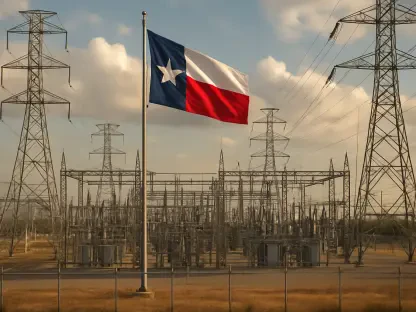
I remember working with a provider that went all-in on solar contracts in Texas. They looked brilliant during the day, with incredibly low supply costs. But then, a summer heatwave hit. As the sun set, solar generation dropped to zero just as everyone got home and cranked up their air conditioning. Grid congestion was high, and real-time prices shot through the roof. They had no dispatchable assets or storage to protect them and took a massive financial hit. It was a painful but powerful lesson: a resilient portfolio must be balanced for the entire 24-hour cycle, not just the sunny hours.
The text highlights differing generational values, like Boomers wanting reliability and Gen-Z demanding climate alignment. How can providers translate these values into concrete product offerings? Please provide a detailed example of a green energy product designed to build trust and loyalty with a specific customer segment.
This is where the strategy shifts from pure procurement to sophisticated marketing and product design. You can’t have a one-size-fits-all approach anymore. For a Boomer who prioritizes reliability, you might offer a “Price-Lock Stability” plan that emphasizes a diversified mix of resources, including dispatchable generation, guaranteeing a stable bill and zero interruptions. The messaging is all about peace of mind.
For a Gen-Z customer, the approach is entirely different. Imagine a product called “Local Power Impact.” This plan wouldn’t just be “100% renewable”; it would source energy specifically from local wind and solar projects within their state. The real innovation would be the digital experience: a mobile app that shows in real-time which project is powering their home, their personal carbon footprint reduction, and how their energy use compares to their community. You could even gamify it, offering rewards for shifting their EV charging to off-peak hours. This isn’t just selling a commodity; it’s offering a transparent, engaging, and value-aligned service that builds a deep sense of trust and partnership.
According to the Energies journal, REPs are shifting from a commodity model to a services and market “orchestration” role. What does this orchestration look like in practice, and what digital infrastructure is essential for aggregating and monetizing distributed energy resources like EVs or home batteries?
Orchestration is the next frontier, and it’s a radical departure from the old model. In practice, it means the REP is no longer just a pipeline for kilowatt-hours. Instead, it becomes a dynamic platform that manages a two-way flow of energy and data between the wholesale market and the customer’s home. For example, the orchestrator’s platform would see that wholesale prices are projected to spike tomorrow afternoon. It would then automatically signal thousands of enrolled home batteries to charge up overnight when power is cheap and then discharge that stored energy back to the grid during the peak, helping stabilize the grid and sharing the revenue with the homeowners. It’s about aggregating all those small, distributed energy resources—EVs, smart thermostats, home batteries—and turning them into a virtual power plant.
To do this, the digital infrastructure is non-negotiable. You need advanced metering to get real-time data, smart grid technologies for two-way communication, and a powerful analytics and AI platform. This platform is the brain; it has to forecast market prices, understand grid conditions, and optimize the behavior of thousands of devices simultaneously, all while ensuring a seamless experience for the customer.
A core message is integrating supply strategy with customer engagement. What organizational changes are needed to break down these traditional silos? Could you describe a process that ensures the composition of a supply mix is communicated transparently and effectively to build customer trust?
This is one of the biggest internal hurdles for many providers. Historically, the procurement team sat in one corner crunching numbers, and the marketing team sat in another creating ad campaigns, and they rarely spoke the same language. To break down these silos, companies need to create integrated strategic teams. Think of a “Portfolio & Product” group where supply traders, risk managers, product developers, and marketing leads all sit at the same table. Their joint mission is to ensure that the portfolio being built can be translated into products that customers actually want and that the marketing promises being made are authentically backed by the supply mix.
For transparent communication, a great process is to issue a quarterly “Energy Mix Report” directly to customers through their app or email. This shouldn’t be a dense regulatory filing. It should be a simple, visually engaging infographic showing, for example, “This quarter, your power came from 45% Texas wind, 30% solar, and 25% natural gas for reliability during peak times.” You then explain why that mix was chosen—to balance affordability, sustainability, and keeping the lights on. That level of honesty and education turns a simple transaction into a relationship built on trust.
What is your forecast for the retail energy market over the next five years? Specifically, which trend—be it DER integration, demand from data centers, or regulatory change—do you believe will most significantly reshape the competitive landscape for providers?
While surging demand from data centers and evolving regulations are both massive forces, my forecast is that the integration of distributed energy resources (DERs) will be the single most transformative trend reshaping the competitive landscape. Demand growth is a volume challenge and regulation sets the rules of the game, but DER integration fundamentally changes the nature of the game itself. It forces the shift from a one-way commodity seller to a two-way market orchestrator.
The providers who win in the next five years will be those who master this orchestration. They will invest heavily in the digital platforms needed to aggregate and monetize customer-sited resources like EVs and batteries. This capability will become their core competitive advantage, allowing them to offer customers more value, greater control, and a direct role in the clean energy transition. Those who fail to make this shift and remain simple commodity resellers will find themselves unable to compete on anything but price—a race to the bottom in an increasingly complex and volatile market. The future isn’t just about supplying energy; it’s about managing it at the grid’s edge.