
With extensive experience in energy management and electricity delivery, Christopher Hailstone joins us to unpack the immense pressures facing the U.S. electric utility industry. As unprecedented demand from technologies like AI collides with soaring infrastructure costs, the sector is navigating a “system-cost stress test” that challenges traditional financial and regulatory models. We’ll explore the friction between ambitious capital plans and the realities of cost recovery, the debate over who should pay for grid upgrades, and why the narrative of skyrocketing electric rates doesn’t tell the whole story.
With AI data centers driving up both electricity demand and the cost of critical grid materials, how does this create a “system-cost stress test” for a utility’s capital planning? Please provide a specific example of the challenges involved in this dynamic.
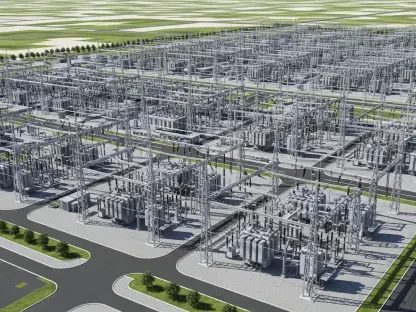
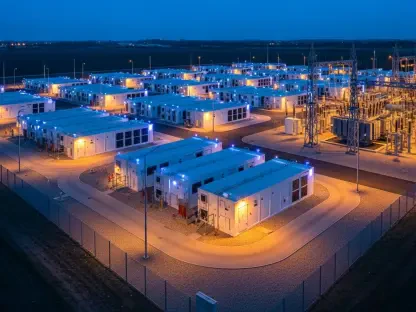
It’s a perfect storm, really. For years, the narrative was simply about meeting growing demand. Now, it’s a two-front battle. AI data centers don’t just consume massive amounts of power; they are built with the exact same metal-intensive materials—copper, steel, aluminum—that we need for transformers, switchgear, and transmission lines. Imagine you’re planning a new substation to serve a data center. Your capital plan is based on historical costs for these components. But by the time you go to procure them, the very entity you’re trying to serve has helped drive up the market price for those same materials. Suddenly, your project costs diverge sharply from your legacy assumptions, creating a real stress test on your ability to finance and execute the project within the budget regulators approved.
Regulatory assessments of utility spending are often based on historical costs. As “structural metal inflation” alters project expenses, what specific friction does this create with regulators, and how can utilities demonstrate that new spending levels are prudent and reasonable?
This is where the rubber meets the road, and it’s a significant source of friction. Regulators are tasked with protecting customers, and their benchmark for what’s “prudent and reasonable” is naturally anchored in what things used to cost. When we present a capital plan where the unit costs for core infrastructure have jumped dramatically due to this structural metal inflation, it raises red flags. It feels like you’re constantly having to justify a new reality. The key is moving beyond just showing invoices. We have to build a compelling case that this isn’t a temporary spike but a sustained shift in the baseline cost of grid infrastructure. This means providing deep market analysis, supply chain documentation, and forward-looking commodity forecasts to prove that these higher costs are not the result of mismanagement but of fundamental market forces.
Beyond inflation, utilities face supply chain bottlenecks and price volatility. Can you walk me through how these factors complicate the timing of major infrastructure projects and increase execution risk, particularly when capital spending outpaces the cadence of rate cases?
The execution risk has become immense. In the past, you could time your major capital outlays to align neatly with your rate case cycle, ensuring a smooth path to cost recovery. Now, that’s almost impossible. A critical transformer might have a lead time that has doubled or tripled, and its price can fluctuate wildly between when you order it and when it’s delivered. This volatility means we might have to spend a significant amount of capital well before our next scheduled rate case. That capital outlay sits on our books, unrecovered, creating a cash-flow drag. This gap, or “regulatory lag,” is a huge concern because it directly impacts our financial health and our ability to fund the next set of critical projects.
There is a push for large customers like data centers to directly fund the grid upgrades they require. What are the key pros and cons of this model for a utility’s long-term financial health, especially concerning its rate-base growth and earnings visibility?
This is a fascinating and complex debate. On the one hand, having a large customer like a data center directly fund the necessary grid assets is a major pro in the short term. It significantly reduces our near-term cash-flow risk and protects other ratepayers from the upfront cost. However, the long-term con is substantial. Our core business model relies on investing in infrastructure, adding it to our regulated rate base, and earning a steady, regulated return on that investment over decades. If these significant assets are funded directly by the customer, they are excluded from our rate base. This constrains our primary engine for long-term earnings growth and visibility, which is what our investors rely on.
Despite concerns about a “super-cycle” of spending, residential rates in most states have remained relatively stable. What specific cost-containment efforts have proven effective in these regions, and what can utilities in high-cost areas learn from their success?
It’s crucial to understand that the story of runaway electric rates is not a national one. The data shows that in 34 states, residential rates have risen less than the national average of 4 cents per kilowatt-hour over the last five years. In a state like Iowa, the increase was a mere 1.2 cents. This stability shows that diligent cost-containment efforts are working. These utilities are often succeeding through a combination of operational efficiency, proactive grid maintenance that avoids catastrophic replacement costs, and diversified energy portfolios that hedge against volatile wholesale power prices. The big lesson for utilities in high-cost areas like California or the Northeast, which are dealing with unique drivers like wildfire mitigation or wholesale market spikes, is that a relentless focus on core operational discipline and prudent financial management can create a powerful buffer against these external pressures.
What is your forecast for the intersection of utility capital investment, regulatory models, and customer affordability over the next five years?
Over the next five years, I foresee an intense period of adaptation and innovation at this intersection. The sheer scale of the needed investment—potentially a $1.4 trillion super-cycle—is undeniable and will force a re-evaluation of traditional regulatory frameworks. We will likely see more states experiment with forward-looking rate mechanisms and performance-based ratemaking to reduce regulatory lag and incentivize efficient investment. The debate around cost allocation for large loads like data centers will intensify, leading to new tariffs and direct-funding models. Ultimately, customer affordability will act as the critical guardrail, forcing utilities and regulators to find a delicate balance between building the grid of the future and ensuring that the lights stay on and the bills remain manageable for everyone.