
The Dawn of a High-Cost Era in Power Generation
The fundamental architecture of the global energy grid is undergoing a radical financial transformation as the cost of gas turbine technology prepares for an unprecedented and sharp ascent. Historically a stable pillar of the power generation industry, gas turbines are now at the center of a severe supply-side crisis that is projected to drive prices toward $600/kW by 2027—a nearly 200% increase compared to pre-2020 levels. This shift signifies the end of a long period of price predictability and suggests that utilities must prepare for a capital-intensive future where generation equipment is no longer a commodity, but a premium asset.
This article explores the convergence of soaring digital demand and profound manufacturing limitations that are reshaping the utility landscape in real-time. By analyzing the current bottlenecks and procurement trends, the following sections provide a comprehensive look at why the “always-on” power market is entering a period of extreme volatility. As the world moves deeper into 2026, industry players are being forced to adapt to a reality where securing hardware is just as difficult as securing the fuel to run it.
Understanding the Foundations of the Current Supply Crunch
To grasp the magnitude of the current crisis, one must look back at the relative stability of the previous decade when procurement was a straightforward affair. For years, the market was characterized by manageable lead times and steady pricing, allowing for long-term planning with minimal risk of sudden cost spikes. However, the rapid transition toward decarbonization, coupled with a sudden reliance on gas as a “bridge fuel” to back up intermittent renewables, has placed immense pressure on a manufacturing base that was never designed for this level of intensity.
These historical shifts have moved the industry from a buyer’s market to a seller’s market, where equipment availability is no longer guaranteed by long-standing relationships alone. Understanding these foundational shifts is essential for recognizing that the current price hike is not a temporary fluctuation but a structural realignment of the energy economy. The industrial capacity that once felt limitless is now being measured against a backdrop of global scarcity and competing interests between traditional power providers and new tech giants.
The Convergence of Surging Demand and Manufacturing Realities
The Role of Data Centers and AI in Driving Load Growth
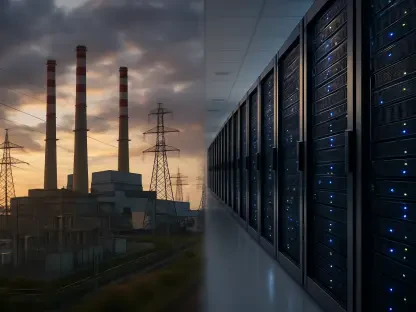
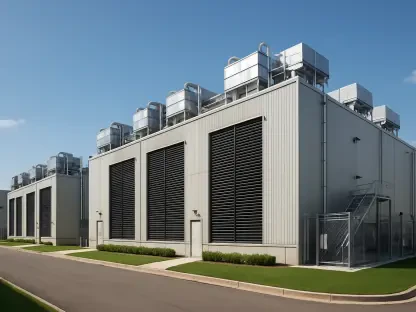
The primary catalyst for the current price surge is the explosive growth of high-load electricity consumers, specifically the massive data centers managed by global hyperscalers. As artificial intelligence and cloud computing become integrated into every facet of the economy, the demand for reliable, 24/7 power has skyrocketed beyond all previous forecasts. Recent projections suggest that data center electricity consumption could double within the next five years, creating a massive vacuum in the power equipment market.
This surge has forced utility companies into a frantic race to secure gas capacity, leading to a massive spike in orders for approximately 63 GW of new equipment scheduled for delivery through 2030. This “peak” in demand is hitting the market just as supply chains are at their most vulnerable, creating a perfect storm for price inflation. When tech giants compete with traditional utilities for the same turbine slots, the resulting price pressure pushes the cost of infrastructure to levels previously thought impossible.
Technical Bottlenecks: The Hot-Section Manufacturing Crisis
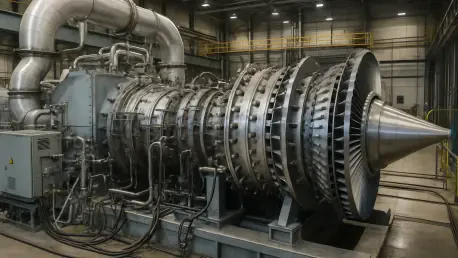
While demand is soaring, the ability to produce these complex machines is hitting a physical ceiling that cannot be overcome by simply adding more capital. The manufacturing of gas turbines, particularly the “hot-section” components, remains one of the most specialized and difficult industrial processes in the entire world. The production of single-crystal blades—components designed to withstand extreme thermal stress—is the primary bottleneck preventing a rapid expansion of supply.
These parts require precise ceramic coatings and rare materials that can only be handled by a handful of global suppliers with the necessary certifications and machinery. Furthermore, a chronic shortage of specialized labor, including high-end engineers and precision technicians, means that Original Equipment Manufacturers (OEMs) cannot simply “ramp up” production to meet the sudden influx of orders. Consequently, even as order books fill up, the actual output of finished turbines remains constrained by the slow throughput of these critical, high-tech components.
Geopolitical Risks: Global Logistics Volatility
The gas turbine supply chain is inherently global, making it highly susceptible to the rising tide of geopolitical instability and regional conflicts. Critical maritime corridors, such as the Strait of Hormuz, serve as vital paths for component transport; any disruption in these regions immediately impacts delivery schedules and sends freight insurance costs soaring. Developers are now forced to contend with fluctuating transport prices that can change significantly during the multi-year manufacturing cycle.
This volatility adds a layer of risk that makes fixed-price contracts increasingly rare in the current environment. Manufacturers are increasingly passing the rising costs of logistics and raw material scarcity down to the end-user to protect their own margins. As a result, a project budgeted today might face significant cost overruns by the time the turbine is ready for shipment, forcing a rethink of project financing and risk management strategies across the utility sector.
Future Trends and Technological Shifts in the Turbine Market
As the industry moves toward 2030, a definitive shift is occurring in how power fleets are designed and deployed. Because the massive components required for large-scale, advanced-class turbines are so difficult to source, many developers are pivoting toward smaller, modular units under 100 MW. These smaller turbines offer shorter lead times and greater operational flexibility, allowing utilities to bring capacity online faster even if they sacrifice some of the traditional economies of scale found in massive combined-cycle plants.
Additionally, the market is expecting to see increased investment in manufacturing automation and alternative material science to bypass current “hot-section” bottlenecks. While these innovations may take several years to mature, they represent the only long-term path toward stabilizing the supply chain. In the interim, the industry is seeing a rise in secondary markets for refurbished equipment as companies look for any available hardware to meet the immediate power requirements of their expanding customer bases.
Strategic Recommendations for Navigating the Equipment Shortage
For utilities and independent power producers, the era of “just-in-time” procurement has officially ended. Success in the current climate requires an “early mover” strategy, involving long-term agreements with OEMs signed years before a project even breaks ground. Businesses should prioritize securing their place in the manufacturing queue and consider diversifying their fleets with smaller units to mitigate the risk of five-year lead times for larger turbines.
Collaborative partnerships between utilities and large industrial consumers, such as data center operators, can also help distribute the financial burden of these high capital expenditures. By sharing the risk and the infrastructure investment, these entities can ensure grid reliability while managing the sticker shock of tripling prices. Moreover, rigorous lifecycle management of existing assets has become more important than ever, as extending the life of current turbines can provide a vital buffer against the current market volatility.
A New Paradigm for Energy Infrastructure
The projected tripling of gas turbine prices marked a turning point for the global energy sector, signaling that the age of cheap generation capacity had passed. The combination of the AI-driven data explosion, intricate manufacturing limitations, and a fragile geopolitical environment ended the period of inexpensive and easily accessible equipment. Stakeholders realized that the ability to navigate complex supply chains and secure long-term industrial partnerships would become the defining factor in operational success for the foreseeable future.
As the industry adapted to these high costs and long wait times, the strategic importance of reliable gas-fired power remained clear, even as the path to securing it became significantly more challenging. Future projects had to account for these massive capital requirements from the outset, leading to a new level of financial scrutiny and innovative procurement models. Ultimately, the crisis forced a necessary evolution in how the world plans and builds its power infrastructure, ensuring that reliability was prioritized even in the face of skyrocketing costs.