
The global metals market operates on a razor-thin margin of error where a single second of latency can cost millions, yet even the most sophisticated systems remain vulnerable to catastrophic digital collapse. When the London Metal Exchange (LME) Select platform—the exchange’s primary electronic trading venue—suffers a major technical failure, the ripple effects are felt instantly across global supply chains. A significant outage, such as the three-hour suspension triggered by a matching engine malfunction, tests the resilience of the world’s oldest metals marketplace. This article explores how the LME navigates these high-stakes disruptions, balancing the need for technical recovery with the necessity of market fairness. By examining the exchange’s decision-making processes, we can gain a clearer understanding of how institutional stability is maintained even when the screens go dark.
The Evolution of Resilience at the London Metal Exchange
The LME’s significance stems from its role as the global center for industrial metal pricing, handling the vast majority of all nonferrous metal futures business. Historically, the exchange relied heavily on the “Ring”—the open-outcry trading floor—but the modern era has seen a massive shift toward LME Select, its electronic backbone. This transition has made the exchange more efficient but also more vulnerable to digital volatility.
Past developments in exchange infrastructure have shown that technical glitches are rarely just IT issues; they are economic events. Understanding the background of these systems helps explain why the LME has developed such rigid emergency protocols to protect the integrity of its benchmark prices. These rules ensure that even during a total system blackout, the fundamental discovery of metal value remains a transparent process for stakeholders worldwide.
Tactical Responses to Systemic Failure
Critical Infrastructure: The Dual Matching Engine Strategy
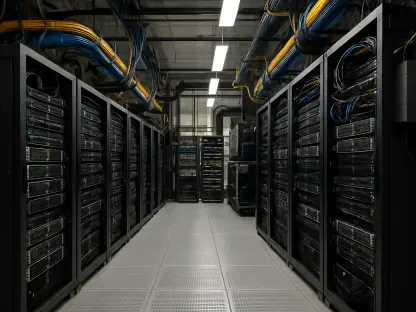
At the heart of the LME’s electronic trading is the matching engine, the software responsible for pairing buy and sell orders. To mitigate the risk of a total shutdown, the exchange utilizes a primary and a secondary backup engine. However, managing a transition between these two is a delicate operation that requires human oversight.
The LME may choose to delay a restart on the backup system even when it is immediately available. This deliberate pause ensures that market participants have sufficient time to reconnect their systems, cancel stale orders, and re-enter the market on equal footing. Such a strategy prevents “predatory” advantages that could occur during a disorganized reboot, ensuring that high-frequency traders do not exploit slower participants during the recovery phase.
The Declaration: Disruption Events and Price Discovery Protocols
One of the most critical challenges during an outage is the protection of the pricing window, particularly the period when closing prices are determined. If a technical failure hinders the ability of traders to hedge effectively, the LME can officially declare a “Disruption Event.” This trigger allows the exchange to implement contingency “backup Closing Prices” protocols.
By using alternative data points and established methodologies, the LME can publish official prices for copper, aluminum, nickel, and other metals at their regularly scheduled times. This ensures that global contracts tied to these benchmarks can still settle accurately despite the electronic silence. This protocol serves as a vital safety net for the physical metals industry, which relies on these daily prints for physical delivery contracts.
Redundancy Layers: The Interoffice Market as a Vital Backstop
Unlike many modern exchanges that are purely electronic, the LME maintains a unique hybrid structure. During an electronic shutdown, the interoffice market—where trades are conducted via telephone or private platforms—often remains fully operational. This provides a continuous alternative for trade execution, acting as a manual redundancy layer that prevents a total market freeze.
While data feeds on major financial platforms may stop updating during an outage, the interoffice market ensures that liquidity remains accessible for those with the necessary infrastructure. This highlights the importance of diversified trading methods in professional commodities markets, proving that human-to-human interaction still provides a necessary floor for global commerce when digital systems fail.
The Future of Exchange Stability and Digital Redundancy
As the industry moves toward 2027 and beyond, the LME and other global exchanges are increasingly looking toward cloud-based architectures and AI-driven monitoring to predict failures before they occur. Emerging trends suggest a shift toward “zero-downtime” targets, where the transition to secondary systems happens almost instantaneously without requiring manual intervention or market pauses.
Additionally, regulatory shifts are placing more pressure on exchanges to prove their operational resilience through rigorous stress testing. These technological and economic changes will likely lead to even more robust disaster recovery frameworks. The goal is to create a self-healing market environment where the impact of a hardware failure is neutralized before it can disrupt global metal flows.
Strategic Takeaways: Navigating Market Disruptions
For traders, brokers, and industrial consumers, several best practices emerge from analyzing the LME’s management of outages. Market participants should never rely on a single data feed or execution venue; having access to the interoffice market provides a necessary “Plan B” when electronic systems fail. Diversification of access is the only true defense against technical volatility.
Furthermore, it is essential to understand an exchange’s “Disruption Event” clauses in their rulebooks, as these dictate how benchmarks will be set during crises. Firms should maintain internal protocols that allow for rapid reconnection and order re-entry to ensure they are not left behind when the market eventually restarts on a secondary engine. Awareness of these rules transforms a chaotic event into a manageable operational hurdle.
Securing Market Integrity in an Age of Complexity
The management of major electronic trading outages required a delicate balance between rapid technological recovery and the preservation of market equity. The LME’s reliance on dual matching engines, disruption protocols, and the interoffice market demonstrated a multifaceted approach to maintaining stability. While technical failures remained an inherent risk in a digital world, the exchange’s ability to provide price transparency through established contingency plans stayed a cornerstone of its global reputation.
Moving forward, firms realized that the resilience of the metals market depended not just on the strength of its software, but on the clarity and effectiveness of its emergency procedures. Investors began prioritizing exchanges that demonstrated superior operational transparency, while regulators pushed for more standardized failover timeframes across all commodity classes. Ultimately, the successful navigation of these disruptions reinforced the idea that human oversight and manual redundancy remained essential partners to electronic efficiency.