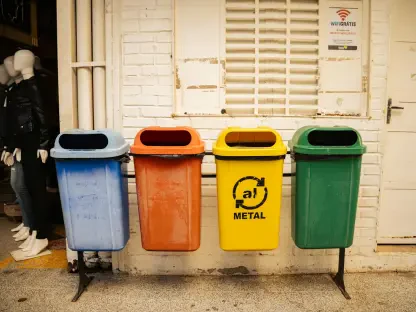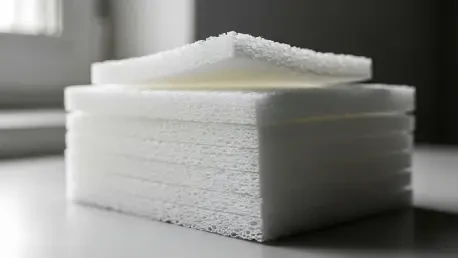

The immense challenge of recycling expanded polystyrene foam, known for its bulky yet lightweight composition that makes it notoriously difficult and expensive to process, has long plagued municipal waste management systems. A groundbreaking initiative in southeast Nebraska is now tackling this persistent environmental issue head-on, promising to divert a significant volume of foam from regional landfills and transform it into valuable new materials. Through two substantial $25,000 grants awarded by the Foodservice Packaging Institute’s Foam Recycling Coalition, a pair of key entities are poised to revolutionize the area’s recycling landscape for over 400,000 residents. The recipients, First Star Recycling in Omaha and the City of Lincoln’s Solid Waste Management division, have strategically invested these funds in foam densifiers. These specialized machines are the linchpin of the new programs, as they directly address the primary obstacle in foam recycling: logistics. By compressing items like take-out containers, cups, and protective packaging into dense, manageable blocks, the densifiers dramatically reduce the material’s volume, making transportation to end-markets both economically viable and efficient.
Innovative Solutions for Urban Recycling
The implementation of these new foam recycling capabilities showcases two distinct yet highly effective models tailored to meet diverse community needs across southeast Nebraska. First Star Recycling, a major Material Recovery Facility (MRF) that serves Omaha, Lincoln, and surrounding areas, has seamlessly integrated its new densifier with the established Hefty ReNew program. This partnership provides residents with exceptional convenience, allowing them to place foam and other hard-to-recycle plastics into specially marked orange bags for regular curbside pickup. The public’s response has been overwhelmingly positive, as First Star CEO Patrick Leahy noted that foam already constitutes 10% of all materials recovered through the orange bags, a clear indicator of strong demand for such a service. In contrast, the City of Lincoln has opted for a centralized approach by establishing a dedicated public drop-off point at its North 48th Street recycling site. Equipped with a Foam Cycle system, this location offers a vital recycling avenue for all residents, particularly those without access to specialized curbside programs. According to Lincoln’s waste diversion coordinator, Willa DiCostanzo, this accessible drop-off not only expands recycling opportunities but also streamlines logistics, reduces municipal transportation costs, and fosters a more resilient local circular economy.
A Model for a Circular Economy
These Nebraskan initiatives represented a significant advancement in a broader, sustained effort to integrate foam into the recycling stream across North America. The grants were part of a long-standing program by the Foam Recycling Coalition, which, since its inception in 2015, had awarded 40 grants that successfully extended foam recycling access to over 15 million new residents in the United States and Canada. The core technology, the foam densifier, proved to be the pivotal link in making these programs successful. By compacting the voluminous material, the machines created a marketable commodity that could be shipped efficiently to processors. This transformation was crucial for creating a sustainable end-market where the recycled polystyrene was not merely discarded but given a second life. The dense, solid blocks of compacted foam were processed and repurposed into a variety of durable goods, including high-demand products like rigid insulation boards for construction and long-lasting plastic lumber. This process effectively closed the loop on foam waste, demonstrating a tangible and scalable model for a circular economy where materials once destined for a landfill became valuable resources for new manufacturing.