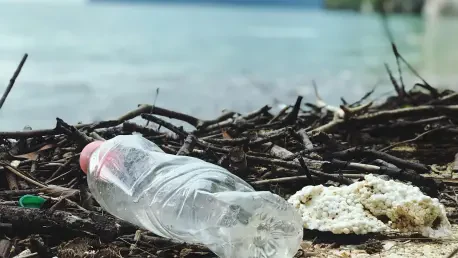

Samoa has embarked on a transformative journey to redefine its relationship with waste, moving decisively beyond traditional disposal methods to champion a comprehensive circular economy. This ambitious national strategy is a direct response to the escalating pressures of the “triple planetary crises,” aiming to fundamentally reshape how resources are produced, consumed, and valued. Central to this vision is the recent inauguration of the Tafa’igata Waste Management Education Center, a pioneering institution established to weave the principles of sustainability into the very fabric of Samoan society and serve as a model of environmental stewardship for the entire Pacific region. It represents more than just a new building; it is the physical manifestation of a renewed national commitment to creating a cleaner, healthier, and more resilient future through informed action and community empowerment. This initiative signals a paradigm shift from reactive waste management to a proactive, holistic system of resource conservation.
A Foundation of Education and Collaboration
The Tafa’igata Waste Management Education Center stands as the crucial cornerstone of Samoa’s forward-thinking environmental strategy, meticulously designed to catalyze a nationwide cultural shift toward sustainability. As the first facility of its kind in the nation, its core purpose is to function as a dynamic hub for public education, specialized training, and widespread community engagement. The Honorable Ale Vena Ale, the newly appointed Minister for the Ministry of Natural Resources and Environment (MNRE), articulated a clear and inclusive vision for the facility, describing it as a vital resource where schools, youth organizations, church groups, and entire communities can gain practical knowledge on proper waste practices, marine litter prevention, and the importance of responsible consumption and recycling. This grassroots approach is intended to embed sustainable habits across every segment of Samoan society, empowering citizens with the knowledge and tools needed to become active participants in the nation’s transition to a circular economy and fostering a generation of environmentally conscious leaders.
This landmark project was brought to fruition through a powerful synergy of local leadership and robust international partnership, demonstrating a shared global commitment to addressing environmental challenges in the Pacific. While the center’s construction and management fall under the purview of the MNRE’s Waste Management and Pollution Control Division, its existence was made possible by the Sustainable Waste Actions in the Pacific (SWAP) Project. This significant regional initiative is financed by the French Development Agency (AFD) and receives critical support from the Secretariat of the Pacific Regional Environment Programme (SPREP). The official inauguration ceremony was a testament to this tripartite cooperation, with France’s Ambassador to Samoa, His Excellency Guillaume Lemoine, and SPREP Director General, Mr. Sefanaia Nawadra, joining Minister Ale. Ambassador Lemoine reaffirmed France’s role as a dedicated partner in the Pacific, emphasizing that the center is a key component of the broader SWAP project, which aims to promote cost-effective and sustainable waste management solutions throughout the region and beyond.
Putting the Circular Economy into Practice
The philosophical underpinnings of the new center are deeply rooted in the principles of a circular economy, an innovative model that seeks to eliminate waste by creating a closed-loop system where resources are perpetually reused, repaired, and repurposed. SPREP Director General Sefanaia Nawadra elaborated on this approach, explaining that the ultimate goal extends far beyond merely managing refuse. It involves a fundamental transformation in how materials are produced, consumed, and valued. The benefits of this holistic system are twofold, addressing both environmental and economic imperatives. On one hand, it directly protects fragile ecosystems by alleviating pressure on landfills and reducing pollution. On the other, it simultaneously stimulates economic growth by fostering local industries that thrive on resource recovery. This model champions the creation of green jobs, strengthens the capacity of small enterprises, and supports community-based economic development, presenting an integrated solution to complex environmental and social challenges.
During the center’s launch, the MNRE provided a compelling demonstration of its commitment to “walking the talk” by integrating circular principles directly into the event itself. This practical application served to translate abstract concepts into tangible actions. An inspiring art exhibition presented by the Tiapapata Art Center showcased creative reuse, while guests received notebooks produced locally from recycled paper, illustrating how recycling can catalyze skill development and support local industry. In a direct and culturally resonant move to combat plastic pollution, single-use food containers were completely replaced with traditional Ma’ilo (woven coconut frond plates) and intricately woven baskets supplied by the Tanoalei‘a Community. These actions were not presented as isolated gestures but as integral components of a wider national strategy, which includes the development of a draft Plastic Free Policy intended for all Ministry-led events, solidifying the government’s commitment to leading by example.
A Blueprint for National and Regional Leadership
The successful inauguration of the Tafa’igata Waste Management Education Center was a landmark event that strategically positioned Samoa as an emerging leader in environmental education and sustainable policy within the Pacific. The day cohesively linked high-level strategic discussions with practical, on-the-ground applications of circular economy principles. The official ribbon-cutting and keynote speeches effectively laid out the philosophical and strategic importance of the center, framing it as a vital tool in building national resilience. These formalities were followed by exhibitions that provided a comprehensive overview of Samoa’s existing waste management infrastructure, from solid landfill operations to the safe management of hazardous chemicals. The event culminated in a site visit to the Tafa’igata Landfill, offering attendees a full-circle perspective of the waste management cycle. This integrated approach showcased a well-orchestrated and forward-thinking national environmental program that had been meticulously planned.
By blending educational infrastructure, proactive policy development, and tangible community action, Samoa created a powerful and replicable blueprint for sustainable development. The launch event served as more than just a ceremony; it was a comprehensive showcase of a national vision brought to life through effective collaboration between governmental, regional, and international partners. The tangible demonstrations, such as using traditional, eco-friendly materials and promoting locally made recycled products, reinforced the core message that sustainability and cultural heritage can be mutually reinforcing. This holistic framework, which connects public awareness campaigns with the operational realities of waste management, established a clear and inspiring path forward. In doing so, Samoa not only advanced its own environmental goals but also provided a robust and adaptable model for other island nations navigating similar challenges in their pursuit of a resilient and prosperous future.