
As urban centers grapple with the dual challenges of population growth and environmental responsibility, the effectiveness of their waste management systems comes under intense scrutiny, prompting municipalities to seek innovative solutions. In a significant move to address this, the municipality of San Bartolomé de Tirajana has embarked on a large-scale modernization of its selective waste collection service through a new partnership with Ayagaures Medioambiente SLU. This comprehensive initiative, centered around the strategic deployment of new yellow and blue recycling containers, aims not only to streamline waste management but also to enhance the urban landscape and foster a deeper culture of sustainability among residents and visitors alike. The project represents a proactive effort to replace an outdated system with one that is better equipped to handle the demands of a modern, environmentally conscious community, setting a new standard for municipal services and public cleanliness. This transformation is designed to make recycling more accessible, efficient, and visually integrated into the community’s daily life.
A Strategic Overhaul of Recycling Infrastructure
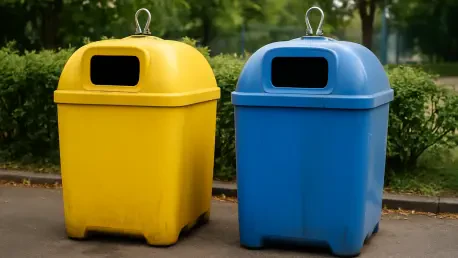
The core of this transformative project lies in a meticulous and phased rollout of advanced recycling infrastructure across the municipality. The installation of new, modern containers has already reached completion in a diverse range of residential, commercial, and tourist-heavy areas, including Bellavista, San Fernando de Maspalomas, El Tablero, Sonneland, and Pasito Blanco. This initial phase targeted zones with varied waste management needs to test and refine the deployment process. The initiative is now progressing through major hubs like Playa del Inglés, with a clear schedule for expansion into remaining neighborhoods such as El Pajar, Cercados de Espino, Castillo del Romeral, and Juan Grande. To ensure a seamless and disruption-free transition for the public, the new blue and yellow bins are being strategically placed alongside the old units. This parallel system will remain in place temporarily, allowing residents to adapt to the new locations and designs before the outdated containers are systematically removed upon the completion of the changeover in each specific zone.
The scale of this upgrade is substantial, representing a direct and powerful response to years of operating with an insufficient and antiquated system. The Department of Cleaning is overseeing the replacement of the existing 380 containers with a total of 560 new units, evenly divided into 280 yellow containers for light packaging and 280 blue containers for paper and cardboard. This expansion translates to a remarkable 47.37% increase in overall collection capacity, a crucial improvement that will significantly enhance service coverage and reliability throughout the municipality. This much-needed investment addresses the shortcomings of a system that had been functioning under a contract that expired in 2019 and was based on operational parameters established back in 2010. The decision to invest is strongly supported by the community’s evolving habits, as recycling rates have surged from just 7.1 kilos per person annually in 2010 to a current average of 27.9 kilos, demonstrating a clear and growing public commitment to sustainability.
A Pivotal Investment in a Cleaner Future
Underpinning this entire initiative is a significant long-term financial commitment that solidifies the municipality’s dedication to environmental stewardship. The project is backed by a robust contract valued at €4,873,250.26, which is set to run until 2028. This agreement provides the stability and resources necessary for Ayagaures Medioambiente SLU to not only install the new infrastructure but also to maintain and manage it effectively over the coming years. This investment marks a definitive break from the past, where waste management operated on an expired contract and relied on a framework that was no longer adequate for the municipality’s size or its residents’ recycling efforts. By securing a multi-year partnership, local authorities have established a more efficient and responsive model that aligns with current population needs and future growth projections, ensuring that the local recycling program is both sustainable and adaptable. This financial foresight is essential for building a resilient waste management system capable of meeting modern challenges.
The project has been heralded by government officials as a landmark achievement in the ongoing effort to transform the municipality’s public services and image. Both First Deputy Mayor Alejandro Marichal and Councilor for Cleaning Ruyman Cardoso have publicly described the new contract and the deployment of the containers as a “milestone” for local waste management. They emphasize that the expanded and more logically distributed network of bins will address several long-standing issues. It will bring convenient recycling options closer to residents in more distant or previously underserved neighborhoods, better accommodate the high volume of waste generated in bustling commercial zones, and alleviate the common problem of overflowing containers that detracts from the urban aesthetic. The overarching objectives are clear: to improve the quality of life for all residents, advance municipal sustainability goals, and cultivate a public space that reflects a commitment to cleanliness. While officials acknowledge that this is a decisive first step, they stress that more work remains to achieve a comprehensive enhancement of local sanitation services.
A Foundation for Lasting Environmental Change
The successful rollout of the new recycling bins marked a pivotal moment for the municipality, laying a tangible foundation for a more sustainable future. This initiative was more than a simple replacement of old equipment; it represented a fundamental shift in the local approach to waste management, demonstrating a commitment that resonated with the community. The increased capacity and wider distribution immediately addressed practical issues like overflowing containers and made recycling more accessible for thousands of residents. This infrastructural upgrade paved the way for broader conversations about environmental responsibility and empowered the Department of Sanitation to encourage citizens to fully utilize the new system. The emphasis swiftly turned to proper usage and the importance of directing other types of waste to designated recycling centers, fostering a more holistic view of waste disposal that went beyond curbside collection. The project ultimately served as a catalyst, proving that strategic investment in public services could yield immediate improvements while promoting long-term behavioral change.