
The global landscape of plastic manufacturing is currently undergoing a radical shift as regulatory pressures and environmental mandates force industries to transition from traditional linear models toward a truly circular economy. This evolution is particularly evident in the European market, where the demand for high-quality recycled materials has outpaced the existing supply of high-purity resins. PureCycle Technologies Inc., based in Orlando, Florida, is positioning itself at the forefront of this transformation by securing a 40-million-euro grant from the European Climate, Infrastructure and Environment Executive Agency. This financial injection, provided through the prestigious Innovation Fund, serves as a cornerstone for the company’s expansion into the heart of Europe’s industrial corridor. By integrating advanced solvent-based recycling techniques, the organization aims to bridge the gap between waste management and industrial production, setting a new benchmark for how polymers are recovered and reused in high-performance applications across the continent.
Strategic Expansion: Establishing the Antwerp Hub
The ASTRA PP Initiative: Engineering a Circular Future
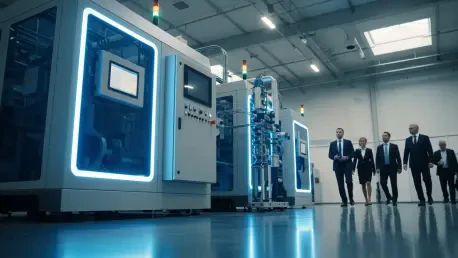
The implementation of the ASTRA PP project, which stands for Advanced Solvent-based Technology for Recycling in Antwerp for Polypropylene, marks a decisive step in the industrialization of chemical recycling. Located within the NextGen District at the Port of Antwerp-Bruges, this facility is designed to become a central node for plastic recovery in Western Europe. Once the site reaches full operational capacity, it is expected to produce approximately 59,000 tons of the proprietary “PureFive” resin every year. This output is significant because it provides a direct alternative to virgin polypropylene, which is typically derived from fossil fuels. The choice of Antwerp as a location is no coincidence; the port provides unparalleled logistics access to both feedstock suppliers and major manufacturing clients. By situating the plant in a dedicated circular economy hub, the company ensures that the infrastructure supports a closed-loop system where waste can be efficiently diverted from landfills and incineration.
This massive undertaking serves as an industrial-scale validation of a proprietary dissolution technology that has long been touted as a solution for difficult-to-recycle plastics. CEO Dustin Olson highlighted that the EU grant acts as a critical endorsement of the technical and economic viability of this process. For years, the industry struggled to remove contaminants, odors, and colors from post-consumer polypropylene, often resulting in “downcycled” products of lower value. However, the solvent-based purification process used in this project removes these impurities at a molecular level, resulting in a resin that meets the stringent quality standards required by consumer brands. This capability is essential for scaling the technology beyond pilot phases and into the global marketplace. As brands face mounting pressure to incorporate sustainable materials without sacrificing product integrity, the ability to deliver high-quality recycled polymers at this scale becomes a significant competitive advantage.
Regulatory Alignment: Meeting the European Mandate
The timing of this investment coincides with a period of unprecedented regulatory activity within the European Union regarding plastic waste and sustainability. The European Green Deal and the Circular Economy Action Plan have introduced rigorous requirements that manufacturers must navigate to maintain market access. Specifically, the Packaging & Packaging Waste Regulation and the End-of-Life Vehicles Regulation have set ambitious targets for recycled content in new products. PureCycle’s Belgian operations are strategically designed to help automotive and packaging companies meet these quotas by providing a reliable source of ultra-pure recycled polypropylene. Without such advanced recycling facilities, many manufacturers would find it nearly impossible to comply with the mandated levels of circularity, potentially facing heavy fines or market restrictions. This project therefore serves as a vital infrastructure component for the broader European industrial ecosystem.
Environmental efficiency remains a primary driver for the selection of this project by the Innovation Fund, as it aligns perfectly with the Clean Industrial Deal. According to the specific calculation methodology employed by the agency, the ASTRA PP facility is projected to avoid 85 percent of the greenhouse gas emissions typically associated with conventional polypropylene production. This reduction is achieved by bypassing the energy-intensive processes required to extract and refine petroleum for virgin plastic. Furthermore, the dissolution process is inherently more efficient than traditional mechanical recycling for certain waste streams, as it can handle complex feedstocks that would otherwise be rejected. By significantly lowering the carbon footprint of the manufacturing sector, the project contributes directly to the decarbonization goals of the region. This environmental performance is not merely a secondary benefit but a core requirement for securing high-level public funding in today’s climate-conscious economy.
Economic Viability: Navigating Industrial Challenges
Financial Integration: Leveraging Public and Regional Support
The 40-million-euro grant is part of a much larger 2.7 billion euro initiative by the European Union to support over 50 net-zero technology projects across the continent. This broad financial commitment illustrates the strategic importance that the EU places on home-grown green technologies to ensure long-term industrial sovereignty. For PureCycle, this funding is more than just a capital boost; it is a catalyst that attracts further investment and regional cooperation. The company is currently engaged in active negotiations with officials from the Flanders region to secure supplemental funding that would further de-risk the Belgian operations. This layered approach to financing, involving both continental and regional authorities, demonstrates a robust public-private partnership model. Such collaboration is essential for building the complex infrastructure needed to transition from a carbon-heavy industrial base to a more sustainable and resilient economic framework.
While the company has navigated various financial hurdles, including a reported net loss in 2025, the commitment to the Antwerp project remains steadfast. The capital-intensive nature of advanced recycling technology often requires a long-term view that prioritizes future market share and regulatory compliance over immediate quarterly returns. By securing the EU grant, the firm has demonstrated that its business model is robust enough to meet the stringent due diligence requirements of international climate agencies. This success provides a level of financial stability that allows the organization to continue its international expansion despite the volatility of the global economy. The ability to maintain momentum in such a challenging environment is a testament to the perceived value of the technology. As the facility moves toward its operational phase, the focus will shift from securing capital to optimizing production and establishing long-term supply contracts with major industrial players.
Market Impact: Reshaping the Polypropylene Supply Chain
The introduction of 130 million pounds of recycled polypropylene into the European market is set to disrupt traditional supply chains and force a re-evaluation of material sourcing strategies. Manufacturers in the consumer goods, medical, and automotive sectors are increasingly looking for ways to decouple their growth from fossil fuel consumption. The availability of high-purity recycled resin allows these companies to fulfill their sustainability pledges while maintaining the performance characteristics of their products. This shift is expected to create a “pull” effect in the market, where the demand for recycled feedstock drives improvements in collection and sorting infrastructure across the region. As the ASTRA PP project demonstrates its ability to process diverse waste streams, it will likely encourage other players in the value chain to invest in the technologies necessary to provide high-quality input materials, further strengthening the circular economy.
Ultimately, the successful deployment of this facility in the Port of Antwerp-Bruges established a definitive roadmap for future industrial recycling ventures. The project successfully navigated the complex intersection of technological innovation, environmental regulation, and financial strategy to create a viable path forward for the plastic industry. Stakeholders recognized that the integration of advanced solvent-based recycling into existing industrial hubs provided the most efficient way to scale circularity while simultaneously lowering the carbon footprint of the manufacturing sector. Moving forward, the industry took these lessons and applied them to broader material categories, ensuring that the principles of the European Green Deal were translated into concrete industrial reality. This proactive approach allowed the company to secure a dominant position in the emerging green economy, providing a clear blueprint for how technology firms could leverage public policy to drive significant environmental and economic change.