
The ubiquitous plastic cup, a staple of daily life from coffee shops to stadiums, has long represented a frustrating gap in the journey toward a circular economy, but a landmark shift in recycling accessibility is now rewriting that narrative. This breakthrough—the reclassification of polypropylene cups as “Widely Recyclable”—is more than just a label change; it signifies a pivotal moment for the U.S. recycling system, born from years of strategic investment and unprecedented collaboration. This analysis will explore the recent recycling designation that cleared a path for nationwide access, delve into the powerful partnerships and technological advancements that made it possible, and chart the course for what this development means for the future of plastics recycling.
The Tipping Point: PP Cups Achieve Widely Recyclable Status
Redefining Recyclability: From Check Locally to Nationwide Access
The central development catalyzing this trend is the decision by How2Recycle, a prominent standardized labeling program, to upgrade polypropylene (PP) cups to its “Widely Recyclable” category. This move is not arbitrary but is based on a rigorous statistical benchmark: at least 60% of American households now have access to recycling programs that accept these common plastic items. This marks a significant departure from the previous “Check Locally” designation, which placed the burden of research on consumers and often resulted in these materials ending up in landfills.
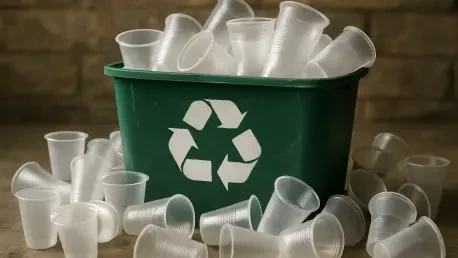
This new status specifically applies to clear and colored High-Density Polyethylene (HDPE) and polypropylene beverage cups, as well as other PP containers with a volume of four fluid ounces or more. This clarity empowers brands to adopt the updated label on their packaging, signaling a clear green light for consumers to place these items in their recycling bins with confidence. While smaller or shallower cups currently remain under the old designation, this initial step covers a vast and highly visible segment of single-use plastics.
The Tangible Impact on Consumers and Recycling Infrastructure
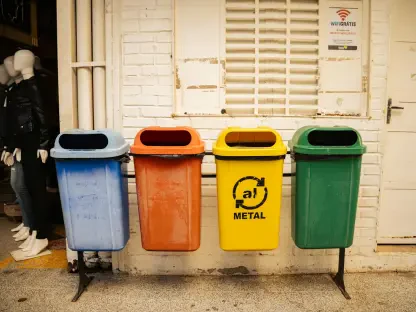
The transition to a “Widely Recyclable” label has profound real-world implications, primarily by dismantling a major barrier to effective recycling: consumer confusion. The simple, direct instruction removes ambiguity and fosters public trust that the items placed in a recycling bin will be properly managed. This increased confidence is crucial for driving participation rates and improving the quality of the recycling stream by reducing contamination from non-recyclable items.
Moreover, this achievement serves as a powerful indicator of the growing sophistication and capability of the national recycling infrastructure. It demonstrates that the system is evolving to handle more complex material streams, driven by targeted investments in sorting technology and the establishment of reliable end markets. The label change is not just a message to consumers but also a signal to the industry that a circular pathway for PP cups is now a viable and scalable reality.
The Power of Partnership: A Blueprint for Success
Infrastructure Investment and Technological Advancement
This recycling milestone was not achieved by chance but through the deliberate and substantial efforts of key industry players. Waste management leader WM played a critical role by investing heavily in its material recovery facilities (MRFs). These investments focused on advanced automation and optical sorting technologies that can accurately identify and separate PP cups from a mixed stream of recyclables, a task that was previously a significant technical hurdle.
The impact of these upgrades has been dramatic. Since 2019, WM has reported a 150% increase in the total volume of PP it recycles, a testament to the efficacy of the new technology. Building on this capability, the company took the foundational step of adding PP cups to its universal list of accepted materials for all its residential customers. This move single-handedly expanded recycling access for millions of households and created the supply scale necessary to support a circular system.
Securing the Supply Chain: From Collection to New Products
A successful recycling program requires more than just collection and sorting; it demands a complete and reliable supply chain. This is where a multi-stakeholder collaboration proved essential, with organizations like the NextGen Consortium, The Recycling Partnership, Starbucks, and WM working in concert. Together, they addressed every link in the chain, from funding infrastructure improvements to securing commitments from end users of the recycled material.
A critical piece of this puzzle was the establishment of stable end markets. The partnership between WM and KW Plastics, a reprocessor specializing in challenging materials, created a guaranteed destination for the sorted PP cups. KW Plastics transforms the reclaimed plastic into high-quality pellets that manufacturers can use to create new products, closing the loop. This economic certainty incentivized more communities and MRFs to join the effort. As Starbucks’ Chief Sustainability Officer, Marika McCauley Sine, noted, this corporate commitment reflects a broader drive toward ambitious 2030 goals, including making all customer packaging reusable, recyclable, or compostable.
Charting the Course Forward: What Lies Ahead
Expanding Access and Enhancing Education
With the 60% access threshold now met, the immediate focus shifts to capitalizing on this momentum. The primary next step involves a concerted public education campaign. How2Recycle and its partners are committed to raising consumer awareness about the new recyclability of PP cups to ensure this hard-won access translates into correct recycling behavior. Informing the public is key to maximizing collection rates and ensuring a clean supply of material for reprocessing.
Simultaneously, the work to expand access continues. The coalition behind this success remains dedicated to pushing beyond the 60% benchmark and addressing the remaining barriers in communities that do not yet accept PP cups. The goal is to make PP cup recycling truly universal, eliminating the last pockets of the country where these items are destined for the landfill.
Broader Implications for the Circular Economy
The successful reclassification of PP cups serves as a powerful blueprint for other common packaging items currently considered hard to recycle. This achievement demonstrates that with focused collaboration, technological investment, and end-market development, circular solutions are attainable for a wider range of materials. It builds critical momentum and provides a clear case study for tackling other problematic plastics.
In the long term, this success is expected to create a ripple effect across the recycling industry. As more MRFs see the economic and operational viability of processing PP cups, they will be encouraged to upgrade their facilities and expand their accepted materials lists. This organic growth will contribute to building a more resilient, efficient, and comprehensive national recycling system, moving the entire country closer to a true circular economy for plastics.
Conclusion: A New Chapter in Plastics Recycling
The landmark upgrade of polypropylene cups to “Widely Recyclable” marked a definitive turning point. It was the culmination of industry-wide collaboration that successfully fused infrastructure investment, technological innovation, and strategic end-market development into a functional, scalable system. This success was not merely a technical adjustment but a tangible victory that simplified recycling for millions and demonstrated the power of a unified approach. The momentum generated from this achievement has provided a clear and replicable model, inspiring confidence that similar circular solutions can be built for other materials and paving the way for a more robust and effective recycling landscape across the nation.