
The Looming Challenge of Modernizing Britain’s Aging Utility Networks
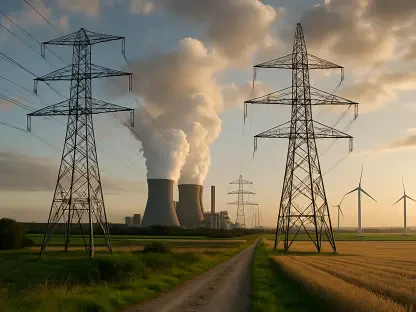
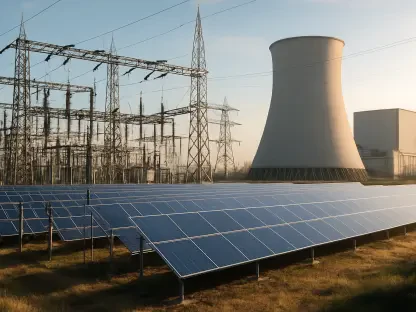
The historical architecture of the United Kingdom currently grapples with the relentless surge of a modern digital economy that demands more than the aging grid was ever designed to provide, creating a bottleneck for progress. As the nation attempts to pivot toward renewable energy, the friction between ambitious climate targets and physical infrastructure limitations has become a central economic concern. This strain on energy and water represents a fundamental threat to national growth rather than a mere technical glitch.
Decoupling Growth from Gridlock: The Complexities of Supply and Demand
Clearing the Pipeline: The Evolution of National Energy System Operator Strategies
The National Energy System Operator has achieved a breakthrough by issuing firm connection offers for 2026 and 2027, signaling a move toward proactive management. This progress highlights a transition from a first-come, first-served model to one that prioritizes projects ready to contribute to the nation’s capacity. Critics maintain that consistent political willpower is required to overcome engineering hurdles.
The Twin Threat of Data Expansion: Addressing the Thirst for Power and Water
The surge in demand-side pressure from data centers presents a daunting challenge to existing systems. These facilities are intensive consumers of both electricity for processing and water for cooling, creating a dual threat in high-density regions. Infrastructure planning is currently struggling to keep pace with this digital expansion, risking a scenario where tech-driven gains are hindered by resource shortages.
Breaking the Four-Decade Drought: The Urgency for New Water Storage Solutions
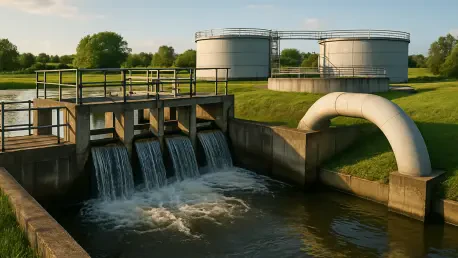
Water infrastructure has faced a significant investment gap, with no new major reservoirs built in forty years despite population growth. This stagnation has led to a precarious balance that threatens both domestic use and industrial expansion. Analysts warn that without immediate large-scale construction, a water crunch could soon mirror the energy crisis if traditional planning cycles are not shortened.
Beyond Domestic Borders: Learning from International Success in Infrastructure Speed
To overcome domestic inertia, the UK might look toward international models that have successfully accelerated delivery through streamlined regulation. Integrating energy and water planning offers a blueprint for necessary systemic reform. Disruptive innovations in construction and cross-sector collaboration could provide the fast-track required to modernize these vital networks and ensure long-term stability.
Strategic Blueprints for a Resilient and Integrated Utility Network
Utility providers must shift toward an integrated resource distribution model that treats water and energy as a single cohesive system. Implementing readiness-based criteria ensures that vital projects move to the front of the line immediately. Industry leaders suggest that prioritizing demand-side flexibility will allow large users like data centers to operate more harmoniously within the existing limits of the national grid.
Adapting to a New Era of Integrated Resource Distribution
The pressure on these sectors necessitated a systemic overhaul of how the nation managed its most vital assets. Moving beyond simple generation, the focus turned toward the intricate task of distributing limited resources through unified reform. Policy adjustments and modular construction techniques provided the essential foundation for supporting the next generation of economic growth.