
The decision for a major utility to overhaul its market strategy rarely comes down to a single factor, but for NV Energy, a projected $93.1 million in annual savings makes the choice remarkably clear. This transition signals a departure from the historical isolation of state-level grids, favoring a more integrated approach that prioritizes financial stability and operational flexibility. By committing to the California Independent System Operator’s (CAISO) Extended Day-Ahead Market (EDAM), Nevada is positioning itself as a cornerstone of the modern Western power grid.
This strategic pivot, scheduled for completion in 2028, addresses the mounting complexities of balancing high renewable energy targets with the need for constant, affordable reliability. The Nevada Public Utilities Commission’s (PUC) approval for NV Energy to join EDAM signifies a proactive response to these trends, ensuring that the state remains at the forefront of grid modernization while securing its energy future against fluctuating market costs. As the region moves toward deeper cooperation, Nevada’s role is shifting from a self-contained provider to a primary gateway for Western power flows.
A Landmark Shift in the Western Power Grid
The move toward regionalization represents a fundamental change in how electricity is bought, sold, and moved across the Western United States. Historically, utilities in the West have operated as “islands,” often sharing power only during emergencies or through manual, less efficient processes. This fragmented system frequently led to missed opportunities for cost savings and left states vulnerable to localized weather events or supply shortages.
As the demand for carbon-free energy grows and the climate becomes more volatile, the need for a more integrated grid has become a critical priority for regulators and providers alike. By joining the EDAM framework, NV Energy transitions into a sophisticated, regional approach to energy management that optimizes resource use 24 hours in advance. This foresight allows the utility to prepare for fluctuations in solar and wind production with much greater precision than traditional hourly markets permit.
The Evolution of Regional Energy Cooperation
The integration of NV Energy into the CAISO market marks a milestone in the long-term trend of Western utilities seeking strength through numbers. In previous decades, coordination was often limited to bilateral trades between individual companies, a process that was slow and lacked transparency. However, the success of the Western Energy Imbalance Market (WEIM) laid the groundwork for this deeper day-ahead commitment, proving that real-time cooperation could lower costs and reduce carbon emissions.
Nevada’s move reflects a broader industry consensus that a unified market is the most effective way to manage the intermittent nature of renewable resources. By pooling assets with neighbors, NV Energy can draw on a larger geographic diversity of power plants, which balances out local weather patterns. This cooperation ensures that a cloudy day in Las Vegas does not lead to price spikes, provided there is excess wind power available from the Columbia River Gorge or solar energy from the Central Valley.
Economic Incentives and the Infrastructure Advantage
The primary driver behind this move is a stark contrast in economic outcomes: while joining EDAM offers nearly $100 million in yearly savings through reduced production costs and increased market sales, joining the competing Southwest Power Pool (SPP) Markets+ was projected to cost the utility $7.3 million annually. This financial disparity made the CAISO partnership an easy choice for regulators concerned with ratepayer impacts. The efficiency of the day-ahead market allows for the automated dispatch of the cheapest available power, significantly undercutting the costs associated with older, manual trading methods.
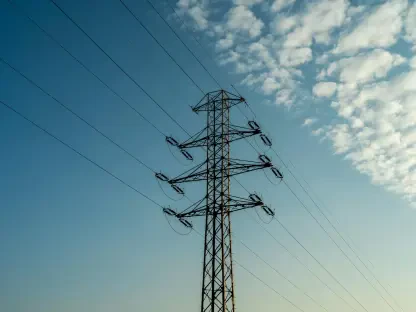
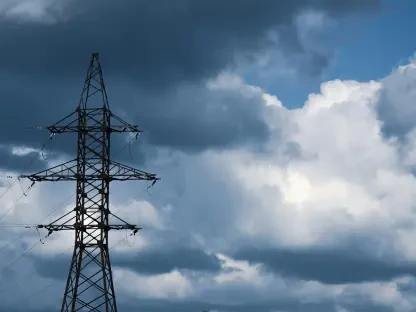
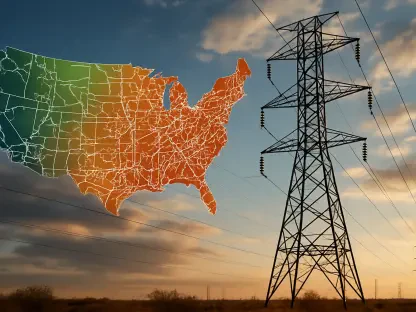
Beyond the balance sheet, Nevada’s geography and infrastructure investments—most notably the $4.2 billion Greenlink project and the TransWest Express line—position the state as a vital transmission hub. These high-voltage pathways act as the “interstate highway system” for electricity, allowing Nevada to import Wyoming wind and Pacific Northwest power when needed. Conversely, when local solar production peaks during the afternoon, Nevada can export its surplus to neighboring states, turning excess energy into a revenue stream that benefits local consumers.
Stakeholder Perspectives and Regulatory Compliance
The shift to EDAM is not just a utility-led initiative; it is backed by major tech corporations like Google and advocacy groups such as Advanced Energy United, who view the market’s geographic breadth as essential for operational efficiency. Large energy consumers are increasingly demanding more transparent and reliable power markets to support data centers and industrial expansion. These stakeholders recognize that a fragmented grid is a risk to long-term economic growth, whereas a regional market provides the stability required for large-scale investment.
Experts highlight that this move also ensures compliance with Federal Energy Regulatory Commission (FERC) Order 2222, which requires wholesale markets to incorporate distributed energy resources like local solar and battery storage. By aligning with CAISO, NV Energy can more effectively manage these small-scale resources, creating a more resilient and inclusive energy ecosystem. This allows residential battery owners and local solar cooperatives to contribute to grid stability, further diversifying the resource pool and reducing the reliance on large, centralized power plants.
Strategies for a Seamless Market Integration
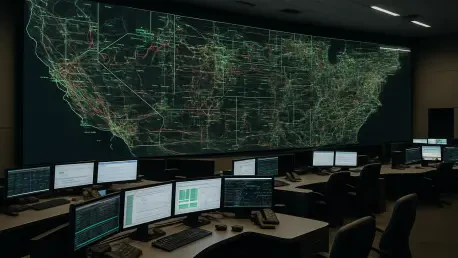
To ensure a successful transition by the 2028 deadline, NV Energy and state regulators are focusing on a multi-phased implementation strategy. This includes modernizing grid governance to handle daily, optimized power transfers rather than relying on reactive, emergency-only protocols. Engineers are currently working to harmonize software systems and communication links with CAISO’s headquarters, ensuring that the two entities can exchange data in near real-time without security risks or technical delays.
Additionally, the utility refined its revenue models for short-term wheeling—the process of moving power across its lines for third parties—to capitalize on its role as a central corridor for Western energy. These steps were designed to transform Nevada into a stabilizing force for the entire Western Interconnection, ensuring reliable and cost-effective power for decades to come. By the time the implementation concluded, the state had effectively secured its place as a leader in regional energy policy, providing a blueprint for other utilities to follow.