
Will Derby’s New Waste Plan Save Cash or Cause a Stink
Derby’s familiar weekly ritual of putting out the bins is on the cusp of a significant transformation, one that promises to turn kitchen scraps into a source of renewable energy and household savings. The Derby City Council is introducing a mandatory food waste collection service for all residents, a move that brings the city in line with new national environmental standards. This article will serve as a guide to this new initiative, answering key questions about its implementation, the reasons behind it, and the potential impacts it may have on the community, from financial benefits to local concerns.
Key Questions or Key Topics Section
What Is Changing with Derby’s Waste Collection
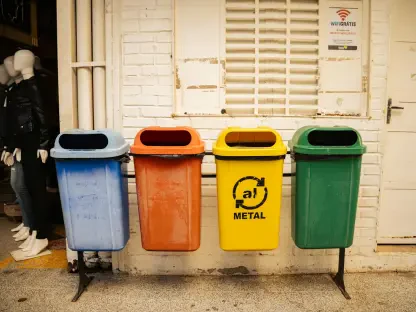
The most visible change for every household will be the arrival of new containers designed specifically for food waste. Residents will receive a small, light grey caddy intended for kitchen countertops and a larger, 40cm dark green outdoor bin. These are for collecting all types of food waste, including cooked leftovers, meat bones, dairy products, and peelings. Distribution of these bins is scheduled for completion before the new weekly collection service officially begins in April.
To support this new city-wide service, the council is expanding its operational capacity. This expansion is funded by a £2.7 million government grant from Defra and includes hiring additional staff and purchasing 14 new collection trucks. This logistical overhaul is necessary to handle the new, separate waste stream and ensure the program runs smoothly from its inception, marking a significant investment in the city’s waste management infrastructure.
Why Is This New Program Being Implemented
The primary driver for this change is national legislation. The UK’s Environment Act 2021 mandates that every local authority must establish a weekly food waste collection service by March 31 of the current year. Derby’s new plan is a direct response to this legal requirement, aligning local waste management practices with a broader national strategy aimed at reducing landfill use and environmental impact.
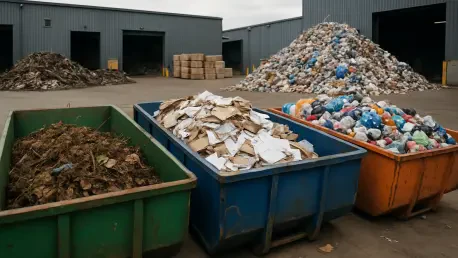
Beyond legal compliance, the initiative carries substantial environmental benefits. Councillor Ndukwe Onuoha, a cabinet member, has highlighted that the collected food waste will be processed to generate renewable energy and a natural fertilizer. This process diverts organic matter from landfills, where it would otherwise decompose and release harmful greenhouse gases. By transforming waste into a resource, the program contributes to a more sustainable, circular economy.
What Are the Potential Benefits and Concerns for Residents
A major benefit promoted by the council is the potential for household savings. By separating food waste, residents become more aware of what they throw away. Councillor Onuoha believes this visibility will encourage households to reduce their overall food waste. This view is supported by research from the Waste and Resources Action Programme (WRAP), which estimates that the average family of four discards food worth around £1,000 annually. Since food currently constitutes nearly a third of the 50,000 tonnes of general waste collected in Derby each year, the potential for savings is significant.
However, the plan is not without its local detractors. A specific concern has been raised regarding the processing of the collected waste. Councillor Jonathan Smale of the Spondon ward has voiced fears that the city’s only anaerobic digestion facility, located in his area, could release “significant odours” into the surrounding community. This introduces a critical counterpoint, pitting the city-wide environmental and financial benefits against a potential negative impact on the quality of life for residents living near the processing plant.
Summary or Recap
Derby’s new mandatory food waste collection program represents a fundamental shift in how the city manages its waste. Driven by national law and supported by government funding, the initiative provides residents with dedicated bins to separate food scraps, which are then collected weekly by an expanded fleet of vehicles. The stated goals are twofold: to meet environmental targets by converting waste into energy and fertilizer, and to help households save money by making food waste more visible. This program balances these intended positive outcomes against tangible local concerns about potential odours from the processing facility.
Conclusion or Final Thoughts
The examination of Derby’s new waste strategy revealed a complex initiative designed to address pressing environmental mandates while offering tangible benefits to residents. The rollout of new bins and collection services represented a significant logistical undertaking, but the core of the issue rested on balancing broad advantages with specific local anxieties. The debate ultimately highlighted the intricate relationship between public policy and community impact, demonstrating that even well-intentioned environmental programs must navigate the real-world concerns of the people they affect.