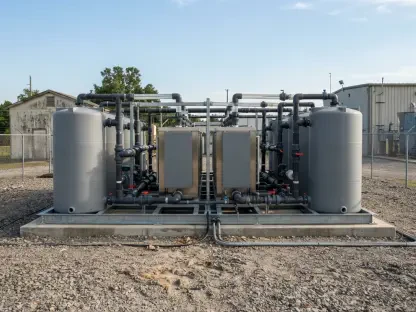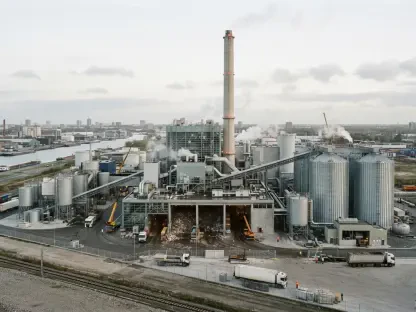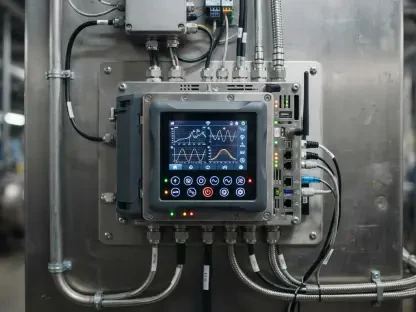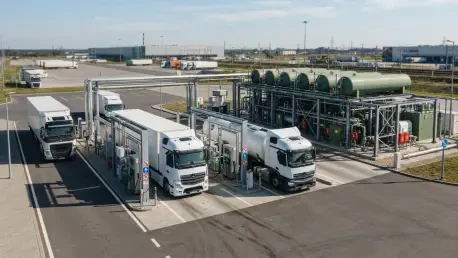

A massive influx of $2.6 billion in private sector investment is currently driving the rapid expansion of compressed natural gas infrastructure across Nigeria’s diverse geographic regions. This strategic pivot marks a decisive turn in the national energy policy, moving away from the volatile pricing of imported premium motor spirit toward a more stable, domestically sourced alternative. By prioritizing Compressed Natural Gas, or CNG, the administration is addressing the systemic inflation that surged after the removal of fuel subsidies, aiming to restore purchasing power to millions of households. The rollout involves a meticulous roadmap to establish 500 new refueling and conversion centers, ensuring that the benefits of cheaper fuel are not confined to urban centers but reach every corner of the federation. This shift is not merely about energy transition but serves as a blueprint for economic resilience, utilizing Nigeria’s vast gas reserves to insulate the transportation sector from global oil price shocks. As these facilities begin to populate the landscape, the ripple effects on the supply chain and cost of living are becoming increasingly tangible for the average commuter.
Scaling National Infrastructure: From Proof of Concept to Commercial Viability
The transition has moved beyond theoretical frameworks into a tangible operational reality with approximately 160 CNG refueling stations currently serving the public. Another 170 facilities are at various stages of technical development or awaiting final regulatory clearance from the Nigerian Midstream and Downstream Petroleum Regulatory Authority. This rapid development indicates that the market has transitioned out of its nascent “proof of concept” phase and entered a period of aggressive scaling. For transport operators, the presence of these stations provides the necessary confidence to invest in vehicle conversions, knowing that the fuel source is reliable and geographically accessible. The government’s role in streamlining the licensing process has been pivotal, allowing developers to break ground on new projects with minimal bureaucratic delays. This efficiency is critical for maintaining the momentum required to transform the national fuel consumption pattern in a very short timeframe while meeting rising demand.
Looking toward the immediate horizon of early 2027, the objective is to create an ecosystem robust enough to support Nigeria’s massive fleet of 12 million vehicles. This target is not just an ambitious number but a calculated response to the logistical needs of a population exceeding 220 million people. Achieving this scale requires a synchronized effort between midstream gas suppliers and downstream retailers to ensure that pressure levels at the pump remain consistent even during peak demand periods. Furthermore, the expansion plan integrates technological monitoring to track usage patterns, allowing for data-driven decisions on where to site future stations. As the network densifies, the distance between refueling points decreases, effectively eliminating the “range anxiety” that often hinders the adoption of alternative fuels. This density is the key to making CNG the default choice for long-haul commercial vehicles and intracity transport systems alike, cementing its role as the new backbone of the national economy.
Market-Driven Growth: Leveraging Private Capital and Public Assets
A defining characteristic of this infrastructure drive is the heavy reliance on private-sector participation rather than sole government funding. Currently, private investors have committed an estimated $2.6 billion toward developing CNG infrastructure, reflecting a deep-seated confidence in the long-term profitability of the domestic gas market. To further stimulate this growth, the administration has mandated the strategic utilization of the Midstream and Downstream Gas Infrastructure Fund to bridge the gap between initial capital requirements and operational sustainability. This approach represents a fundamental shift in economic philosophy, where the state acts as a facilitator and regulator rather than the primary financier. By creating a favorable investment climate, the government has encouraged a diverse array of entrepreneurs to participate, ranging from large multinational energy firms to local startups. This competitive environment is essential for driving down costs and ensuring that the most efficient technologies are deployed across the refueling network.
Innovation is also evident in the collaborative partnership models being used to repurpose existing national assets for modern energy needs. A prime example of this is the transformation of underutilized petrol stations into integrated CNG dispensing and vehicle conversion hubs, such as the facility recently inaugurated in the capital. By providing the land and existing structures, the government significantly lowers the entry barrier for private partners who then supply the specialized technical equipment and operational expertise. This “asset-provision” strategy allows for a much faster rollout than building new sites from the ground up, effectively utilizing dormant real estate to serve the public good. Such models prove that massive infrastructure changes can be achieved without placing an undue burden on the national treasury, as the private sector absorbs the operational risks. Replicating this model across various government-owned sites will likely become a standard practice for expanding the national network rapidly.
Socio-Economic Impacts: Reducing Fares and Optimizing Natural Resources
The most immediate benefit of the CNG expansion is the drastic reduction in operational costs for transport operators, which translates directly into lower fares for commuters. Early data from key transport corridors in Abuja, Lagos, and Kano indicates that passengers are seeing price drops of between 30 and 40 percent on routes serviced by gas-powered buses. In regions like the Kano-Katsina route, the affordability of CNG has already begun to stabilize the local economy by lowering the cost of moving goods and people. These savings are crucial for mitigating the inflationary pressures that have historically followed fluctuations in global oil prices. When transport costs go down, the price of basic commodities typically follows, providing a comprehensive form of relief to the general population. This tangible financial incentive is the primary reason why public acceptance of the new fuel technology has been so high, as the economic benefits are felt immediately at the point of service and within the household budget.
The strategic expansion of CNG infrastructure effectively addressed the urgent need for a resilient and affordable transportation framework in the face of rising energy costs. This initiative demonstrated that the transition to cleaner fuels depended as much on private sector confidence as it did on government policy. To ensure continued success, stakeholders looked toward establishing a national network of technical training academies to provide a steady stream of certified conversion technicians. Policymakers also recognized the importance of standardizing safety regulations for gas storage and distribution to maintain public confidence in the long term. This historical pivot provided a clear roadmap for other resource-rich nations to follow, proving that economic relief and environmental stewardship could coexist through innovative infrastructure management. The path forward required consistent monitoring of gas pricing mechanisms to ensure that the cost benefits for the average commuter remained stable regardless of fluctuations in the global energy market.