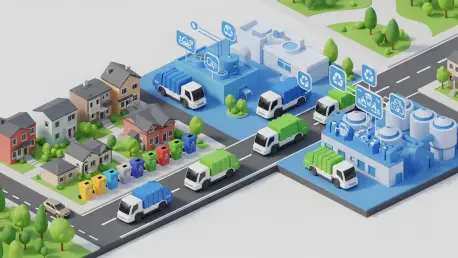

The American recycling industry currently operates as a massive economic engine that generates approximately $184 billion in annual activity while supporting over 603,000 jobs across various sectors. Rather than being viewed as a sunk cost or a financial burden for municipalities, waste collection infrastructure serves as a high-yield public investment that can stimulate local economies. Despite this strong foundation, federal estimates suggest the nation’s current infrastructure is only half as prepared as it needs to be to handle growing waste challenges, representing a significant missed opportunity for economic growth. Bridging the current infrastructure gap would require a one-time capital investment of between $36.5 and $43.4 billion. While this figure seems large, it is relatively small compared to the $250 billion the United States already spends every year on solid waste management. By modernizing the system, the national recycling rate could nearly double, moving from 32% to 61% by 2028.
The Financial Logic of Waste Modernization
Capturing Long-Term Economic Value
The proposed $43.4 billion investment is strategically split between expanding curbside collection, modernizing sorting facilities, and developing organics processing to meet modern demands. These investments create skilled local jobs that offer average wages and benefits exceeding $100,000—positions that cannot be outsourced because they require physical presence in domestic facilities. By prioritizing these capital projects, the government can transform a basic service into a sophisticated industrial sector that generates high-quality commodity streams for domestic manufacturing. These facilities serve as the foundation for a resilient supply chain, ensuring that recycled glass, plastic, and metals are readily available for local producers. This transition shifts the focus from waste disposal to resource management, creating a feedback loop where the materials recovered today become the raw components for tomorrow’s products, reinforcing the strength of the national industrial base.
Mitigating Future Fiscal Liabilities
From a long-term fiscal perspective, the cost of failing to modernize is staggering for taxpayers and private enterprises alike. Projections from the World Economic Forum indicate that if current waste management practices continue without significant change, annual costs will balloon to over $417 billion by 2050. Investing in infrastructure today provides recurring savings by avoiding these massive future expenses and mitigating the environmental liabilities associated with landfill expansion. This approach effectively turns a recurring municipal expense into a self-sustaining asset that captures the inherent value of recovered materials rather than burying them underground. By stabilizing the cost of waste services, cities can redirect funds toward other essential public services like education and public safety. The initial capital outlay acts as a hedge against inflation and rising disposal fees, ensuring that the economic benefits of a circular economy are realized across several decades of operation.
Addressing Technical Realities and Market Signals
Navigating Rising Costs: Tipping Fees and Space
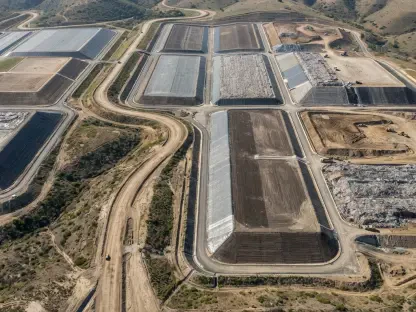
Market signals increasingly indicate that burying waste is an unsustainable strategy for the modern American economy. In 2024, landfill “tipping fees” rose to an average of over $62 per ton, with some regions seeing costs exceed $80 as capacity reached critical lows. As landfill space becomes more expensive and scarce, the economic rationale for diverting waste toward recycling and composting becomes undeniable for budget-conscious administrators. High diversion rates have already been shown to lower net waste management costs for municipalities that commit to comprehensive modernization strategies. This trend is expected to accelerate from 2026 to 2030 as older landfills close and new sites face stringent regulatory hurdles. By choosing to divert materials, cities can bypass the volatility of the landfill market and create a more predictable cost structure. This economic shift encourages private investment in processing technology, as the spread between disposal costs and commodity values continues to widen.
Implementing Advanced Sorting Technologies
Technical upgrades at Materials Recovery Facilities (MRFs) are essential to handle the modern waste stream, which includes thinner plastics and flexible films that older machines simply cannot process. By implementing optical sorting technology and consolidating collection contracts through “hub-and-spoke” models, even low-density rural areas can achieve the economies of scale necessary for profitability. These upgrades ensure that facilities produce high-quality materials that can be sold back into the market at a profit, rather than being rejected as contaminants. The use of artificial intelligence and advanced robotics in sorting lines further increases the purity of the output, making the resulting bales more attractive to manufacturers of food-grade packaging. As the complexity of consumer packaging increases, the ability of a facility to adapt its sorting parameters in real-time becomes a competitive advantage. This technological evolution ensures that the recycling stream remains a viable source of secondary raw materials.
Policy Reform and the Circular Economy
Diverting Organic Waste and Biogas Generation
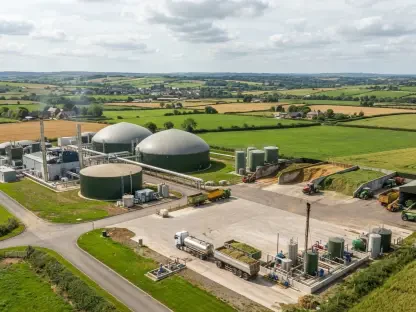
Because organic waste like food scraps and yard trimmings makes up more than a quarter of the waste stream, dedicated infrastructure for composting and anaerobic digestion is critical for success. These facilities convert waste into high-value agricultural amendments or renewable biogas, providing a dual benefit of waste reduction and energy generation for local grids. This specialized recovery is a cornerstone of a circular economy, ensuring that organic materials contribute to soil health and carbon sequestration rather than methane production in landfills. By integrating organic processing into the standard waste management plan, municipalities can achieve significantly higher diversion rates while producing a product that supports local agriculture. This localized cycle of nutrients reduces the need for chemical fertilizers and improves water retention in the soil, offering environmental benefits that extend far beyond the waste facility. Such systems represent a holistic approach to resource management.
Shifting Responsibility: EPR Laws and Data Systems
Systemic change also requires a shift in how recycling is funded, moving away from a total reliance on local taxpayers who are already burdened by rising costs. States like California and Colorado are leading the way with Extended Producer Responsibility (EPR) laws, which shift the financial burden of infrastructure to the companies that produce the packaging. By combining these legislative frameworks with federal grants and better state-level data collection, the United States can build a modern system that pays for itself through job creation and resource recovery. This policy shift incentivizes manufacturers to design packaging that is easier to recycle, reducing the complexity of the sorting process at the back end. Furthermore, addressing the “data blindness” in many states will allow for more targeted investments in areas with the greatest need. By creating a transparent and accountable funding model, the nation can ensure that recycling services are equitable and efficient, reaching every household.
Advancing the Circular Economy: Next Steps
The transition toward a self-sustaining recycling infrastructure required a fundamental shift in how the nation perceived its discarded materials. By treating waste as a valuable resource rather than a burden, policymakers and private investors successfully laid the groundwork for a circular economy that began to flourish in the mid-2020s. To continue this momentum, stakeholders focused on harmonizing standards across state lines to simplify the consumer experience and increase the quality of collected materials. Implementation of localized “hub-and-spoke” processing centers offered a proven blueprint for rural accessibility, demonstrating that geographic isolation should no longer be a barrier to environmental participation. Future considerations included the expansion of domestic end-markets to ensure that recovered commodities were used in American manufacturing. Ultimately, the integration of advanced sorting technology and producer-led funding models provided a roadmap for a resilient system that prioritized both economic growth and environmental stewardship.