
The global energy landscape has undergone a seismic shift as aging power grids struggle to accommodate the intermittent nature of renewable energy sources and the skyrocketing demand from electric vehicle charging stations. This volatility has transformed the role of commercial and industrial facilities from mere consumers into vital assets for grid stability. Modern demand response programs now offer a sophisticated mechanism where facilities can generate substantial revenue by adjusting their electricity usage during peak periods or responding to real-time grid signals. Instead of viewing energy as a fixed operational cost, forward-thinking managers treat their load profiles as tradable commodities. This financial opportunity arises when the utility or grid operator pays a premium for the ability to reduce load quickly, thereby avoiding the need to fire up expensive peaker plants. By participating in these structured programs, a facility can achieve a dual benefit of direct financial incentives and lower overall energy procurement costs through improved demand management.
Strategic Integration of Automated Load Management
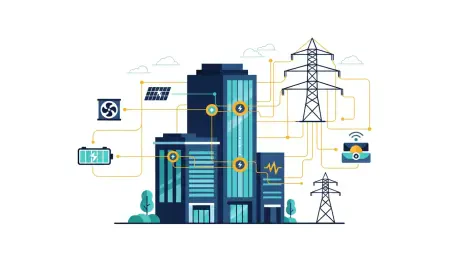
Moving beyond the antiquated days of manually switching off lights or turning down thermostats, current facilities leverage Automated Demand Response (ADR) systems that integrate seamlessly with existing Building Management Systems. These technologies utilize sophisticated algorithms to analyze real-time pricing data and grid conditions, executing pre-programmed load-reduction strategies without human intervention. For instance, a large-scale data center or a cold storage warehouse might slightly shift cooling cycles or adjust fan speeds in response to a signal from the regional transmission organization. This level of automation ensures that the facility meets its curtailment obligations with high precision, which is critical for maximizing performance-based payments. Furthermore, these systems provide deep visibility into energy patterns, allowing operators to identify inefficiencies that were previously hidden within aggregate utility bills. As the grid becomes increasingly decentralized, the ability to respond autonomously to high-frequency signals allows a facility to capture revenue from ancillary services markets.
While the primary driver for adopting advanced demand response is often the direct cash incentive, the secondary benefits to operational resilience and equipment longevity are equally compelling for long-term profitability. By modulating heavy electrical loads in a controlled and predictable manner, facilities avoid the stress of sudden brownouts or voltage fluctuations that can damage sensitive industrial machinery and electronics. Sophisticated energy management software tracks the impact of these adjustments, ensuring that load shedding does not compromise safety standards or tenant comfort levels in commercial real estate. Moreover, the data collected through demand response participation often serves as the foundation for predictive maintenance programs, as it highlights how different subsystems perform under varied load conditions. This proactive approach to energy management reduces the likelihood of catastrophic failure and extends the useful life of expensive HVAC and power distribution assets. Consequently, the profit realized is augmented by the reduction in emergency repair costs.
Maximizing Return through Strategic Grid Interaction
Beyond the maintenance savings and operational benefits discussed previously, revenue generation within modern demand response is no longer limited to simple curtailment during heatwaves but encompasses a diverse portfolio of market-based opportunities including capacity markets and frequency regulation. In capacity markets, facilities receive recurring payments simply for being available to reduce load if called upon, providing a steady and predictable income stream regardless of whether a curtailment event actually occurs. This “insurance policy” for the grid pays a premium to large energy users who can demonstrate a reliable ability to drop load during peak stress periods, such as late afternoons in summer or early mornings in winter. Simultaneously, the rise of behind-the-meter battery storage systems allows facilities to participate in fast-acting frequency regulation markets, where they help maintain grid stability by rapidly charging or discharging power. These high-value services often command higher prices, allowing managers to optimize assets for the highest return.
The transition toward active grid participation represented a fundamental shift in how physical infrastructure contributed to corporate financial health. Organizations that prioritized the integration of automated response systems and on-site energy storage successfully converted a traditional liability into a high-yield asset. They moved beyond reactive measures and instead adopted a holistic approach that combined real-time data analytics with strategic market participation to capture diverse revenue streams. These leaders recognized that energy flexibility was a competitive advantage that buffered the company against price spikes while supporting broader sustainability objectives. The process involved auditing existing load profiles, upgrading to intelligent control systems, and partnering with experienced aggregators to navigate the complexities of the wholesale power market. Ultimately, the decision to embrace modern demand response provided a clear path toward operational excellence and financial resilience. Those who acted decisively secured their place in a more efficient energy ecosystem, ensuring that their facilities remained profitable and sustainable.