
Every qualifying portable-scale solar device must be labeled and listed by a nationally recognized testing laboratory to ensure it meets rigorous safety standards before being connected to the grid. This mandate serves as the cornerstone of House Bill 26-1007, a transformative piece of legislation that effectively dismantles the long-standing barriers preventing average Coloradans from participating in the renewable energy transition. For too long, the path to solar adoption was paved with expensive structural permits, rigid utility contracts, and permanent hardware that excluded a massive portion of the population. By redefining these systems as manageable, plug-and-play appliances, the state has fundamentally shifted the power dynamic between centralized energy providers and the individual consumer. This legislative overhaul recognizes that modern energy independence does not always require a massive capital investment or a mortgage on a single-family home. Instead, it prioritizes the modular and flexible nature of contemporary technology, allowing for a more agile and responsive electrical infrastructure.
Standardizing Safety: Technical Specifications and Grid Compatibility
To maintain the integrity of the local distribution network, the legislation precisely defines the operating parameters of these portable devices. A qualifying unit is strictly limited to an output of 1,920 watts, a figure meticulously chosen to align with the capacity of a standard 20-ampere household circuit found in most residential properties across the country. This alignment ensures that the existing electrical infrastructure can safely accommodate the additional power flow without the risk of overheating or triggering circuit breakers under normal conditions. Beyond wattage limits, the inclusion of anti-islanding technology is a non-negotiable safety feature required by the state. This hardware automatically detects when the main power grid has gone offline and immediately ceases the export of electricity. By doing so, it prevents the dangerous backfeeding of power into lines that utility technicians may be repairing during outages, thereby eliminating a major safety concern that previously served as a justification for banning such devices.
The relationship between energy consumers and their respective utility providers has also been recalibrated to favor accessibility and transparency. Utilities are now prohibited from requiring advance approval for the installation of these portable systems, provided the equipment meets the established safety benchmarks. This change removes a significant administrative hurdle that often discouraged homeowners from pursuing small-scale solar projects due to long wait times and complex paperwork. Furthermore, the law prevents electric providers from imposing discriminatory fees or mandating the installation of redundant hardware that is not already integral to the certified solar unit. While utilities retain the right to require a simple notification for data tracking and load management purposes, they can no longer act as gatekeepers for small additions to the grid. This shift fosters a more collaborative environment where decentralized energy resources are viewed as assets to the broader system rather than disruptions to traditional business models.
Streamlined Deployment: Infrastructure and Regulatory Harmonization
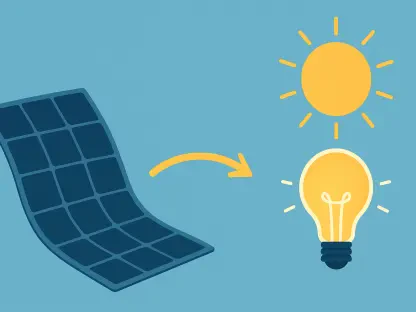
A tiered regulatory framework further simplifies the process for individuals interested in even smaller energy footprints. Devices that generate 391 watts or less are treated with a higher degree of leniency, as they are frequently exempt from the complex building-safety provisions that would typically require extensive electrical modifications. This allows residents to deploy micro-solar systems, such as a single panel mounted on a balcony or a small patio setup, with minimal bureaucratic oversight while still adhering to general fire and safety codes. Such a granular approach acknowledges that the risks associated with very low-wattage devices are minimal and do not justify the same level of scrutiny as large-scale arrays. By lowering these barriers, the state has opened the door for a wave of innovation in the consumer electronics sector, encouraging the development of more efficient and aesthetically pleasing portable solar solutions that can fit seamlessly into diverse urban and suburban environments.
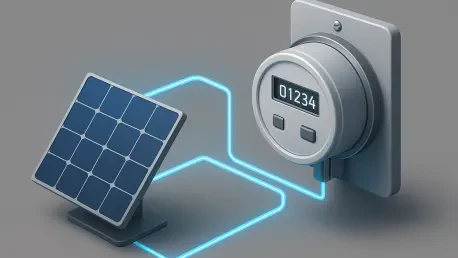
The focus on physical hardware extends to the point of connection, specifically through the integration of meter collar adapters to lower the total cost of ownership. These adapters sit between the electric meter and the meter socket, providing a safe and standardized connection point that eliminates the need for invasive and expensive upgrades to an existing electrical panel. By the end of 2026, state regulators are tasked with finalizing a comprehensive set of rules that will allow these adapters to be used across all utility types, including cooperatives and municipal providers. This move is designed to drastically reduce the soft costs associated with solar adoption, which often include labor and professional consultation fees that can exceed the price of the solar panels themselves. By standardizing the interface between the home and the grid, Colorado is ensuring that the benefits of plug-in solar are not restricted by the age or configuration of a building’s internal wiring, making the transition significantly more affordable.
Empowering Consumers: Strategic Equity and Long-Term Integration
This legislative shift represents a major advancement for energy equity by extending solar access to demographics that were previously ignored by the green energy market. Renters and apartment dwellers, who typically lack the authority to make permanent modifications to their living spaces, can now invest in portable units that they can take with them when they move. This mobility ensures that the financial benefits of reduced utility bills are available to a broader range of socio-economic groups, rather than being a privilege reserved only for property owners. Because these systems do not require permanent installation, they offer a level of flexibility that matches the modern, mobile lifestyle of many younger residents. This inclusivity is vital for achieving the state’s broader climate goals, as it mobilizes a massive and untapped segment of the population to contribute to the local generation of clean power, thereby diversifying the energy mix and increasing the resilience of the overall electrical grid.
The implementation of these policies successfully transformed the landscape of residential energy by removing the financial and logistical gatekeepers that previously hindered small-scale innovation. Stakeholders recognized that the most effective way to secure a clean energy future was to place the necessary tools directly into the hands of the citizenry. State regulators finalized the deployment of comprehensive educational resources that guided homeowners through the selection of certified hardware, ensuring that the initial wave of adoption was both safe and productive. By prioritizing the standardization of meter collar adapters, the state lowered the entry price for thousands of households that had been previously locked out due to high electrical upgrade costs. This transition fostered a more resilient distribution network where decentralized resources contributed significantly to peak demand reduction. Moving forward, the blueprint established by this legislation provided a clear model for other regions to follow, emphasizing that the democratization of power was an attainable reality.