
Approximately eighty percent of Australians believe that the combined pressure of housing and living costs will force them to delay their planned retirement. This stark reality has fundamentally reshaped the nation’s relationship with residential property, transforming the home from a simple sanctuary into a critical financial asset that must be shielded from external economic shocks. As utility bills soar and the volatility of global energy markets persists, a profound shift is occurring where energy efficiency is no longer viewed as an optional luxury but as a non-negotiable requirement for financial survival. Homebuyers are increasingly prioritizing structures that offer long-term operational savings, viewing green features as essential tools to offset the rising cost of daily life. This pragmatic evolution reflects a broader societal trend where sustainability is being harnessed as a direct response to economic instability, driving a nationwide movement toward resilient housing solutions.
Economic Pressures and the Urgency of Climate Awareness
The primary catalyst for this systemic change is the aggressive trajectory of electricity prices, which have experienced substantial double-digit increases across major metropolitan hubs over the past twelve months. While industry analysts predict some stabilization in the coming years, the immediate financial trauma has already permanently altered consumer behavior and market expectations. Homeowners are actively seeking ways to insulate themselves from these uncontrollable overheads by investing in properties that boast superior insulation, smart climate control systems, and high-performance glass. These upgrades are increasingly viewed as a defensive financial strategy rather than just an environmental choice. Consequently, the Australian residential market is seeing a divergence where energy-inefficient homes are beginning to carry a “brown discount,” as savvy buyers calculate the high cost of maintenance.
Beyond the immediate concern of monthly utility invoices, there is an escalating recognition of climate-related risks as a pivotal factor in long-term property valuation and insurance viability. More than a third of the population now expresses significant concern that extreme weather patterns or rising temperatures could degrade their property’s market value before the end of the decade. This heightened awareness is propelling a proactive movement toward “future-proofing” real estate assets, ensuring that dwellings remain both physically habitable and commercially attractive in a volatile climate landscape. Investors are shifting their focus toward properties that demonstrate high resilience, recognizing that those without sustainable adaptations face a greater risk of asset depreciation or even becoming uninsurable. This trend is solidifying the link between environmental performance and capital growth.
Scaling Sustainable Finance and Renewable Energy Integration
The financial services sector has reacted with remarkable speed to these changing consumer demands, resulting in a robust expansion of green lending portfolios that have doubled in volume within a single year. These innovative credit products are no longer limited to standard residential mortgages but have expanded to encompass energy-efficient vehicle loans and specialized credit lines for significant home improvements. Borrowers are leveraging these lower-interest options to fund the installation of high-capacity solar arrays and sophisticated battery storage systems, effectively turning their homes into decentralized energy hubs. This rapid adoption of sustainable finance underscores a major transition in the banking industry, where lenders are increasingly incorporating sustainability metrics into their risk assessments. By offering preferential rates for green homes, institutions are incentivizing a faster transition.
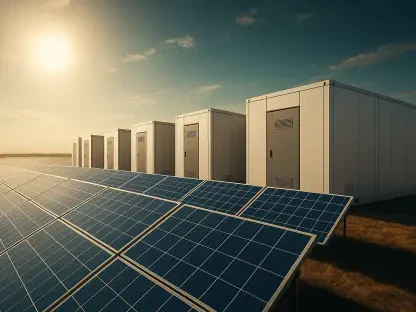
While rooftop solar panels have already achieved status as a standard feature in the Australian suburban landscape, the next frontier of this energy revolution is centered on the rapid integration of home battery systems. A significant percentage of existing homeowners are currently planning to install these storage solutions to maximize the utility of their generated power and further reduce their dependence on the national grid. This movement reinforces Australia’s standing as a global pioneer in small-scale renewable uptake, as residents look to reduce their environmental footprint while simultaneously gaining total control over their energy costs. The transition is being supported by a growing network of technology providers who are simplifying the process of retrofitting older homes with modern infrastructure. This push for self-sufficiency is a hallmark of the new housing economy, where efficiency is synonymous with independence.
Bridging the Generational Divide in Property Access
Despite the universal enthusiasm for sustainable living, a widening generational gap exists regarding the practical ability to enter the property market and afford high-efficiency upgrades. Younger cohorts, particularly Millennials and those in Generation Z, are navigating a landscape defined by much higher deposit requirements relative to income than previous generations experienced. This substantial financial barrier makes it exceedingly difficult for first-time buyers to compete for modern, energy-efficient homes that typically command a premium price at the point of sale. Without significant upfront capital or intergenerational wealth transfers, many younger Australians are forced into older, less efficient housing stock, which paradoxically increases their long-term cost of living through higher energy bills. This disparity creates a twofold challenge where those who need efficiency the most are often the least able to access it.
The compounding pressures of housing debt and the high cost of maintaining a standard of living are having a profound and lasting impact on the retirement landscape across the country. As many individuals find themselves carrying mortgage debt well into their later working years, the prospect of a comfortable and timely retirement is becoming increasingly elusive for the average worker. This financial reality suggests that while the shift toward green housing offers a potential path to lower operational expenses, the broader economic environment continues to challenge the financial security of the workforce. The necessity of spending a larger portion of income on housing and debt servicing leaves less room for retirement savings, creating a cycle where work must be extended to meet basic financial obligations. This shift is redefining the traditional concept of the working life for many residents who must balance ownership with security.
Strategic Shifts in the Real Estate and Brokerage Sector
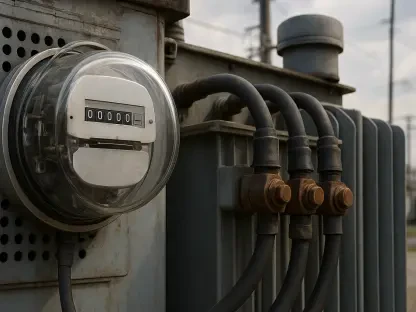
For the mortgage brokerage and real estate industries, the rise of energy-efficient housing presents a transformative opportunity to evolve the value proposition offered to modern clients. Professionals in these fields are now expected to possess a deep proficiency in discussing thermal performance ratings and projected energy savings with the same level of expertise as interest rates. The modern broker is becoming a strategic advisor who helps clients understand the total cost of ownership rather than just the initial purchase price of a property. This shift reflects a marketplace where integrated technologies like smart meters and high-efficiency climate control are viewed as essential economic tools rather than optional perks. As consumer literacy regarding sustainability continues to improve, the demand for transparency and data-driven advice regarding a home’s efficiency profile has become a standard market expectation.
Ultimately, the Australian housing market reached a pivotal intersection where environmental sustainability and rigorous financial pragmatism converged to create a new paradigm for property ownership. To navigate this landscape, stakeholders prioritized the integration of climate-resilient technologies and utilized green lending products to establish a stable foundation for long-term wealth preservation. Industry leaders focused on simplifying the certification process for energy-efficient homes and expanded access to specialized credit for lower-income households to ensure equitable progress. The market shifted decisively toward requiring that all new developments met the highest standards of energy performance to mitigate future economic risks. By aligning financial incentives with sustainable outcomes, the sector successfully addressed the dual challenges of climate change and affordability. These strategic adjustments ensured that the market remained a viable engine.