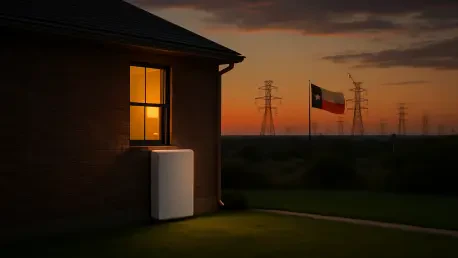

The hum of a quiet refrigerator or the glow of a bedside lamp may seem like minor comforts, but in the heart of Texas, these simple luxuries represent a hard-fought battle for energy independence. Texas homeowners have historically viewed their electricity meters as a one-way street, but a radical shift is turning living rooms into the front lines of grid stability. With the memories of winter storm failures still fresh, the question is no longer just how we generate power, but where we store it. As the state moves toward a decentralized energy model, the traditional reliance on massive, centralized power plants is being challenged by a fleet of residential batteries that act as a distributed defense against the next big blackout.
This transformation is not merely about personal backup; it is a fundamental redesign of the American power grid. By moving the point of storage from distant utility sites to the very garage where a family parks their car, the energy sector is addressing the inherent fragility of long-range transmission. This shift represents a move from a vulnerable, top-down architecture to a resilient, bottom-up network that can withstand the increasingly volatile weather patterns of the twenty-first century.
Why the Lone Star State is Reimagining the Light Switch
The traditional utility model, which relies on a handful of massive plants to power millions of homes, is facing an existential crisis. In Texas, the sheer vastness of the geography means that if a single high-voltage line fails during a storm, thousands of people can be plunged into darkness regardless of how much fuel is available at the source. Consequently, the state is pivoting toward a strategy where the “light switch” is no longer just a request for power from the grid, but a command to a local, domestic reservoir of energy.
This reimaging is driven by a desire for autonomy. Homeowners are tired of being passive victims of market fluctuations and weather-induced failures. By installing high-capacity storage, they are effectively building their own personal microgrids. This movement signifies a cultural shift in the Lone Star State, where self-reliance is being applied to the very electrons that fuel modern life, ensuring that the state remains a leader in energy innovation through individual empowerment.
The Fragile State of the ERCOT Grid and the Need for Resiliency
The Texas energy market, managed by the Electric Reliability Council of Texas (ERCOT), has become a global proving ground for energy innovation due to its unique combination of competitive retail markets and extreme weather vulnerability. High demand during heatwaves and freezes often pushes the grid to its breaking point, causing wholesale price spikes that can devastate both utilities and consumers. This environment has created an urgent need for “flexible capacity”—the ability to adjust power supply and demand in real-time—making distributed energy resources (DERs) a critical component of the state’s long-term energy strategy.
Moreover, the isolation of the Texas grid—which is largely disconnected from the rest of the United States—means it cannot easily import power during an emergency. This isolation forces ERCOT to find internal solutions to balance a rapidly growing population and an increasingly wind-and-solar-dependent energy mix. Home batteries provide the necessary buffer to smooth out the intermittency of renewables, capturing excess sun or wind energy during the day to be used when the sun goes down or the wind stops blowing.
The Octopus and Lunar PowerStore Initiative: A New Blueprint for Reliability
The partnership between Octopus Energy and Lunar Energy represents a significant evolution in how residential energy is sold and managed. Their “PowerStore” program removes the primary barrier to home energy storage—the high upfront cost—by offering a 30-kWh Lunar Energy battery for a $45 monthly subscription fee rather than a $15,000 installation bill. This plan integrates hardware directly into the consumer’s energy tariff, providing a fixed energy rate of 8 cents/kWh for three years. This model effectively democratizes access to high-end technology that was previously reserved for the wealthy.
The system is designed for maximum versatility, integrating with existing solar inverters from manufacturers like Tesla and Enphase, while Octopus Energy manages the battery’s discharge cycles to balance the grid during peak demand. This sophisticated software-driven management ensures that the battery is always working in the interest of the homeowner. For instance, if a major storm is detected on the horizon, the provider prioritizes a full charge to ensure that the home stays powered even if the surrounding neighborhood goes dark.
Moving Toward a Virtual Power Plant: Lessons from the Texas Battery Boom
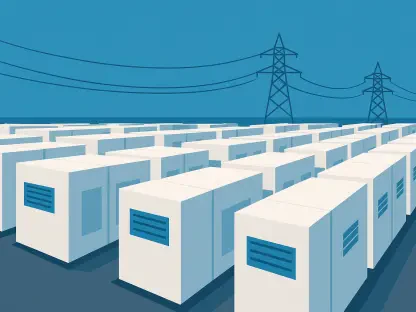
Texas is witnessing a surge in Virtual Power Plants (VPPs), where clusters of small-scale home batteries are treated as a single, large-scale resource. This trend is bolstered by ERCOT’s Aggregated Distributed Energy Resource (ADER) pilot program, which allows these residential assets to participate directly in the wholesale market. Instead of building a billion-dollar gas plant that only runs a few days a year, the grid can now tap into thousands of home batteries to shave off the peak demand, saving money for everyone involved.
Similar initiatives, such as the collaboration between GVEC and Base Power, demonstrate that deeply discounted hardware is a winning strategy for grid operators. By absorbing the capital expenditure of the battery, providers secure a dispatchable asset that hedges against market volatility and reduces the need for expensive new transmission infrastructure. This collective approach turns every participating household into a mini-power station, creating a more elastic and responsive energy ecosystem that can “breathe” with the needs of the population.
Navigating the Transition from Passive Consumer to Grid Prosumer
For homeowners looking to protect themselves from grid instability while lowering costs, the shift to a “prosumer” model requires a strategic approach to home energy management. The first step was evaluating whether a subscription-based model or a direct-purchase model aligned better with long-term financial goals. Once a system was in place, consumers had to understand the trade-offs of grid-balancing services: allowing a provider to manage battery discharge during peak times in exchange for lower rates and guaranteed backup power during emergencies.
Ultimately, the broader adoption of these technologies suggested that the next phase of the energy transition would involve the total integration of smart devices. Beyond just stationary batteries, the management of electric vehicle charging and smart thermostats became essential components of a household’s energy footprint. This comprehensive strategy not only stabilized individual homes but also provided the necessary flexibility for the Texas grid to remain functional under extreme stress, proving that the solution to a massive crisis could be found in the aggregated power of many small, local actions.