
The vast, humming labyrinth of the American electrical grid serves as the fundamental circulatory system for a nation that never sleeps, yet its continued operation hinges on a volatile subculture of itinerant laborers who inhabit the fringes of the traditional labor market. This sprawling masterpiece of engineering, a complex nervous system sustaining the heartbeat of modern civilization, fuels everything from life-saving medical devices to the digital infrastructure of the global economy. Yet, the individuals tasked with maintaining this volatile network—the power linemen—exist largely in the periphery of public consciousness until the lights go out and the silence of a blackout takes hold. Among these workers exists a specialized, high-stakes subculture known as “storm chasers,” who represent the outlaws of the grid. This renegade workforce thrives in the “Wild West” of utility restoration, operating under a set of rules that prioritize speed, grit, and massive financial windfalls over the steady predictability of suburban employment. This article explores their high-velocity lifestyle, the extreme physical dangers they face, and the shifting economic forces that currently threaten to dismantle their unique brand of financial independence.
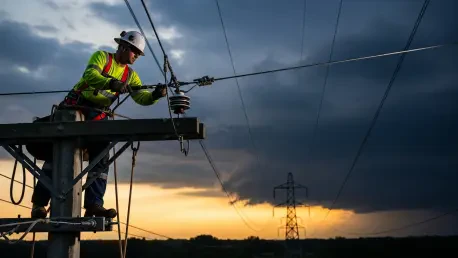
Understanding the market for electrical restoration requires a deep dive into the hidden guardians of the high-voltage frontier. These men and women are not merely technicians; they are industrial athletes who perform a high-stakes ballet in the clouds, often during the very weather events that send the rest of the population into shelters. The American grid is currently facing unprecedented pressure from aging infrastructure and increasingly frequent extreme weather events. In this environment, the storm chaser has transitioned from a niche contractor to an essential component of national resilience. However, the internal culture of this group remains fiercely resistant to the homogenization often seen in other technical trades. The tension between their “outlaw” identity and the encroaching corporatization of the utility sector defines the current state of the industry.
The Evolution of the Itinerant Lineman: From Vietnam Veterans to Modern-Day Pirates
The identity of the American lineman is deeply rooted in a tradition of rugged individualism and itinerant labor that stretches back to the earliest days of electrification. Historically, the profession became a sanctuary for Vietnam veterans who found it difficult to reintegrate into the rigid, often uninspiring structures of suburban life during the late twentieth century. The trade offered a familiar blend of high-stakes danger, intense camaraderie, and a clear, immediate mission: restore light where there is darkness. Over decades, this evolved into a distinct “outlaw” ethos that prizes mobility and technical mastery above all else. These workers, often referred to as “tramps” in industry parlance, travel the country in caravans of bucket trucks, following “The Money Channel”—their nickname for the Weather Channel—to wherever the next hurricane, blizzard, or wildfire strikes.
This nomadic lifestyle is not merely a byproduct of the work but a core component of the cultural identity. To be a “tramp” is to reject the safety of a local utility job in favor of the uncertainty and potential riches of the open road. These workers view themselves as modern-day pirates, chasing disaster to reap the rewards of a “Good Storm.” In the lexicon of the storm chaser, a “Good Storm” is one where the intersection of chaos and necessity creates a window for unprecedented earnings. The historical significance of this workforce cannot be overstated; they are the rapid-response force that prevents societal collapse when the physical infrastructure fails. Their evolution from a loose collection of skilled laborers into a highly organized, albeit renegade, industry segment reflects the broader American trend toward specialized, gig-based expertise in high-consequence environments.
The background factors that shaped this landscape remain relevant today as the grid faces a new era of instability. The foundational concepts of linework—working with “hot” wires, climbing poles in gale-force winds, and living out of trucks—have remained constant even as the technology around them has advanced. This consistency has allowed the “outlaw” spirit to survive in an era of increasing regulation and oversight. For the modern storm chaser, the history of the trade provides a blueprint for a life lived on the edge of the system, where the risks are literal and the rewards are tangible. Understanding this historical context is vital for grasping why the current shift toward corporate consolidation is being met with such fierce cultural resistance.
The Cultural Identity of the Storm Chaser: A Market Driven by Renegade Spirit
The Professional Archetype and the “Lineman’s Lineman”
The culture of storm chasing is defined by a specific aesthetic and a fierce sense of professional pride that borders on the religious. Industry veterans like Jerry Pack embody this archetype: tattooed, bearded, and fiercely independent, representing a rejection of the clean-cut corporate image. For these individuals, linework is not merely a job; it is a vocation that demands what many describe as “muscularity and balletic precision.” They often “drag up”—a term for quitting a stable, boring utility job without notice—to pursue the volatile but lucrative world of independent restoration. This lifestyle is built on a foundation of extreme brotherhood, forged in the crucible of “man camps” and military-style tent cities where hundreds of men live in close quarters between sixteen-hour shifts of grueling, life-threatening labor.
This renegade spirit is a critical aspect of the market’s labor supply. The industry relies on individuals who are willing to abandon their families and homes at a moment’s notice to head toward a disaster zone. The “lineman’s lineman” is someone who can work on energized lines with the calm of a surgeon while the world around them is literally falling apart. This professional pride creates a barrier to entry that ensures only those with the necessary psychological and physical fortitude survive. However, this same pride can lead to friction with corporate management, as the “outlaw” linemen prioritize the mission and their brotherhood over the bureaucratic red tape often found in large utility organizations. The cultural identity is thus both a strength that ensures reliability in crises and a potential point of failure in a consolidating market.
The internal social dynamics of these groups are also highly influential. The brotherhood extends beyond the worksite into a shared social life that often revolves around the nomadic nature of the work. When a major mobilization occurs, the sudden influx of thousands of high-earning men into a disaster-stricken area creates a unique micro-economy. This environment fosters a sense of being part of an elite, misunderstood group that exists outside the normal rules of society. The cultural markers of the trade—the specific tools, the clothing, and even the terminology—serve to reinforce this identity. For the storm chaser, the “outlaw” label is not a pejorative but a badge of honor that signifies their willingness to do the work that others cannot or will not do.
The Economic Allure of the “Good Storm” and High-Velocity Earnings
The financial structure of storm chasing is what truly sets these “outlaws” apart from the standard utility worker and creates a unique market dynamic. During major disaster mobilizations, such as those following significant hurricanes or widespread grid failures, experienced union linemen can earn upwards of $150 per hour. When working nearly twenty hours a day for weeks on end, a single storm can yield a payday of over $16,000 in a single week. This “run-and-gun” model allows workers to earn a year’s salary in a few months, granting them a level of freedom and upward mobility rarely seen in other blue-collar trades. This surge in income allows for a lifestyle characterized by high-end trucks, expensive gear, and the ability to take several months off between assignments.
However, this wealth comes at a significant cost and attracts unwanted attention that can disrupt the trade’s traditional anonymity. The viral “bucket bunny” phenomenon on social media platforms like TikTok, where local women seek out high-earning linemen in disaster zones, has brought a level of scrutiny to the industry that many veterans find distasteful. This phenomenon highlights the intersection of sudden wealth and the transient nature of the workforce. From a market perspective, the high earnings serve as the primary incentive for labor during peak demand periods. Without the promise of these massive payouts, it is unlikely that the industry could mobilize the thousands of workers necessary to restore power after a major event.
The economic reality of the storm chaser is one of “feast or famine.” While a “Good Storm” can set a family up for the year, the periods between storms can be lean and filled with uncertainty. This volatility necessitates a high degree of financial literacy and personal discipline, though the culture often encourages the opposite. The sudden influx of cash into a worker’s bank account can lead to cycles of boom and bust that mirror the weather patterns they follow. This economic model is currently under threat as utilities seek to stabilize costs through longer-term contracts and the use of aggregators, which can suppress the peak earnings that have historically drawn the “outlaws” to the trade.
The High Stakes of Energized Work and Safety Contention
Despite the financial rewards, the “outlaw” lifestyle is shadowed by the constant, looming threat of death. A primary point of contention in the industry is the pressure to work on “energized” lines. When utility companies keep lines live during repairs to avoid losing revenue from downstream meters, the risk to the lineman increases exponentially. The tragedy in Seminole, Florida, where a young father was killed by a 69,000-volt surge during a routine operation, serves as a grim reminder of the tension between corporate profitability and worker safety. In this industry, there is a chillingly common saying: “They’ll post your job before they post your obituary,” highlighting the perceived disposability of the men on the poles in the eyes of the larger corporate entities.
The risk management strategies employed by independent crews often differ from those mandated by large corporations. While the “outlaws” pride themselves on their ability to work safely in dangerous conditions, the push for speed during a storm restoration can lead to the bypassing of safety protocols. This creates a complex legal and ethical landscape where the responsibility for a fatality is often buried under layers of subcontracts and independent agreements. The market for safety equipment and training is growing, but it often lags behind the reality of the work being performed in the field. The constant threat of electrocution, falls, and equipment failure is the price paid for the high wages and the “outlaw” lifestyle.
Furthermore, the psychological toll of this danger cannot be ignored. Linemen often suffer from chronic stress and physical ailments related to the grueling nature of the work. The “outlaw” culture often discourages the acknowledgment of these issues, leading to a “tough it out” mentality that can exacerbate long-term health problems. As the grid becomes more complex and the demand for rapid restoration grows, the physical and mental demands on the workforce are only increasing. Addressing these risks requires a fundamental shift in how the value of restoration is calculated, moving away from a purely financial metric to one that accounts for the human cost of keeping the lights on.
The Corporatization of the Wild West: A Shifting Power Dynamic
The landscape of the American grid is currently undergoing a seismic shift as private equity firms and global financial giants like BlackRock and Blackstone enter the fray, seeking to turn utility restoration into a predictable, high-yield asset class. This transition from a mutual-aid model—where utilities helped one another through cooperative agreements—to a private, “aggregator” model is fundamentally changing the trade. These aggregators act as powerful middlemen, managing thousands of linemen through a single contract and providing a centralized point of contact for major utilities. While this offers logistical efficiency for the utilities, it introduces a layer of corporate bureaucracy that often squeezes the profits of independent, lineman-owned businesses.
This corporatization represents a move away from the “Wild West” era of individual contractors and small, family-owned crews. The entry of private equity brings a focus on shareholder returns and vertical integration, which can conflict with the traditional priorities of the storm chaser. For example, an aggregator may prioritize the lowest-cost crew over the most experienced one, leading to a decrease in the overall quality of restoration work and an increase in safety risks. The financialization of the grid means that the men on the poles are now part of a much larger, more complex economic machine that values efficiency on a balance sheet over the “renegade spirit” of the workforce. This shift is leading to a steady drumbeat of fatalities and a documented increase in the length of power outages across the country, as the focus shifts toward cost-cutting and consolidation.
Moreover, the aggregator model has changed the way contracts are awarded. In the past, a crew’s reputation and local relationships were their most valuable assets. Today, the ability to navigate complex digital bidding platforms and meet stringent corporate compliance requirements is often more important. This transition favors larger, well-funded organizations over the small “outlaw” outfits that have historically provided the bulk of the storm-chasing labor. The resulting market consolidation is driving many independent operators out of the business or forcing them to work under the umbrella of larger entities, further eroding the independence that once defined the trade. This trend is expected to continue as the demand for grid modernization and resilience grows, attracting even more institutional capital into the sector.
The impact on the consumer is also significant. While the aggregator model promises efficiency, the reality of increased outage lengths suggests that the loss of experienced, independent crews is having a negative effect on grid reliability. When a storm strikes, the local knowledge and rapid-response capabilities of the “outlaws” are often more effective than the centralized management of a distant corporation. However, the financial incentives for utilities favor the aggregator model, creating a misalignment between the goals of the infrastructure owners and the needs of the public. This tension is a key feature of the modern utility market and will likely lead to increased regulatory scrutiny as the human and economic costs of power outages continue to rise.
Navigating the New Economic Reality: Survival Strategies for the Modern Lineman
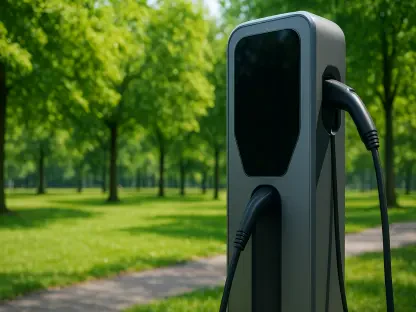
For the modern lineman, the “Golden Age” of the independent storm chaser appears to be fading, replaced by a more regulated and financially constrained environment. To survive in this new reality, workers and small business owners must adapt to a world of lower mobilization rates, stricter corporate oversight, and a shifting demand for their skills. The strategies for success are moving away from pure “storm chasing” toward diversifying into infrastructure modernization and international restoration projects. For example, some crews are finding lucrative work in the ongoing effort to upgrade the grid to support renewable energy and electric vehicle charging, which requires a more sustained, long-term commitment than the “run-and-gun” storm model.
Understanding this shift is crucial for both the professional lineman and the utility consumer. The reliability of the American grid is increasingly tied to a workforce that is being squeezed by the same financial systems that manage their retirement funds. Navigating this future requires a renewed focus on safety standards and a recognition of the human cost required to keep the lights on. Many linemen are now pursuing advanced certifications and specialized training to make themselves indispensable in a market that is increasingly valuing technical expertise over raw grit. This professionalization of the trade is a double-edged sword; it may lead to better safety and more stable employment, but it also signals the end of the “outlaw” era.
Strategic diversification is becoming the hallmark of the successful modern utility contractor. Rather than waiting for the next hurricane, forward-thinking business owners are securing contracts for fiber optic installation, substation maintenance, and international grid reconstruction projects. This approach provides a more stable revenue stream and reduces the reliance on the volatile “Money Channel.” Furthermore, some independent linemen are forming cooperatives to compete with the large aggregators, leveraging their collective expertise and reputation to secure better terms. These new models of organization suggest that while the “outlaw” spirit may be under threat, it is far from dead; it is merely evolving to meet the challenges of a more complex and corporate-dominated market.
The role of technology in this transition cannot be overlooked. From drone-based inspections to advanced grid management software, the tools available to the modern lineman are more sophisticated than ever before. Those who embrace these technologies can offer a higher level of service and efficiency, making them more attractive to the large utilities and private equity-backed firms that now control the market. However, the cost of adopting these technologies can be a barrier for smaller operators, further contributing to market consolidation. The future of the trade will likely be defined by a split between high-tech, corporate-aligned crews and a dwindling number of independent “outlaws” who continue to operate on the fringes of the system.
The Precarious Future of the Grid: A Narrative of Labor at a Crossroads
The story of the American lineman is a narrative of labor at a crossroads, where the traditional values of a rugged trade are being tested by the relentless march of financialization and corporate consolidation. These “outlaws” of the grid have long been the essential heroes of our infrastructure, braving lethal conditions to restore order to chaos and ensuring that the modern world continues to function. However, as the “renegade spirit” is tamed by private equity and the aggregator model, the very nature of the profession is at risk. The transition of the electrical grid into a purely financial asset may yield efficiency on a balance sheet, but it threatens the safety, the soul, and the ultimate effectiveness of the workforce.
As the economic ground shifts, the row of bucket trucks waiting for the next storm stands as a testament to a breed of worker that remains indispensable, even as the frontier they once ruled begins to close. The future of the grid will depend on finding a balance between the logistical benefits of corporatization and the essential expertise and grit of the independent lineman. If the industry continues to prioritize short-term shareholder returns over long-term worker safety and grid resilience, the consequences for the nation could be severe. The outlaws of the grid are not just a colorful subculture; they are a vital component of the country’s defense against the elements and the failures of our own technology.
Ultimately, the market analysis of the utility restoration sector reveals a complex interplay of culture, economics, and safety. The rise of the storm chaser was a response to the inherent volatility of the grid, providing a flexible and highly skilled labor force that could react to any disaster. The current attempt to rationalize and corporatize this workforce is a grand experiment in managed risk, but it carries the potential for significant unintended consequences. As we look toward the future, the resilience of the American electrical system will be measured not just by the strength of its wires and poles, but by the health and vitality of the men and women who risk their lives to maintain them.
Strategic insights for the industry suggest a need for a return to a more collaborative model that values the expertise of the “outlaws” while providing the stability and safety oversight of modern corporate structures. This would involve creating clearer career paths for young linemen, investing in safer “de-energized” work practices, and ensuring that the financial rewards of the trade are fairly distributed among those who do the actual labor. For the consumer, the takeaway is a heightened awareness of the fragility of the systems we take for granted and the human cost of the power that fuels our lives. The era of the “outlaw” of the grid may be changing, but the necessity of their work remains as constant as the current flowing through the lines.
Strategic Realignment and the Path Forward for Grid Resilience
The analysis of the American electrical grid and its specialized workforce revealed a sector in a state of profound transition. It was found that the historical reliance on a rugged, itinerant workforce of “outlaws” provided a necessary rapid-response capability that saved the national infrastructure during countless weather disasters. However, this model entered a period of tension as private equity and corporate aggregators sought to standardize and financialize the restoration process. The data indicated that while these corporate entities brought logistical efficiency, they often introduced new risks by prioritizing profit margins over the safety protocols and peak earnings that historically motivated the most experienced linemen. The transition from a mutual-aid model to a market-driven aggregator system was shown to correspond with an increase in both worker fatalities and the duration of power outages, suggesting a misalignment between financial goals and grid reliability.
Market participants responded to these changes by diversifying their skill sets and exploring new economic frontiers beyond traditional storm chasing. Independent operators shifted their focus toward long-term infrastructure modernization and international restoration projects, seeking to escape the “feast or famine” cycle of the storm-driven market. It was also noted that the cultural identity of the “lineman’s lineman” remained a powerful force, resisting the homogenization of the trade and maintaining a high barrier to entry based on grit and technical mastery. The viral scrutiny of the profession through social media further complicated the social dynamics of the workforce, bringing public attention to a subculture that previously operated with a high degree of autonomy and anonymity.
In the future, stakeholders must prioritize the integration of advanced safety technologies with the traditional expertise of the independent workforce. There was a clear need for a standardized, transparent reporting system for injuries and fatalities that could hold large contractors and utilities accountable for the human cost of their operations. Furthermore, the industry would benefit from a renewed emphasis on “de-energized” work practices, even if it meant a temporary loss of revenue for utility companies, to prevent tragedies like the one seen in Seminole, Florida. The financial structures of the industry should be realigned to ensure that the massive profits generated during disaster mobilizations are reinvested into worker training and long-term grid resilience rather than just shareholder dividends.
Finally, the resilience of the grid was seen as being inextricably linked to the well-being of its human operators. Policymakers and utility executives should consider the creation of more stable, long-term employment models that retain the flexibility of the storm-chaser system without the extreme volatility and neglect of worker health. By fostering a market that values the “renegade spirit” while providing modern safety and financial protections, the industry can ensure that a new generation of skilled linemen is ready to meet the challenges of a more turbulent climate. The row of bucket trucks waiting for the next storm serves as a reminder that while the economic landscape changed, the fundamental need for brave, skilled labor remained the bedrock of American infrastructure.