
The transformation of regional transportation networks often hinges on the delicate balance between environmental ambition and the practical realities of infrastructure development within dense urban centers. Bihar is currently navigating this transition by implementing a strategic subsidy framework designed to catalyze the adoption of electric vehicles through the aggressive expansion of charging networks. The state government has established a clear objective to ensure that thirty percent of all new vehicle registrations consist of electric models by 2030, a goal that necessitates a fundamental shift in how energy is distributed to commuters. By offering to cover up to seventy-five percent of the initial installation costs for charging stations, the administration seeks to dismantle the persistent barrier of range anxiety that has historically discouraged potential buyers. This financial commitment serves as a foundation for a broader ecological shift, moving away from a total reliance on internal combustion engines toward a more sustainable and electrified future for the local economy.
Strategic Incentives for Diverse Charging Infrastructure
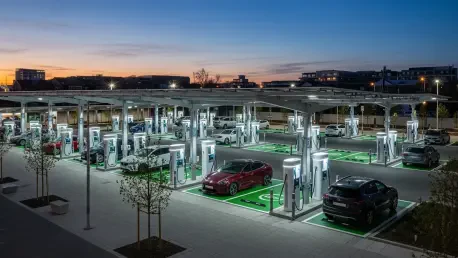
The current policy framework utilizes a tiered incentive structure that specifically targets different hardware specifications to ensure a versatile and resilient energy network. For the initial rollout of four hundred and fifty slow or medium alternating current chargers, individual applicants can access subsidies of up to seventy-five thousand rupees per unit, making smaller installations more accessible for local entrepreneurs. As the need for faster turnaround times increases, the government has allocated higher-capacity support for fast alternating current and medium-capacity direct current chargers, with financial assistance reaching as high as two hundred and twenty-five thousand rupees per unit. These incentives are not merely for private entities; they are designed to encourage state corporations, urban local bodies, and public sector undertakings to leverage their existing land holdings for the creation of public charging hubs. This multi-layered approach ensures that high-traffic areas and transit corridors receive the high-power infrastructure necessary to support commercial fleets and long-distance travel across the region.
Integrating Residential Solutions for Long-Term Sustainability
While public infrastructure remains a critical component of the strategy, the government is simultaneously addressing the residential sector to ensure that home charging becomes a standard feature of modern living. Housing societies, residential complexes, and welfare associations are now being incentivized to integrate private charging stations into their facilities, provided they can accommodate a minimum of five parking spaces. This focus on the domestic environment acknowledges that the majority of vehicle charging occurs during overnight hours, reducing the strain on the public grid during peak times while providing unparalleled convenience for the average consumer. By bridging the gap between public utility expansion and private residential needs, the state is effectively creating a unified ecosystem that supports the lifecycle of an electric vehicle from the garage to the highway. These measures were finalized with the intent of reducing urban pollution levels and establishing a reliable template for other regions to follow as they transition toward greener transportation technologies.