
Perched at a staggering elevation of 14,100 feet in the rugged terrain of Daofu County within Sichuan Province, the Daofu Pumped-Storage Power Station represents a monumental shift in how modern civilizations manage the inherent instability of renewable energy sources. This massive facility, currently under intensive development as a cornerstone of regional energy strategy, functions as a colossal “water battery” designed to solve the critical mismatch between when green energy is produced and when it is consumed by the public. As the world transitions away from fossil fuels, the ability to store vast quantities of electricity becomes just as important as the ability to generate it, making this high-altitude project a vital test case for global energy security. By utilizing the dramatic natural elevation of the Tibetan Plateau, engineers are creating a system that can respond to grid fluctuations in real-time, ensuring that the surge of power from wind and solar farms does not go to waste during periods of low demand.
The Mechanics and Purpose of Pumped Storage
Managing Energy Fluctuations: The Power of Gravity
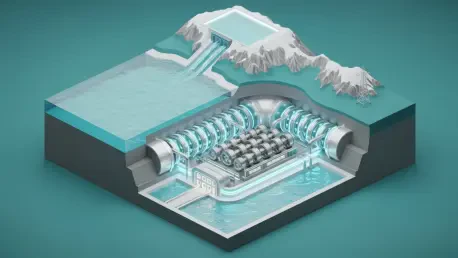
The fundamental operation of the Daofu facility relies on a closed-loop system that moves water between two massive reservoirs at different elevations to store and release energy on demand. During the daylight hours or windy nights when solar panels and wind turbines produce more electricity than the grid requires, this surplus power drives massive pumps to push water from a lower reservoir up to an upper one. This process effectively converts electrical energy into potential gravitational energy, holding it in reserve until the city lights flicker on and industrial activity peaks. When the grid experiences a surge in demand, the gates are opened, allowing the stored water to rush down through deep mountain tunnels, spinning high-capacity turbines that generate electricity instantaneously. This elegant mechanical solution provides a level of reliability that chemical batteries currently struggle to match at such a massive utility scale, offering a proven method for stabilizing the regional power supply.
This specific application of pumped storage is crucial for the modern grid because it provides “black start” capabilities and frequency regulation that intermittent sources like solar cannot offer alone. Beyond just storing energy, the facility acts as a giant shock absorber for the electrical system, smoothing out the sudden drops in production that occur when clouds pass over solar arrays or when the wind dies down unexpectedly. The dual-reservoir design ensures that the water is recycled within the system, minimizing the environmental impact on local river ecosystems while maximizing the efficiency of every gallon used. By decoupling the timing of energy generation from the timing of consumption, the project allows for a much higher penetration of renewables into the Sichuan power mix. This flexibility is essential for a province that serves as a major industrial hub, where a stable and continuous flow of electricity is the lifeblood of both manufacturing and daily residential life.
Bridging the Gap: The Role of Storage in Modern Grids
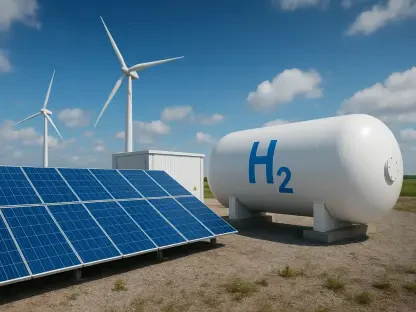
As the global energy landscape evolves in 2026, the integration of long-duration storage has moved from a theoretical necessity to a practical requirement for grid operators. The Daofu project addresses the “duck curve” phenomenon, where solar production peaks at midday while demand peaks in the evening, by providing a massive buffer that can be deployed exactly when needed. This strategic placement in the high-altitude reaches of Sichuan allows the facility to tap into the vast wind and solar resources of the plateau, capturing energy that would otherwise be curtailed or lost. The ability to store 12.6 million kilowatt-hours daily means that the grid can maintain a steady equilibrium, preventing the rolling blackouts or price spikes that often plague systems over-reliant on variable energy sources. This infrastructure represents a shift toward a more resilient and self-sustaining energy architecture that can withstand the pressures of peak summer cooling and winter heating cycles.
Furthermore, the station serves as a critical node in a larger network of clean energy projects along the Yalong River basin, creating a diversified portfolio of power generation. By balancing the variable output of nearby wind farms with the steady, controllable release of hydropower, the system creates a “firm” energy product that is as reliable as traditional coal or gas-fired plants. This synergy is the key to achieving deep decarbonization without compromising the stability of the industrial sector. The project demonstrates that the challenge of the energy transition is not just about building more turbines or panels, but about creating the sophisticated management systems required to weave these disparate sources into a cohesive whole. Through this integration, the high-altitude battery becomes a primary tool for managing the complex logistics of modern electricity distribution, proving that geography can be leveraged to overcome the technical limitations of renewable power.
Technical Foundations and High-Altitude Hurdles
Building a Massive Infrastructure: Engineering Beneath the Mountain
The sheer scale of the Daofu project is reflected in its installed capacity of 2.1 gigawatts, a figure that places it among the most powerful storage facilities in the world. To achieve this, engineers have designed a complex subterranean network that includes a massive powerhouse carved directly into the mountain’s granite core, housing six reversible pump-turbine units each capable of generating 350 megawatts. This underground approach protects the sensitive machinery from the extreme surface weather conditions while utilizing the natural pressure head provided by the vertical distance between the reservoirs. The construction involves excavating miles of water conveyance tunnels and high-pressure penstocks, requiring precision blasting and advanced boring techniques to navigate the complex geological formations of the plateau. With an investment exceeding $2 billion, the project is a testament to the commitment required to build durable, long-term infrastructure that will serve the region for decades.
In addition to the generation units, the facility incorporates advanced digital control systems that allow for rapid switching between pumping and generating modes, often within a matter of minutes. This responsiveness is vital for a grid that must react to the unpredictable nature of modern energy markets and weather patterns. The infrastructure also includes surface switchyards and dual reservoirs that have been engineered to withstand the seismic activity common in the mountainous regions of western China. Every component, from the massive steel turbines to the reinforced concrete linings of the tunnels, must meet rigorous standards to ensure the safety and longevity of the station. By concentrating the bulk of the machinery deep underground, the project minimizes its footprint on the alpine landscape while creating a high-efficiency energy hub that can operate continuously regardless of surface environmental conditions, setting a high bar for future energy projects.
Navigating the Frontiers: The Challenges of Extreme Elevation
Constructing a facility of this magnitude at 14,100 feet introduces physical and logistical obstacles that would be unimaginable at sea level, forcing engineers to pioneer new construction methods. The atmospheric pressure at this altitude is roughly sixty percent of what is found at lower elevations, which significantly reduces the oxygen available for human workers and the efficiency of internal combustion engines used in heavy machinery. Workers must undergo rigorous health screenings and acclimatization periods, while the site is equipped with specialized medical facilities to manage altitude-related illnesses. The thin air also affects the cooling of electrical components, requiring oversized ventilation systems and specialized insulation to prevent equipment from overheating despite the cold external environment. These conditions turn routine tasks into complex operations, where every movement must be calculated to preserve the energy of the workforce and the integrity of the equipment.
Beyond the physiological demands, the harsh alpine climate dictates a truncated construction schedule characterized by long, brutal winters and short windows of workable weather. Freezing temperatures can turn soil into permafrost, making excavation and concrete pouring exceptionally difficult, while sudden blizzards can cut off transport routes to the remote site. To combat these issues, the project management team has implemented a highly modular construction approach, pre-fabricating many components in lower-altitude workshops before transporting them to the summit. The lack of global precedent for a pumped-storage station at this height means that many of the engineering solutions are being developed on-site in real-time. Project directors have described the mission as highly exploratory, as they must account for unique variables such as the impact of lower air density on the performance of the massive pump-turbines, effectively turning the Daofu site into a living laboratory for high-altitude civil engineering.
Strategic Impact and Future Integration
Evaluating Local Benefits: Powering Millions of Homes
The practical impact of the Daofu station is best understood through its ability to satisfy the daily electricity needs of approximately two million households within Sichuan Province. This massive contribution provides a vital safety net for residential consumers, particularly during peak evening hours when home appliances and lighting systems create a heavy load on the regional grid. By storing surplus energy during off-peak times, the facility ensures that there is always a reliable reserve of power available to prevent the instabilities that can lead to brownouts or service interruptions. While the industrial and commercial sectors consume far more energy than residential areas, the ability of a single facility to anchor the power needs of such a large population highlight its role as a fundamental piece of public infrastructure. It transforms the variable output of remote wind and solar farms into a dependable resource that directly improves the quality of life for millions.
Moreover, the annual output of nearly 3 billion kilowatt-hours provides a significant boost to the region’s green energy credentials, displacing the need for coal-fired peaking plants that would otherwise be required to balance the grid. This reduction in carbon emissions is a critical component of the provincial strategy to meet environmental targets while maintaining economic growth. The project also brings economic development to the remote Daofu County, creating high-tech jobs in the energy sector and improving local infrastructure, such as roads and communications networks. By situating such a high-value asset in a traditionally underdeveloped region, the government is fostering a new economic model where remote geographic features—like high-altitude basins—become valuable contributors to the national economy. This localized benefit is a key driver for the project, demonstrating how large-scale renewable energy infrastructure can provide both environmental sustainability and regional economic stability through strategic investment.
Strengthening the Grid: Integrated Transmission and Regional Flow
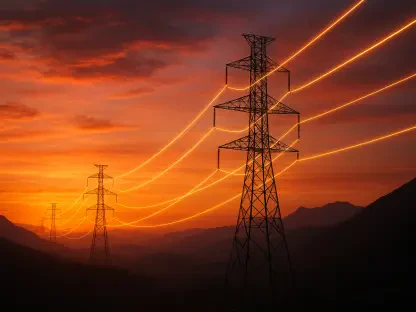
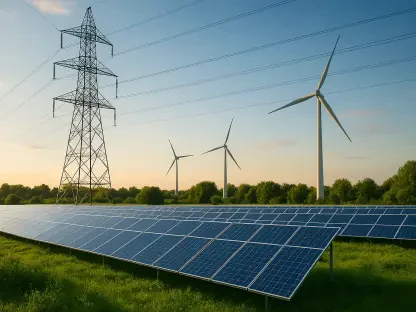
For the Daofu “water battery” to be effective, the energy it stores must be transported across hundreds of miles of rugged terrain to reach the major urban centers like Chengdu. This necessitates the integration of the facility into a sophisticated transmission network featuring 500-kilovolt and 1,000-kilovolt ultra-high-voltage channels. These advanced lines are designed to carry electricity over long distances with minimal loss, acting as the high-speed highways for the energy stored in the mountains. This connectivity allows the pumped-storage station to serve as a central hub for the Yalong River basin energy base, where it can absorb excess production from dozens of scattered wind and solar farms and redirect it to the cities where it is most needed. The coordination between the storage site and the transmission network is managed by artificial intelligence systems that predict demand and optimize the flow of power, ensuring the highest possible efficiency for the entire regional system.
This integrated approach represents the future of grid management, where remote storage facilities are no longer isolated assets but are part of a synchronized, intelligent energy ecosystem. By linking the high-altitude plateau with the lowland industrial zones, the project overcomes the geographical barriers that have historically limited the expansion of renewable energy. The ultra-high-voltage lines provide the necessary “muscle” to move gigawatts of power, while the Daofu station provides the “brain” and “stamina” to regulate that power over time. As more variable sources are added to the grid, the importance of this integrated transmission and storage strategy will only grow, providing a blueprint for other mountainous regions around the world. The project proves that with the right combination of storage capacity and transmission technology, even the most remote and challenging environments can be transformed into the primary powerhouses of a modern, sustainable civilization, bridging the gap between nature and the urban world.
The Daofu pumped-storage hydropower project established a new benchmark for what was possible in renewable energy infrastructure by successfully operating at the limits of human engineering. This facility provided a definitive answer to the challenges of grid stability, demonstrating that high-altitude geography could be turned into a strategic asset for energy storage. By integrating this massive “water battery” into a sophisticated transmission network, engineers solved the persistent problem of solar and wind intermittency for a major industrial region. Moving forward, the lessons learned from this exploratory mission should be applied to future high-altitude projects to further diversify the global energy mix. Stakeholders must prioritize the development of similar long-duration storage assets to ensure that the transition to clean energy remained both reliable and economically viable. The success of this station offered a clear path toward a more resilient power architecture that balanced technological innovation with environmental stewardship.