
The North American power grid enters the 2024 summer season with a bolstered level of reliability that stands in stark contrast to the precarious conditions observed during recent extreme weather events. This improvement is primarily the result of a significant expansion in generating capacity, which has finally managed to outpace the rapid rise in consumer and industrial electricity consumption across the continent. While the transition toward a cleaner energy mix continues to present logistical hurdles, the influx of nearly 58 GW of new resources provides a critical safety net against the record-breaking temperatures that have become increasingly common during the peak months. However, this seemingly stable outlook is complicated by a muddled demand forecasting environment, where the massive growth of high-density computational facilities creates a disconnect between projected energy needs and the actual pace of hardware integration on the primary electrical system. This trend requires a more nuanced approach to resource planning and operational readiness in the years ahead.
Resource Growth: Strengthening Regional Resilience
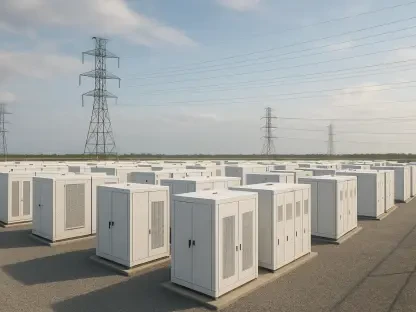
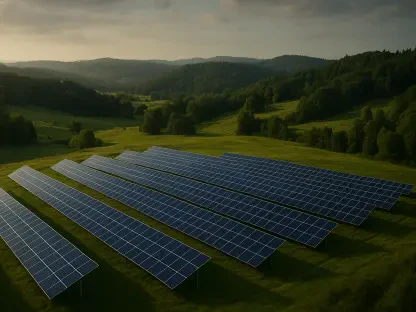
The primary catalyst behind this heightened sense of grid stability is a robust wave of new generation assets that have been brought online to meet burgeoning needs. Specifically, the addition of 16 GW of solar power and 15 GW of battery storage represents a pivotal shift in how peak loads are managed, offering flexible capacity that can be dispatched when traditional thermal units face operational constraints. Furthermore, 7 GW of natural gas capacity and various nuclear maintenance completions have reinforced the baseline supply, allowing systems that were once under extreme pressure to breathe more easily. For instance, the Midcontinent Independent System Operator and the Electric Reliability Council of Texas have seen their risk status downgraded from elevated to normal. This transition demonstrates that when infrastructure investment aligns with long-term planning, the immediate threat of widespread outages during heatwaves can be significantly mitigated through the sheer volume of available resources and better storage.
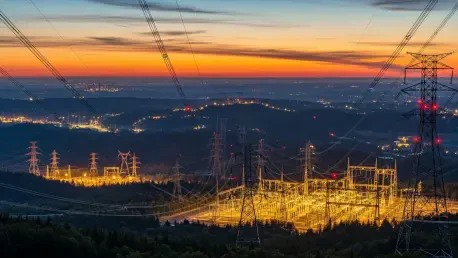
Despite the broad improvements seen across the national landscape, certain geographic pockets continue to face localized vulnerabilities that require constant vigilance from regional operators. New England remains a point of concern due to a lack of firm energy import commitments, making it susceptible to supply shortages if neighboring regions experience simultaneous peak demand. Similarly, the Northwest is navigating a delicate balance as persistent drought conditions limit the output of its hydroelectric fleet while summer cooling demands continue to climb. In West Texas, the situation is further complicated by the explosive growth of the oil and gas sector and a lack of transmission infrastructure, which prevents the efficient movement of power from wind-rich areas to load centers. These regional disparities highlight that while the aggregate numbers for North America look promising, the reliability of the grid is often dictated by the specific constraints of local transmission and the environmental conditions unique to those territories during times of stress.
Computational Loads: The Forecasting Challenge
A defining characteristic of the current energy landscape is the emergence of large-scale computational loads, particularly data centers, which have introduced a layer of unpredictability into standard forecasting models. These facilities represent a massive surge in future energy requirements, yet the speed at which they are physically connecting to the bulk power system has been slower than many initial estimates suggested. This lag has created a “muddled” forecasting scenario where grid operators must constantly revise their near-term projections to account for delayed project timelines. For example, some major markets have had to scale back their peak load estimates by several gigawatts as it became clear that the expected massive influx of server farms would not be fully operational by the height of the summer. This discrepancy between anticipated and actual load growth provides a temporary reprieve for supply margins but complicates long-term resource procurement and investment strategies.
Beyond the sheer volume of energy they consume, data centers pose unique operational risks due to the volatile nature of their power usage patterns. NERC has identified instances where these large computational loads have dropped unexpectedly or caused rapid oscillations in demand, which can threaten the stability of the entire interconnected system if not managed with precision. These fluctuations often occur without warning, requiring grid operators to maintain higher levels of spinning reserves and implement more sophisticated automated response systems. This behavior underscores the need for better communication between facility managers and utility providers to ensure that the grid can absorb sudden shifts in consumption. As the industry moves forward, the focus is shifting from simply having enough total capacity to ensuring that the power being consumed is predictable and that the resources available can react quickly enough to maintain the delicate frequency balance of the bulk system.
Shifting Risk: Adapting to New Seasonal Realities
One of the more alarming trends identified in the 2024 assessment is the gradual migration of reliability risks from the traditional peak summer and winter months into the shoulder seasons. Historically, spring and fall were considered safe periods for taking large power plants offline for essential maintenance, as demand typically remained low and weather conditions were mild. However, the increasing frequency of unseasonal heatwaves has disrupted this traditional schedule, creating dangerous “maintenance overlaps” where high demand coincides with a significant portion of the generation fleet being unavailable. This shift suggests that the old paradigms of reliability planning are no longer sufficient, as the grid is now vulnerable to outages even when overall energy supply appears adequate on paper. Operators are now being forced to reevaluate how they schedule outages and are increasingly looking for ways to perform maintenance without taking entire units offline for extended periods.
The findings of the 2024 summer assessment necessitated a fundamental shift in how utility leaders and policy makers approached long-term grid strategy. It became clear that while the massive deployment of solar and storage resources successfully bolstered the immediate supply, the long-term solution required more than just adding raw capacity. Stakeholders recognized the urgent need for enhanced transmission infrastructure to alleviate bottlenecks in regions like West Texas and New England. Furthermore, the industry prioritized the development of more granular demand-side management programs that could better integrate the erratic behavior of large-scale computational facilities. By focusing on improved forecasting techniques and creating more flexible maintenance schedules, operators moved toward a year-round reliability model. These actions provided a blueprint for future grid management, emphasizing that resilience depended on the ability to adapt to changing consumption patterns and unpredictable weather cycles.