
As the demand for electricity surges across the Keystone State, the aging infrastructure is reaching its breaking point, forcing legislators to look beyond traditional steel and wire solutions toward advanced digital frameworks.
The Core Objectives of House Bill 2223 and Grid Innovation
Pennsylvania is navigating a transition in energy management, moving toward Advanced Transmission Technologies to replace outdated physical expansions. House Bill 2223 serves as a catalyst, aiming to reconcile rising power demands with the prohibitive costs of legacy upgrades. By mandating feasibility studies, the state intends to unlock hidden capacity within the grid without burdening consumers with unnecessary construction fees.
Background: The Urgent Need for a Resilient Electrical Infrastructure
The existing electrical backbone faces significant limitations, as traditional expansion methods often prove too slow to meet modern needs. This legislative push led to the unanimous passage of House Bill 2223 in the House, marking a rare moment of political alignment. For major entities like PPL Electric and PECO Energy, this shift necessitates a reevaluation of how power moves, placing the state at the forefront of national modernization efforts.
Research Methodology, Findings, and Implications
Methodology
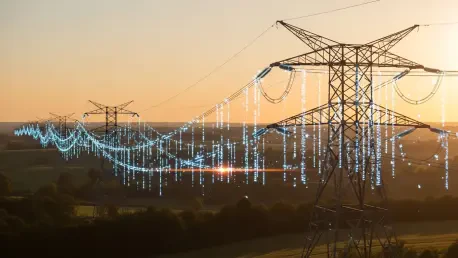
The legislative framework tasks the Public Utilities Commission with oversight of how utilities evaluate technical options. Engineers must conduct assessments of Grid-Enhancing Technologies, focusing on tools like dynamic line ratings and topology optimization. These evaluations compare high-performance conductors against traditional hardware to determine the most reliable path for future transmission.
Findings
Stakeholders agree these technologies represent a “no-regrets” path for grid stability. Research shows that these tools have transitioned from experimental pilots to proven systems capable of handling real-world loads. By optimizing existing lines, utilities can increase electricity volume and reduce outages without the invasive nature of large-scale construction projects.
Implications
This shift offers protection for ratepayers by mitigating the financial impact of unnecessary infrastructure spending. Enhanced transparency ensures utilities remain accountable to the public, focusing on efficiency rather than just physical growth. Pennsylvania’s adoption sets a regional precedent, influencing how neighboring states approach their own modernization challenges.
Reflection and Future Directions
Reflection
Integrating software-heavy solutions into a hardware-centric industry presented unique cultural hurdles for legacy utilities. Bipartisan cooperation proved essential in navigating these complexities, ensuring ambition remained grounded in economic reality. However, long-term success will depend on whether the state can effectively enforce implementation after the research phase ends.
Future Directions
An optimized grid provides a flexible platform for integrating renewable energy sources like wind and solar. Future research must prioritize cybersecurity for power flow controllers and the durability of advanced conductors under extreme weather. The Senate must now maintain this momentum to transform theoretical studies into tangible upgrades.
Conclusion: A Strategic Shift Toward Pennsylvania’s Energy Future
The legislative focus on modernizing the electrical backbone offered a transformative vision for a state struggling with aging infrastructure. House Bill 2223 established a framework that prioritized technological agility over outdated construction models. Ultimately, Pennsylvania positioned itself as a leader in the national movement, proving that innovation could bridge the gap between reliability and future demand.