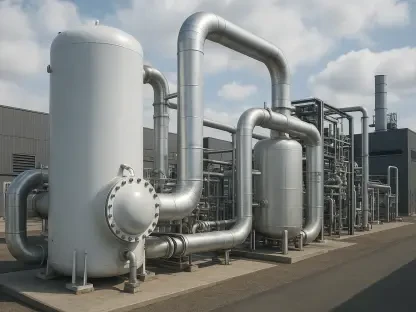

The relentless heat radiating from the Earth’s core represents a vast, untapped battery that could fundamentally redefine the stability of the North American power grid. As the American West grapples with the triple pressure of surging electricity demand, retiring coal plants, and a climate that makes traditional hydropower increasingly unpredictable, the search for a “firm” clean energy source has intensified. While solar and wind have successfully decarbonized significant portions of the grid, their inherent intermittency leaves a gap that must be filled to prevent blackouts during peak demand. Geothermal energy, once a niche resource confined to specific volcanic regions, is now emerging as a scalable, high-capacity solution capable of providing carbon-free electricity twenty-four hours a day.
Unlocking the Heat Beneath the Heartland
The current energy landscape in the West is at a critical juncture where the promise of a green transition meets the harsh reality of industrial growth. Rapid population expansion and the construction of massive AI data centers have created a hunger for power that intermittent renewables struggle to satisfy alone. Consequently, policymakers and energy developers are looking downward, recognizing that the geological characteristics of the Western United States offer a unique competitive advantage. By tapping into the thermal energy stored just a few miles beneath the surface, the region can move toward a state of energy superabundance, where electricity is not only clean but also incredibly reliable and locally sourced.
From Niche Hot Spots to a Scalable Energy Revolution
For nearly half a century, geothermal energy was viewed as a geographic lottery, restricted to rare locations where underground water naturally interacted with hot rock near the surface. The Geysers in California stood as a lonely testament to this potential, while the rest of the country remained largely out of reach for traditional hydrothermal technology. However, the maturation of the shale revolution in the oil and gas sector changed the calculus entirely. Innovations in directional drilling and hydraulic fracturing have been repurposed to create artificial reservoirs in hot, dry rock, effectively decoupling geothermal potential from specific geological anomalies and making it a viable prospect across the entire Western corridor.
This historical pivot from discovery to engineering has transformed the sector’s outlook. Instead of searching for the perfect natural steam vent, engineers can now engineer the subsurface to extract heat wherever the crust is sufficiently thin. This shift is not merely a technical upgrade; it is a fundamental rebranding of geothermal energy as a manufactured resource rather than a discovered one. By leveraging the existing expertise of the fossil fuel industry, the West is positioned to lead a transition that keeps energy workers employed while transitioning the grid to a more sustainable foundation.
The Technological Leap and Regional Leadership
Harnessing Subsurface Innovation Through Enhanced Geothermal Systems
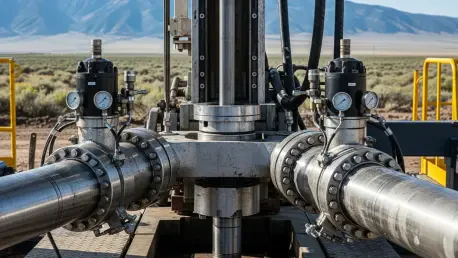
The primary driver of this modern energy surge is the development of Enhanced Geothermal Systems (EGS). Unlike traditional methods that rely on existing liquid, EGS involves injecting fluid into deep, impermeable rock layers to create a network of fractures that act as a radiator. This allows for the extraction of heat from depths and locations previously deemed unproductive. Utah has positioned itself as a global leader in this field, hosting advanced research sites that serve as testing grounds for these subsurface techniques. These facilities have successfully bridged the gap between theoretical laboratory physics and commercial-scale deployment, proving that EGS can provide the steady, baseload power required by a modern economy.
Meeting the Demands of a Growing Modern Economy
As the regional economy evolves, the need for “always-on” power has become a matter of national security and economic competitiveness. Solar and wind are essential components of the mix, but they require massive battery storage or fossil fuel backups to maintain grid frequency during the night or during calm weather. Geothermal energy fills this void perfectly, offering a constant capacity factor that rivals or exceeds that of nuclear power. Furthermore, the development of these projects provides a strategic opportunity for a “just transition.” The engineers and drillers who spent decades in the petroleum industry possess the exact skills needed to manage geothermal reservoirs, ensuring that the move toward carbon-free power supports local high-wage jobs and regional economic resilience.
Overcoming Regulatory and Administrative Bottlenecks
Despite the undeniable physical potential, the path to gigawatt-scale geothermal deployment is cluttered with administrative hurdles. One of the most significant challenges is the “permitting gap,” where geothermal exploration is often subjected to the same rigorous and lengthy environmental reviews as high-impact open-pit mining. This regulatory friction discourages private investment and extends project timelines by years. Additionally, much of the critical geological data needed to lower exploration risk remains locked in non-digital formats within state archives. Modernizing these surveys and streamlining the permitting process for low-impact drilling are essential steps to de-risk the industry and attract the capital necessary for large-scale expansion.
The Roadmap for Future Energy Superabundance
The future trajectory of the geothermal market suggests a shift toward a policy of “energy superabundance,” where the goal is to remove every possible friction point for clean energy developers. We are seeing a new era of regional coordination where governors are aligning transmission planning to ensure that geothermal electricity can be exported across state lines to high-demand coastal markets. If the federal government adopts categorical exclusions for geothermal exploration—matching the streamlined processes used in other sectors—the industry could see an unprecedented influx of private equity. The next several years will likely be defined by the transition from experimental pilot projects to standardized, repeatable industrial deployments that drive down the levelized cost of energy.
Strategies for a Resilient Geothermal Infrastructure
To integrate this resource effectively, stakeholders must prioritize the digitization of subsurface data to reduce the high upfront risk of drilling. Public-private partnerships should be employed to navigate the “valley of death” for first-of-a-kind commercial plants, perhaps through government-backed insurance for exploration wells. Energy professionals should focus on the cross-industry synergy between the geothermal and petroleum sectors, repurposing existing infrastructure and supply chains where possible. By valuing “firmness” in utility procurement and creating market mechanisms that reward 24/7 clean power, the West can build a grid that is both resilient to weather extremes and capable of supporting infinite economic growth.
Powering the West with the Earth’s Internal Engine
The strategic importance of geothermal energy was solidified as the West demonstrated that it could leverage its unique geology to solve the modern grid’s greatest challenges. By moving beyond the geographic limitations of the past and embracing advanced drilling techniques, the region successfully created a blueprint for energy independence. The transition required more than just technical brilliance; it demanded a modernization of the regulatory environment and a commitment to utilizing the existing workforce. Ultimately, the focus on firm, carbon-free power allowed for a more robust industrial base and a more reliable utility network. Stakeholders began to view the heat beneath the surface as a permanent, sovereign resource that secured the economic prosperity of the American West for the long term.