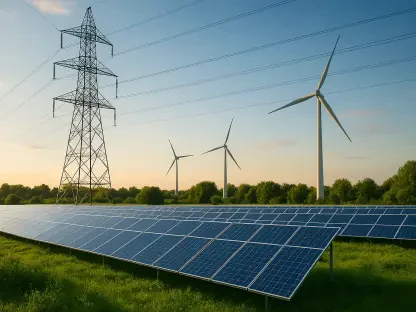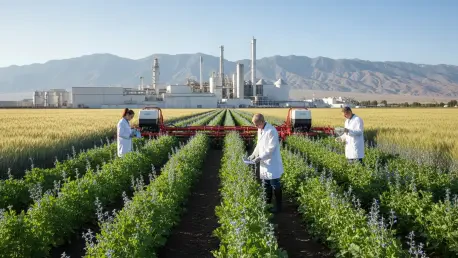

The intricate balancing act between achieving carbon neutrality and ensuring global food security has reached a critical tipping point as agricultural landscapes shift to meet the soaring demand for renewable energy sources. While the transition away from fossil fuels remains a non-negotiable priority for climate stabilization, the rapid expansion of the biofuel industry creates a direct rivalry for the very acres that once fed the world. In the current landscape of 2026, nations find themselves caught between aggressive renewable fuel standards and the escalating cost of basic staples, leading to a complex socio-economic puzzle. The diversion of maize and vegetable oils into refineries rather than kitchens has prompted a reevaluation of how much land can truly be spared for the fuel tank without compromising the dinner plate. This tension is particularly visible in developing economies where even a slight uptick in grain prices translates into immediate nutritional deficits for the most vulnerable populations who spend most of their income on food.
Market Volatility and Technological Solutions
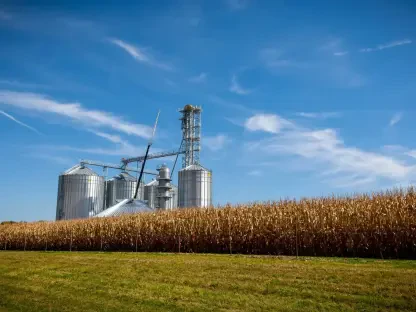
The economic ripple effects of biofuel mandates extend far beyond the farm gate, influencing international trade agreements and the purchasing power of urban consumers in net-food-importing countries. As domestic policies in major exporting nations like the United States and Brazil prioritize renewable energy production to meet carbon reduction targets, the available surplus for global food aid has contracted significantly. In the American Midwest, the massive shift of corn acreage toward ethanol production has created a tight supply for livestock feed, indirectly raising the price of meat and dairy products globally. This tightening of supply chains has led to increased price volatility in commodity markets, where speculators react to energy price fluctuations by adjusting their positions on grain futures. Consequently, the correlation between the price of crude oil and a bushel of wheat has never been stronger, creating a synchronized inflation that hits the poorest households the hardest in 2026.
Technological advancements have recently introduced second-generation feedstocks that aim to decouple fuel production from the food chain by utilizing agricultural residues and non-edible plants. Innovations in cellulosic ethanol, which processes corn stover and wheat straw, provide a pathway to liquid fuels that do not require the sacrifice of nutritious kernels. Furthermore, the rise of cover crops such as camelina and carinata allows farmers to produce oilseeds during off-seasons without displacing primary food harvests like wheat or soybeans. These double-cropping systems are becoming essential tools for maintaining soil health while simultaneously generating low-carbon intensity feedstocks for the aviation industry. By focusing on waste-to-energy pathways and marginal lands that are unsuitable for traditional food production, the industry seeks to mitigate the ethical dilemmas associated with land-use change and preserve the stability of global grain markets for human consumption.
The transition toward a sustainable energy future required a more holistic approach that prioritized resource efficiency over mere production volume through the adoption of circular agricultural models. Decision-makers eventually recognized that the conflict between energy and nutrition was not an inevitable outcome but rather a failure of initial planning and siloed policy frameworks. By investing heavily in precision agriculture and synthetic biology, stakeholders successfully optimized land use to serve dual purposes, ensuring that fuel production complemented rather than competed with food security. The integration of advanced waste-recovery systems allowed for the conversion of municipal and industrial organic matter into high-value fuels, effectively reducing the pressure on arable land. Ultimately, the industry moved toward a decentralized energy grid where local biofuel production utilized regional waste streams, thereby shortening supply chains. These strategic shifts ensured that the pursuit of green energy did not undermine sustenance.