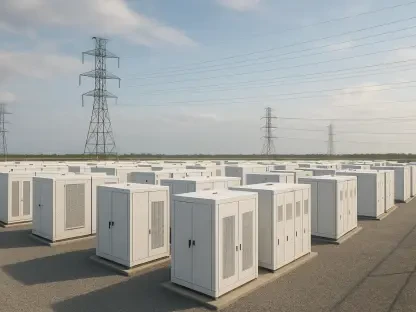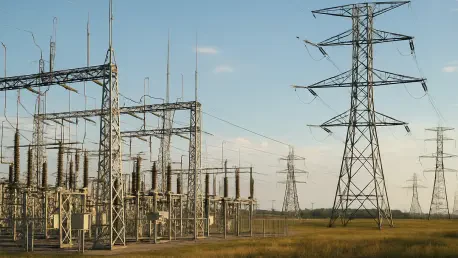

The American electrical grid is currently navigating its most precarious transition in over a century as traditional distribution systems struggle to keep pace with the massive energy appetite of contemporary technology. This mounting pressure has prompted the University of North Carolina at Charlotte to establish the nation’s first dedicated School of Energy, a move designed to centralize expertise and modernize the infrastructure that supports nearly every aspect of daily life. By positioning itself as a central node for research and specialized workforce development, the university seeks to bridge the widening gap between antiquated power systems and the high-performance requirements of a digital-first economy. This initiative represents a strategic alignment of institutional resources with the urgent national priority of grid stability. As the nation prepares for a surge in electricity consumption, the school serves as a testing ground for innovations that ensure power remains reliable and efficient for millions.
Addressing National Infrastructure and Educational Integration
Modernizing the Grid: Meeting Surging Electrical Demand
The sudden and substantial increase in electrical demand is primarily driven by the rapid expansion of data centers necessary to sustain artificial intelligence and high-performance computing clusters. Current projections suggest that the national grid will need to accommodate approximately 166 gigawatts of new capacity from 2026 to 2030, a figure that highlights the scale of the challenge facing utility providers and regulators alike. This surge is further compounded by a significant return to domestic manufacturing in the high-tech sector, where advanced production facilities require consistent and massive amounts of electricity. Additionally, the widespread adoption of electric vehicles has shifted the burden of transportation energy from liquid fuels to the power grid, creating localized stresses that existing distribution networks were never designed to handle. Addressing these growth factors requires a sophisticated understanding of load balancing and grid resilience during extreme weather.
Educational Integration: Interdisciplinary Academic Models
Solving the complexities of the modern energy landscape requires a departure from traditional education in favor of an interdisciplinary model that merges technical engineering with public policy and economics. The School of Energy adopts this holistic approach by ensuring that students do not just learn how to build better batteries, but also understand the regulatory environments and economic drivers that dictate their deployment. This integration is essential because technical innovations often stall when they encounter outdated zoning laws or shifting environmental mandates. By educating a new generation of professionals who are equally comfortable in a laboratory and a legislative hearing, the university is preparing a workforce that can navigate the bureaucratic hurdles of grid modernization. This curriculum emphasizes the practical application of artificial intelligence in managing power distribution while remaining compliant with emerging federal safety standards and requirements.
Strengthening Research Leadership and Regional Economic Impact
Leveraging EPIC: A Foundational Research Anchor
The foundation of this new school is built upon the Energy Production and Infrastructure Center, known as EPIC, which has functioned as a vital link between the university and the private sector since its inception. By formalizing this relationship, the School of Energy can leverage years of established industry partnerships to ensure that its research initiatives remain focused on solving tangible problems. EPIC has long provided the state-of-the-art facilities necessary for testing large-scale power equipment and developing new materials for energy storage, making it an indispensable asset for the institution’s research goals. The transition into a full-scale school allows for a more cohesive administrative structure, enabling faster deployment of resources toward high-impact projects like microgrid development and cybersecurity for utility networks. This established research anchor provides the credibility needed to attract top-tier faculty and significant federal grants for various energy projects.
Regional Impact: Transforming the Carolinas Into an Energy Hub
The long-term vision for the School of Energy involved transforming the Carolinas into a global destination for energy talent, often referred to as the Silicon Valley of grid modernization. This strategy mimicked the success of other tech hubs by creating a dense network of researchers, entrepreneurs, and policy experts who collaborated on the next generation of energy solutions. As new companies moved to the region to be near this talent pool, the local economy benefited from job creation and increased tax revenues, further solidifying the importance of the university’s initiative. Ultimately, the school’s focus on grid resilience and workforce readiness created a template for national energy independence and security. By sharing its findings and methodologies with other institutions, the university contributed to a broader collective effort to modernize the nation’s aging infrastructure. The establishment of this school marked a significant milestone in the ongoing quest to create a sustainable and resilient energy future.