
The landscape of the American interior is undergoing a silent but monumental transformation as the digital infrastructure required to power the next generation of artificial intelligence moves from the abstract world of code into a massive physical reality of concrete, steel, and unprecedented energy demand. What was once a gradual trend toward digitalization has accelerated into a frantic industrial sprint, with technology conglomerates racing to secure the land and electricity necessary to host increasingly complex machine learning models. This surge is not merely a technical adjustment but a fundamental shift in the national industrial footprint, as hundreds of new facilities sprout across thirty-four states, placing a strain on the electric grid that was previously inconceivable even a few years ago. As these “digital factories” expand, they are drawing deep from the nation’s energy reserves, signaling a turning point where the virtual ambitions of Silicon Valley collide directly with the physical limitations of the American power infrastructure and the natural resources of local communities.
The Massive Scale of Energy Consumption
Quantifying the Electricity Spike
Determining the exact impact of the artificial intelligence expansion requires an analysis of the staggering volume of electricity now required to sustain global computing needs, with current estimates placing annual usage between 224 and 359 terawatt-hours. To provide a clearer perspective on these figures, the midpoint of this projection represents more energy than is consumed by nearly any single state in the union, with the massive economy of Texas being the only entity currently exceeding this level of demand. This colossal draw on the national power grid stems directly from the industry’s pivot toward specialized hardware that requires constant, high-intensity cooling and massive amounts of electricity to process millions of concurrent AI queries. The result is a utility landscape where the growth of a single sector is beginning to dictate the long-term planning and operational stability of regional power markets from coast to coast.
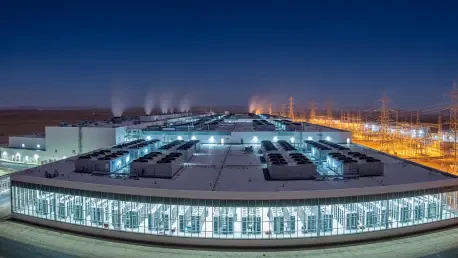
The current construction climate reflects this urgency, as the industry navigates a record-breaking permitting phase that has seen the highest volume of new data center authorizations since systematic record-keeping began in the late 1970s. These contemporary projects are no longer modest server rooms but are increasingly “hyperscale” facilities, which are defined by their vast physical footprints and a minimum power demand of forty megawatts each. This nationwide industrial shift is particularly visible in thirty-four different states where developers are breaking ground on sites that were once considered too remote for high-tech investment. As these projects move from the drawing board to the construction site, the sheer scale of the required infrastructure is forcing a complete reevaluation of how much energy the nation can produce and how that energy should be prioritized among competing industrial and residential interests.
The Concentration of Digital Power
A significant portion of the nation’s energy consumption is becoming increasingly consolidated within a remarkably small circle of the world’s most influential technology corporations. By the conclusion of the previous year, just five dominant firms were responsible for more than half of the total estimated power draw attributed to data centers across the United States. As these organizations continue to scale their generative AI capabilities and cloud services, their individual electricity requirements are expanding by double-digit percentages annually, effectively turning these companies into some of the largest energy consumers in human history. This concentration of power use creates a unique market dynamic where the strategic decisions of a handful of corporate executives can have immediate and profound effects on the availability and pricing of electricity for millions of unrelated customers sharing the same grid.
As these massive firms solidify their dominance over the utility landscape, the sheer velocity of their growth is outpacing the ability of power companies to commission new generation sources. The relationship between big tech and utility providers has shifted from a traditional client-vendor model into a complex partnership where tech companies are often the primary drivers of new infrastructure projects. This evolution means that the electrical needs of a single corporate campus can now rival the total consumption of a medium-sized metropolitan area, creating a scenario where the digital economy is no longer a secondary participant in the energy market but its primary protagonist. This rapid scaling underscores the high stakes of the current technological era, where access to massive, reliable energy streams has become the most critical competitive advantage in the race for computational supremacy.
Corporate Ambitions and Geographic Expansion
The Financial Engine of AI Development
The driving force behind this unprecedented physical expansion is a high-stakes competitive environment that analysts frequently describe as an artificial intelligence arms race among the world’s leading technology conglomerates. Companies such as Amazon, Microsoft, Meta, and Alphabet are projected to funnel more than $600 billion into capital expenditures through the end of the current year, a staggering investment aimed almost entirely at building the physical backbone for future computing. This immense wealth is being deployed to secure the components of the digital age, ranging from high-end processors to the massive cooling systems and substations needed to keep them operational. For these firms, the cost of the energy required is secondary to the necessity of possessing the hardware that will host the next generation of human intelligence, regardless of the localized impacts on the power grid.
Amazon and Microsoft have positioned themselves at the forefront of this movement, with their energy footprints expanding at a pace that mirrors the consumption levels of major American cities. In a single recent fiscal cycle, the combined increase in power usage for these two giants was roughly equivalent to the total electricity needed to support all of San Antonio or Jacksonville for the same period. This aggressive strategy highlights a sense of urgency to lock in infrastructure before regulatory hurdles or grid limitations can slow down the momentum of AI development. By securing massive amounts of power now, these corporations are effectively terraforming the future of the tech industry, ensuring that their dominance over the digital world is anchored by a physical presence that is increasingly difficult for any competitor to challenge or for any regulator to ignore.
Migration to the Rural Heartland
As traditional technology hubs in California and Virginia reach their capacity for land and power, developers are looking toward the American heartland to find the resources necessary for continued growth. States like Mississippi, Wisconsin, and Indiana are witnessing the arrival of massive new projects that encompass hundreds of acres of former timberland and agricultural zones. This migration is motivated by the search for affordable acreage and, perhaps more importantly, the availability of water and power connections that have become scarce in established urban markets. The transformation of these rural landscapes into industrial hubs is a stark visual reminder of how the digital economy is now rooted in the very soil that has historically been reserved for farming and forestry, creating a new and often jarring juxtaposition between high-tech architecture and the natural environment.
In states like Utah and Wisconsin, the sheer physical dimensions of these new developments are frequently compared to major landmarks to help the public grasp their magnitude. One particular project in Mount Pleasant, Wisconsin, is designed to occupy a footprint roughly equivalent to the size of New York City’s Central Park, replacing open space with miles of server racks and cooling towers. Similarly, facilities currently under construction in Utah are being engineered with power requirements capable of supporting more than 200,000 average American homes, illustrating the intense industrial nature of these sites. This influx of capital into rural areas often brings much-needed tax revenue, but it also fundamentally alters the character of these communities, as long-standing agricultural traditions are replaced by the hum of cooling fans and the glow of data center security lights.
The movement into these interior regions is also creating direct points of contact and occasional friction between high-tech developers and multi-generational farming families. In south-central Kansas, agricultural communities that have operated in the same manner for a century are watching as vast swaths of fertile farmland are purchased for data center construction. For many of these residents, the arrival of “server farms” represents a departure from the historical identity of their land, leading to complex debates about the long-term value of digital industry versus traditional food production. This transition highlights a growing tension between global technological progress and the preservation of local resources, as the needs of the AI boom increasingly compete for the same land and water that have sustained these communities for generations.
Societal Tensions and Resource Competition
Environmental and Infrastructure Strain
One of the most significant challenges associated with the proliferation of these massive facilities is their intensive reliance on finite natural resources, specifically the millions of gallons of water required daily for cooling purposes. Data centers utilize complex evaporative systems to prevent server arrays from overheating, a process that can place an immense strain on local aquifers and municipal water supplies. In regions that are already prone to drought or seasonal water scarcity, the competition between industrial cooling and agricultural irrigation is becoming a central point of political and social contention. Local residents and environmental advocates are increasingly questioning whether the benefits of hosting a data center outweigh the potential risk of depleting water sources that are vital for both human consumption and local ecology.
The financial consequences for the general public are also becoming a focal point of concern, as utility companies are forced to spend billions of dollars on grid upgrades to accommodate these new industrial users. These costs are often distributed across the entire customer base, leading to noticeable increases in monthly electricity bills for residential ratepayers who may not directly benefit from the data center expansion. In the PJM Interconnection region, which manages the power supply for tens of millions of people across several states, wholesale power costs recently experienced a 76% surge due to the dramatically increased load forecasts generated by upcoming data center projects. This shift in the economic burden of infrastructure maintenance is fueling a national conversation about the fairness of current utility regulations and the degree to which tech giants should be held responsible for the costs of their own energy demands.
The Economic Debate over Incentives
The debate surrounding the economic impact of data centers is further complicated by the extensive use of state-level tax exemptions designed to attract these projects away from competing regions. Proponents of these incentives argue that the construction of a massive data center brings thousands of high-wage jobs during the building phase and provides a stable source of property tax revenue for decades. However, critics point to the fact that once these facilities are operational, they require relatively few permanent employees compared to their massive physical size and energy consumption. In Ohio, the controversy over these multi-billion-dollar tax breaks became so intense that the state eventually moved to suspend some of its incentive programs, allowing for a more thorough reevaluation of whether these deals truly provide a net benefit to the average taxpayer over the long term.
As these projects continue to grow in scale, the discrepancy between the massive profits of the tech companies and the localized costs of supporting their infrastructure is becoming harder for many to ignore. While a data center may boost a local school district’s budget, the strain it places on local roads, emergency services, and the electrical grid can sometimes offset those gains. This has led to a more cautious approach from some local governments, who are now seeking more comprehensive community benefit agreements that go beyond simple tax revenue. The evolving relationship between these tech behemoths and the towns they inhabit reflects a broader societal struggle to balance the promise of technological advancement with the practical necessity of maintaining a sustainable and equitable local economy.
Adapting to Grid and Regulatory Limits
Innovation in On-Site Power Generation
To navigate the constraints of an aging national power grid and avoid the public backlash associated with rising utility rates, many data center developers are increasingly pursuing self-generation strategies. This trend involves the construction of dedicated power plants directly on the data center campus, often utilizing natural gas turbines to provide a reliable and independent source of electricity. By generating their own power, these companies can bypass the lengthy wait times for grid connections and insulate their operations from the potential instability of the public network. This move toward microgrids and independent power production represents a significant shift in the industrial model, as tech companies effectively become their own utility providers to ensure the “always-on” reliability required by AI training clusters.
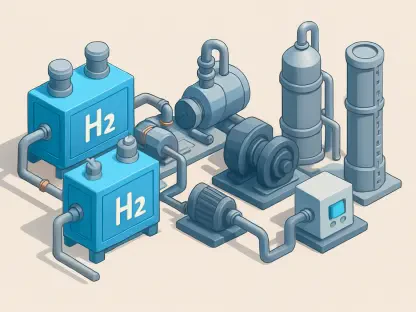
This shift toward on-site generation also serves as a strategic buffer against the mounting pressure from environmental groups and concerned citizens who are wary of the industry’s total carbon footprint. While natural gas remains a fossil fuel, developers argue that these modern, on-site plants are more efficient than drawing power from older, coal-fired stations still present on the regional grid. Furthermore, some companies are experimenting with hydrogen-ready turbines and large-scale battery storage to eventually transition these on-site plants toward more sustainable fuels. This proactive approach to energy independence is seen by the industry as a necessary evolution, allowing them to continue their rapid expansion without being entirely beholden to the slow pace of public infrastructure development or the fluctuations of the open energy market.
Information Gaps and the Political Landscape
Despite the visible growth of the sector, accurately assessing the true scale of the current energy surge remains a significant challenge due to the lack of transparency in corporate reporting. Many technology firms utilize trade secret exemptions to redact specific power consumption data from public filings, making it difficult for grid planners and government agencies to obtain a clear picture of future demand. Public records often provide only a conservative estimate, as some facilities utilize specialized power configurations or “behind-the-meter” arrangements that do not appear in traditional utility reports. This information gap has led many industry experts to conclude that current estimates of data center power use are significantly understated, creating a potential blind spot for those responsible for maintaining national energy security.
The physical presence of these facilities is rapidly evolving into a major political issue that is expected to play a central role in local and national elections across the country. In states where water rights are a sensitive topic or where electricity prices have become a primary concern for voters, there is a growing demand for stricter oversight of how data centers are permitted and operated. This political pressure is forcing lawmakers to consider new regulations that would mandate greater transparency regarding energy and water use, as well as more stringent requirements for corporate contributions to grid modernization. The ongoing struggle to reconcile the limitless ambitions of the AI industry with the tangible resource limits of the United States was a defining characteristic of the economic landscape as the decade progressed.
By the time the initial wave of hyperscale construction was completed, developers recognized the need for a more integrated approach to industrial planning. They collaborated with regional utilities to fund massive renewable energy projects that helped offset the localized load increases caused by their facilities. Regulatory bodies also implemented more robust reporting standards, which allowed for a more accurate assessment of how digital infrastructure impacted the national grid. This transition period proved that while the demand for artificial intelligence was transformative, the sustainability of the boom depended on a transparent and cooperative relationship between the technology sector and the public. These efforts eventually established a framework that balanced the necessity of computational growth with the preservation of the essential resources required by the broader population.