
Introduction
The relentless expansion of digital infrastructure is fundamentally rewriting the blueprints of the American power grid as electricity consumption climbs toward unprecedented heights. This seismic shift is highlighted by the recently released May 2026 forecast from the National Electrical Manufacturers Association, which underscores an aggressive acceleration in domestic energy needs. The updated analysis projects that annual electricity demand will surge by more than 55% over the next quarter-century, a notable jump from earlier estimates that predicted a 50% growth rate.
The primary objective of this exploration is to address the most pressing questions regarding this “steepening” trajectory of power consumption and to examine the core drivers behind it. Readers can expect a detailed breakdown of how emerging technologies and shifting transportation habits are straining existing systems. By analyzing the intersection of infrastructure development and technological innovation, this article provides a clear roadmap for understanding the evolution of the national power grid through the middle of the century.
Key Questions or Key Topics Section
Why Is Data Center Expansion Accelerating So Rapidly?
The primary engine behind the immediate spike in energy demand is the explosive growth of the data center sector, which is currently undergoing a massive transformation. Over the next decade, consumption within these facilities is projected to grow by 300%, eventually accounting for nearly 38% of total net electricity use in the United States by 2037. This trend is largely propelled by the massive capital investments made by hyperscale cloud providers who are racing to expand their digital footprints.
Furthermore, the extreme energy intensity required to support artificial intelligence workloads has created a concentrated demand that traditional computing never required. AI processing consumes significantly more power per square foot, necessitating specialized cooling and high-density power delivery. Geographically, this expansion is most visible in regions like Texas and the mid-Atlantic, where existing connectivity hubs and favorable business climates have turned these areas into the central nervous system of the modern digital economy.
How Is the Shift Toward Electric Transportation Impacting Long-Term Demand?
While the digital sector drives immediate growth, the electrification of transportation remains a cornerstone of long-term energy planning despite recent adjustments in market expectations. Current forecasts suggest a 2,000% increase in power consumption from the e-mobility sector through 2050. This figure is actually a tempered revision from earlier, more aggressive predictions, reflecting a more nuanced understanding of policy shifts and the practical pace of infrastructure rollout.
The transition remains substantial, with approximately 51 million light-duty electric vehicles expected to be on American roads by 2035, compared to the few million reported just years ago. This surge is particularly pronounced in the Northeast and Western United States, where state-level mandates and consumer preferences are driving adoption. The challenge for utilities in these regions is not just the total volume of energy but the timing of demand as millions of vehicles plug in simultaneously.
What Changes Are Expected in the National Generation Mix?
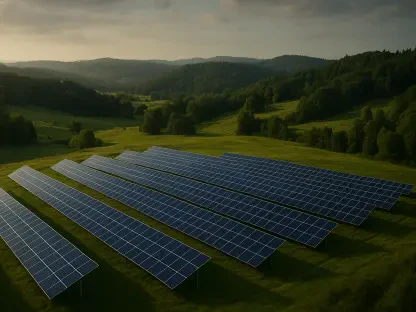
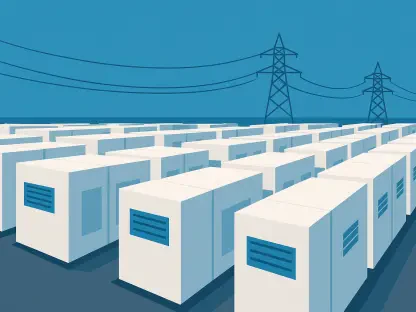
To accommodate the rising tide of consumption, the energy landscape is moving toward a composition dominated by low-carbon and carbon-free sources. By 2043, the grid is expected to feature over 1,279 gigawatts of renewable capacity, split between solar, wind, and standalone battery storage. This collective capacity will represent more than half of the total installed power on the U.S. grid, signaling a departure from the historical reliance on fossil fuels.
This transition involves a significant scale-up of solar and wind assets, which are forecasted to reach 568 and 408 gigawatts respectively. Traditional sources like nuclear and natural gas will continue to provide foundational reliability, but the footprint of coal is expected to shrink dramatically. In specific regions such as New York and the Southeast, renewable energy is poised to exceed 50% of the total generation capacity, requiring sophisticated management systems to handle the inherent variability of these green resources.
Can Existing Infrastructure Handle the Surge in Energy Requirements?
The central dilemma facing the industry is that the physical expansion of the power grid is currently failing to keep pace with the rapid increase in demand. Building new transmission lines remains a prohibitively slow and expensive process, often bogged down by regulatory hurdles and land-use conflicts. Consequently, the focus has shifted toward maximizing the efficiency of the current footprint through advanced technological interventions known as Grid Enhancing Technologies.
These systems, such as dynamic line ratings and topology optimization software, allow operators to squeeze more capacity out of existing wires by adjusting to real-time environmental conditions. Rerouting power to less congested paths and utilizing advanced conductors can significantly increase throughput without the need for decade-long construction projects. Additionally, decentralized solutions like microgrids and demand response programs are becoming essential tools for balancing the load at a local level during peak periods.
Summary or Recap
The comprehensive outlook for the American power sector illustrates a nation at a critical juncture, with net electricity consumption rising from 3,936 TWh today toward 6,130 TWh by 2050. This surge is the direct result of a convergence between the power-hungry requirements of artificial intelligence and the steady electrification of the national fleet of vehicles. The reliance on renewable energy and massive battery storage will redefine the generation mix, creating a grid that is more sustainable but also more complex to manage. Modernization through technological efficiency and decentralized management has become the consensus priority for ensuring long-term reliability.
Conclusion or Final Thoughts
The 2026 energy forecast highlighted a critical energy crossroads that demanded immediate and decisive action from both policymakers and industry leaders. It was recognized that the modernization of the grid was no longer a distant goal but an urgent necessity to support the weight of a digital-first economy. Stakeholders prioritized the deployment of enhancing technologies and behind-the-meter resources to prevent a mismatch between generation and delivery. As the nation moved forward, the focus shifted from merely building more capacity to building a smarter, more flexible infrastructure that could adapt to the steepening curve of American energy needs.