
The American power grid currently faces an unprecedented combination of aging physical infrastructure and an escalating frequency of high-impact climate events that threaten the stability of regional economies. As the nation moves toward a more electrified future, the demand for a reliable, resilient, and intelligent electrical distribution system has never been more urgent. Recent shifts in the energy landscape, particularly from 2026 to 2028, suggest a significant move away from centralized generation toward distributed energy resources. This transition creates complex challenges for utilities that must balance intermittent renewable sources like solar and wind with traditional base-load power. To address these systemic vulnerabilities, researchers are turning to sophisticated computational models that can simulate thousands of what-if scenarios. The objective is to identify critical failure points before they are triggered by real-world storms or cyberattacks. This proactive approach requires a deep synthesis of theoretical physics, data science, and industrial-grade electrical engineering.
Advanced Simulation: Bridging the Gap Between Theory and Reality
Argonne National Laboratory utilizes its extensive computational resources to create high-fidelity digital twins of the existing electrical infrastructure. These virtual environments allow engineers to test the impact of various stressors, ranging from extreme temperature fluctuations to sudden surges in consumer demand. By leveraging the Argonne Leadership Computing Facility, researchers can model the behavior of millions of interconnected components with a level of detail that was previously impossible. This involves the use of the Electric Power System Communications and Control laboratory, where hardware-in-the-loop testing provides a bridge between software simulations and physical equipment. Such rigorous analysis ensures that new grid-management strategies are vetted in a risk-free environment before being deployed in the field. The focus remains on optimizing the flow of electricity across state lines while maintaining the highest possible safety standards for the workers who maintain these massive systems.
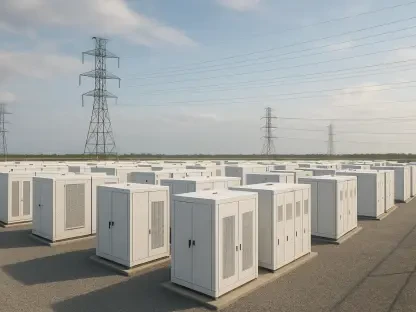
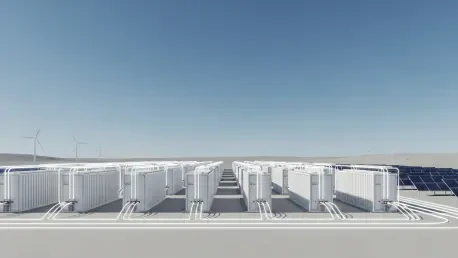
The integration of the Grid Resilience and Intelligence Platform into this partnership allows for the processing of massive datasets generated by smart meters and sensors across the country. This platform uses machine learning algorithms to detect anomalies that might indicate an impending equipment failure or a coordinated security breach. By analyzing historical outage data alongside real-time weather forecasts, the system can predict which sectors of the grid are most likely to experience disruptions during a hurricane or wildfire. Furthermore, this research explores the role of energy storage systems in stabilizing the grid during periods of high volatility. For instance, the collaboration investigates how large-scale lithium-ion and long-duration flow batteries can be strategically placed to provide backup power during peak demand. This holistic view of the energy ecosystem is essential for developing a grid that is not only functional but also adaptable to the changing needs of a modern society that relies on digital services.
Intelligent Infrastructure: Implementing Self-Healing Distribution Networks
S&C Electric brings decades of experience in manufacturing advanced switching and protection equipment designed to minimize the duration and scope of power outages. A primary focus of the current initiative is the deployment of the IntelliRupter PulseCloser, a sophisticated device that can distinguish between temporary faults and permanent damage. Unlike traditional circuit breakers that repeatedly slam back into a fault, these intelligent switches use low-energy pulses to test the line, thereby protecting downstream equipment from unnecessary stress. This technology is a cornerstone of the self-healing grid, where the system can automatically reroute power around a damaged section in a matter of seconds. In addition to these switches, the TripSaver II Cutout-Mounted Recloser is being utilized to enhance reliability on lateral lines, which are often the most susceptible to interference from vegetation or wildlife. These hardware solutions represent a critical layer of defense, ensuring that localized issues do not cascade into regional blackouts.
The partnership between Argonne and S&C Electric established a robust framework for transforming the aging American power grid into a more resilient and flexible asset. This collaboration proved that the integration of high-performance computing with industrial-grade switching technology significantly reduced the frequency of long-term outages in pilot regions. Engineers successfully demonstrated that predictive modeling could inform the strategic placement of self-healing hardware, which in turn protected critical infrastructure during extreme weather events. The initiative also highlighted the importance of cybersecurity, as researchers developed new protocols for protecting automated distribution systems from digital threats. Moving forward, the lessons learned from this joint effort provided a scalable model for other research institutions and private companies to follow. These efforts laid the groundwork for a future where energy systems are more autonomous, capable of managing complex loads without human intervention.