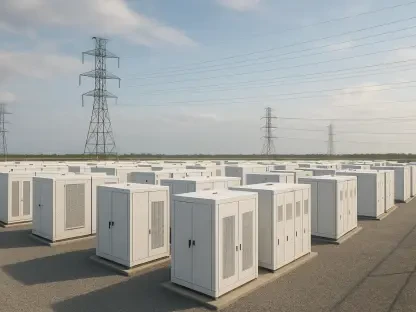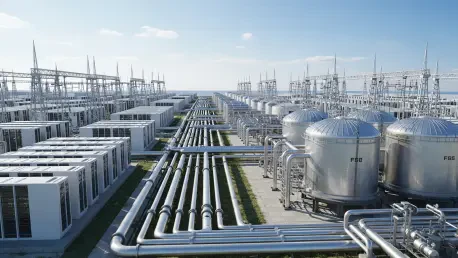

The digital pulse of the global economy is increasingly powered by massive industrial engines that operate silently behind high fences, consuming energy at a rate that rivals the peak demand of entire metropolitan civilizations. These facilities, known as data centers, are the physical backbone of the artificial intelligence boom, but their hunger for power has reached a critical threshold. As tech giants scramble to secure electricity, a new strategy has emerged: building private, gas-fired power plants directly on-site. This shift to behind-the-meter generation effectively disconnects these behemoths from the public oversight that traditionally protects consumer interests, creating a direct link between the expansion of AI and the rising cost of residential energy bills.
The arrival of these industrial energy giants marks a shift from digital scale to physical dominance. In regions like Richland Parish, Louisiana, and the vast plains of Wyoming, new data center complexes are projected to consume as much electricity as the city of New York. For years, the energy grid functioned as a shared resource where costs and benefits were distributed among all users. However, the current pace of technological expansion threatens to upend this balance, as the massive demand from a single facility can now outstrip the generation capacity of entire mid-sized utilities. The central challenge for regulators is whether these tech companies can build their own power infrastructure without forcing the public to subsidize the resulting market volatility.
The Invisible Rival for Your Monthly Energy Budget
Your monthly utility bill is no longer just a reflection of your household’s heating or cooling needs; it has become a battleground where residential consumers compete with massive industrial users for a finite supply of fuel. As data centers expand their footprint, they transition from being mere customers to becoming major competitors in the energy market. This rivalry is particularly visible in areas where legacy infrastructure is struggling to keep pace with the power-hungry requirements of high-performance computing. When a tech giant enters a local market, the sudden surge in demand can lead to price spikes that trickle down to every home in the service area.
The scale of this transition is staggering, with some facilities reaching a capacity of 10 gigawatts, effectively operating as sovereign energy islands. These projects are not just large; they are transformative, often requiring more electricity than the total peak load of the states in which they are located. As these centers integrate natural gas generation into their operations, they create a new baseline for energy consumption that persists 24 hours a day. This constant, high-intensity draw on resources ensures that there is never a “slack” period in the energy market, keeping prices elevated for everyone else.
The Infrastructure Crisis Pushing AI Giants Off the Public Grid
The move toward behind-the-meter generation is largely a response to a national grid that is currently at a breaking point. National congestion and a massive backlog for interconnection permits have created a situation where a new data center might have to wait five to seven years to receive a traditional grid connection. For companies operating in the fast-paced AI sector, such delays are unacceptable. By building their own gas plants on-site, these companies can bypass the lengthy utility queues and bring their processing power online in a fraction of the time.
This transition represents a massive shift in the nation’s energy landscape, with nearly 100 gigawatts of planned on-site gas-burning capacity currently in development. This figure represents nearly 20% of the total natural gas power potential in the United States, all of which is being diverted to private industrial use. Regulators, overwhelmed by the volume of new requests, are increasingly telling large-scale users that they must bring their own power to the table. While this approach keeps the public grid from collapsing under the weight of new demand, it also removes the most profitable customers from the utility’s rate base, leaving residential users to cover the fixed costs of maintaining the grid.
How Behind-the-Meter Generation Triggers a Price Spike for Everyone
An economic paradox exists where a data center’s apparent energy independence actually drives up costs for local residents. Even if a facility generates its own electricity on-site using natural gas, it is still drawing from the same regional fuel supply that heats homes and provides cooking gas. This massive private demand increases the market price for natural gas, a commodity whose price is highly sensitive to volume. Consequently, the higher price paid by the data center for its fuel is mirrored in the higher prices families pay for their basic needs.
Furthermore, natural gas often sets the marginal price for electricity across the entire grid. Because gas-fired plants are frequently the last ones called upon to meet demand, the cost of gas-generated power dictates the price for every kilowatt-hour sold in the market, regardless of whether that power came from a wind farm or a nuclear plant. When tech firms bypass the grid to burn gas privately, they avoid the regulatory oversight that would normally force them to pay for shared infrastructure upgrades. This “regulatory bypass” allows multi-billion-dollar corporations to avoid the socialized costs of energy expansion, effectively shifting the financial burden of grid modernization onto the shoulders of smaller, less mobile consumers.
Reliability Risks and the Local Impact of Bypassing Regulations
The rush to deploy on-site power has led some companies to take supply chain shortcuts that threaten local environmental standards and reliability. Due to the five-year backlog for efficient turbines, some developers have turned to older, less efficient technology that emits higher levels of pollutants. In Southaven, Mississippi, legal challenges against xAI have highlighted the real-world fallout of these decisions, with residents reporting unauthorized noise pollution and soot from clusters of mobile gas turbines. These shortcuts circumvent the rigorous environmental reviews typically required for utility-scale power plants, creating localized zones of degradation.
The fragility of the gas grid further complicates the reliability of this model, as demonstrated by the fallout from extreme weather events like Winter Storm Fern. When the gas delivery system faces extreme stress, industrial demand often competes directly with the heating needs of the public. If a massive data center is tethered to the same fuel line as a residential neighborhood, the competition for fuel can lead to system-wide failures. Expert perspective suggests that achieving true energy autonomy requires moving beyond a dependency on volatile fossil fuel supplies that are prone to both price swings and physical delivery bottlenecks.
Implementing the “Bring Your Own Clean Energy” Framework
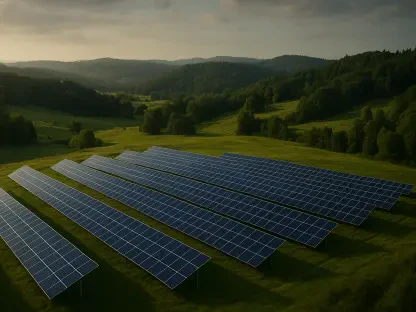
The most sustainable path forward involves a transition to firm clean energy sources that do not rely on the volatile natural gas market. By utilizing wind, solar, and advanced battery storage, data centers can stabilize their own costs while reducing the pressure on the public wallet. Industry leaders like Google and Amazon have already begun setting the pace, with significant investments in dedicated wind and solar projects in Minnesota and Oregon. These projects demonstrate that it is possible to meet the massive energy needs of AI without tethering the digital future to the fuel sources of the past.
Legislators and state regulators have also begun to adopt policy levers that encourage this transition. Implementing “Permit-by-Rule” and “Designated Energy Zones” has accelerated the deployment of renewable infrastructure in states like Texas and Nevada. By adopting standardized local rules, states prevented the zoning hurdles that previously stalled progress, ensuring that new energy projects could be completed quickly and safely. These legislative solutions established a roadmap for balancing technological innovation with long-term public welfare, ensuring that the benefits of the AI revolution did not come at the expense of the average citizen’s financial stability. These measures eventually offered a streamlined path for developers to contribute to the grid’s overall health rather than detracting from it. Moving toward a more integrated and transparent energy strategy ensured that the industrial giants of the digital age remained accountable to the communities that hosted them.