
The sudden failure of a regional substation during a peak heatwave serves as a stark reminder that legacy infrastructure remains the most significant bottleneck in the transition toward a sustainable energy future. As the global demand for electricity surges due to the rapid proliferation of electric vehicles and the exponential growth of high-density data centers, utilities are finding that traditional grid management is no longer sufficient. The shift toward a modernized framework is driven by the urgent need to mitigate the risks associated with extreme weather events and to accommodate the inherent variability of renewable energy sources. This evolution involves a move away from the centralized, unidirectional flow of power that characterized the twentieth century toward a dynamic and intelligent network. By prioritizing the deployment of high-resolution sensing technologies and automated switching mechanisms, operators are finally addressing the vulnerabilities that have historically led to widespread outages. These systematic improvements represent a fundamental shift in how modern society generates and distributes essential energy.
Implementing Digital Twin Technology: Precision in Asset Management
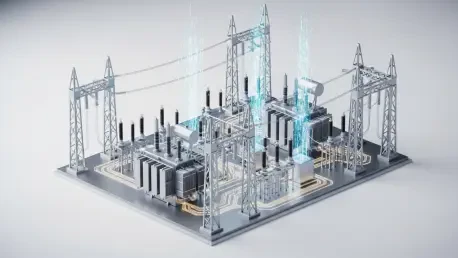
The adoption of digital twin technology has transformed how utility companies monitor and manage their physical assets in real time. By creating a virtual replica of the entire power distribution network, engineers can simulate various stress scenarios and analyze the potential impact of equipment failure before it occurs. This approach relies on thousands of Internet of Things sensors installed on transformers, power lines, and substations, which stream granular data back to a centralized control hub. These sensors detect subtle fluctuations in temperature, vibration, and current that often precede a catastrophic breakdown. By identifying these early warning signs, maintenance teams can intervene during scheduled downtime rather than responding to emergency blackouts in the middle of the night. Furthermore, the integration of geographic information systems allows for a precise visualization of how geographical terrain and local weather patterns interact with the grid, providing a level of situational awareness that was previously impossible to achieve.
Artificial intelligence plays a critical role in processing the massive influx of data generated by these modernized sensing networks. Traditional manual inspections are being replaced by automated diagnostic tools that can scan thousands of miles of transmission lines using high-definition cameras and thermal imaging mounted on autonomous drones. These AI algorithms are trained to recognize signs of corrosion, vegetation encroachment, or frayed wiring with a degree of accuracy that surpasses human capability. Once a defect is identified, the system automatically prioritizes the repair based on the criticality of the asset and the number of customers served. This shift toward predictive maintenance has significantly reduced the operational costs associated with reactive repairs and extended the lifespan of existing infrastructure. Moreover, the implementation of self-healing grid technologies allows the system to automatically reroute power around a damaged section, minimizing the duration and scope of outages. This level of automation is essential for maintaining stability.
The successful modernization of the power grid resulted from a concerted effort to merge physical infrastructure with sophisticated digital intelligence. Stakeholders recognized that waiting for equipment to fail was no longer a viable strategy in an era of increasing environmental and digital complexity. They invested in cyber-physical security frameworks to protect these new digital interfaces from potential threats, ensuring that the connectivity providing reliability did not become a point of vulnerability. Moving forward, the industry prioritized the standardization of communication protocols to allow different hardware components to interact seamlessly across jurisdictional boundaries. Technical leaders encouraged the adoption of open-source analytics to accelerate the development of grid-edge computing, which moved processing power closer to the data source. These actions established a blueprint for future infrastructure projects, emphasizing that flexibility and foresight are the primary drivers of performance. By focusing on collaboration, the sector secured a resilient foundation.