
Recent record-shattering temperatures across the Mediterranean have forced Tunisia to confront the fragile reality of its aging electrical infrastructure as demand for cooling reaches unprecedented levels. The national power grid, once a symbol of modernization, now operates under a state of constant tension, requiring immediate and decisive intervention to prevent a systemic collapse that could paralyze the country’s economy. By launching a dual-track strategy, the government is not only attempting to patch existing vulnerabilities with rapid hardware upgrades but is also initiating a profound redesign of the entire energy architecture. This shift is essential to accommodate the global transition toward sustainable power while ensuring that domestic industries remain competitive in a rapidly changing climate landscape. Balancing immediate survival with long-term strategic evolution remains the central challenge for energy planners who must navigate a complex web of technical, financial, and environmental constraints to secure the nation’s future stability.
Immediate Interventions: Fortifying the Transmission Network
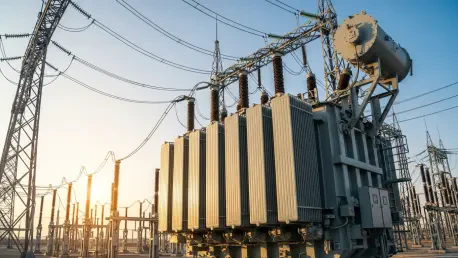
To mitigate the escalating threat of systemic blackouts during the most intense seasonal heatwaves, the Tunisian Electricity and Gas Company (STEG) is currently fast-tracking the installation of massive high-voltage transformers across key nodes. A critical component of this emergency response involves the deployment of a new 360-megavolt-ampere unit at the Mornaguia substation, which has already begun stabilizing regional distribution. Furthermore, a larger 400-megavolt-ampere unit is expected to come online shortly to bolster the network’s resilience against the surging peak demand that often exceeds historical thresholds. These high-capacity upgrades provide the necessary flexibility and load-bearing capacity to protect the transmission network from catastrophic failure during periods of maximum consumption. By prioritizing these hardware improvements, the utility provider aims to create a safety buffer that prevents localized faults from cascading into nationwide outages that disrupt daily life.
Modernizing the physical backbone of the grid requires more than just replacing outdated components; it necessitates a sophisticated understanding of how energy flows through a system under extreme thermal stress. The ongoing grid reinforcement initiatives involve recalibrating protection relays and enhancing the structural integrity of high-voltage transmission lines that connect major urban centers with industrial zones. These technical interventions are designed to accommodate the erratic nature of modern energy usage patterns while preparing the system for a higher degree of digitalization and automated monitoring. As the climate continues to exert pressure on public utilities, these investments in robust hardware serve as a primary defense mechanism against the unpredictable volatility of environmental extremes. Maintaining a reliable flow of electricity is not merely a matter of comfort but a fundamental requirement for the continuity of essential services, including healthcare, water pumping stations, and communication networks.
Diversifying Supply: Transitioning from Gas to Renewables
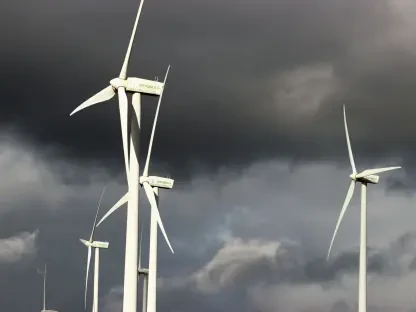
The current energy strategy is moving beyond temporary fixes to address a deep-seated reliance on imported natural gas, which fuels the vast majority of the country’s electricity generation. This heavy dependence leaves the national economy exceptionally vulnerable to the volatility of global market prices and continues to drain foreign currency reserves as domestic hydrocarbon production faces a steady decline. To achieve true energy independence, policymakers are advocating for a departure from this centralized, gas-reliant model in favor of a more diversified and resilient domestic supply chain. By integrating a broader range of primary energy sources, the state can shield its citizens from the geopolitical fluctuations that frequently impact fuel availability and pricing. This transition represents a fundamental shift in how the nation perceives its resource security, moving toward a framework where self-reliance is built on the exploitation of abundant natural assets like solar and wind power.
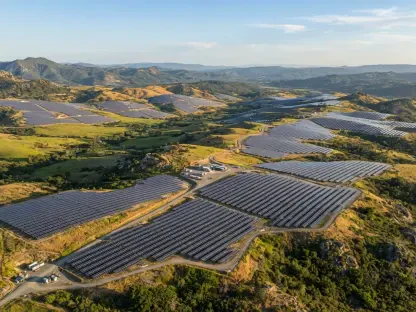
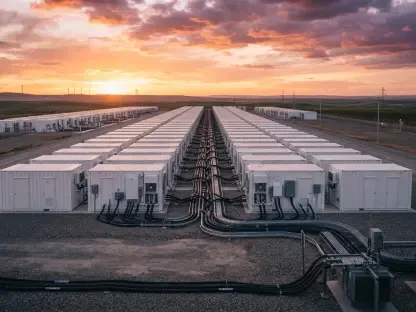
Achieving the ambitious target of thirty-five percent renewable electricity generation requires a comprehensive overhaul of the entire energy ecosystem rather than just installing solar panels. This transition involves scaling up utility-scale solar parks in the southern regions while simultaneously investing in advanced battery storage systems to manage the inherent intermittency of renewable resources. Encouraging decentralized self-generation for commercial enterprises and residential households is also a key part of this strategy, allowing for a more distributed production burden across the nation. By shifting the generation load away from a handful of large gas-fired plants, the government hopes to create a more stable baseline that can withstand the extreme pressure that occurs during the hottest parts of the afternoon. This evolution is also expected to lower the long-term cost of electricity, providing a more predictable financial environment for both industrial manufacturers and the general public.
Regulatory Overhaul: Fostering a New Investment Climate
Attracting the significant capital required for a massive energy overhaul necessitates a substantial improvement in the national investment climate through targeted legislative reforms. The government is currently refining its regulatory frameworks to introduce long-term power purchase agreements and other fiscal incentives that lower entry barriers for private sector developers. These reforms are essential for funding the modernization of the grid and ensuring that new, sustainable technologies can be seamlessly integrated into the existing energy infrastructure without causing financial strain. By creating a transparent and predictable legal environment, the state aims to signal to international investors that the energy sector is a viable and secure destination for large-scale funding. Establishing these clear rules of engagement is a prerequisite for the rapid deployment of the innovative infrastructure needed to meet the growing demand for clean and affordable electricity.
These localized efforts also position the country as a microcosm of a much larger trend across the African continent, where aging transmission networks often act as the primary bottleneck for growth. Many nations currently find themselves in a difficult position, struggling to meet the rising demand of growing populations while being hamstrung by legacy hardware and insufficient funding. A proactive approach to strengthening high-voltage “pipes” while simultaneously planning for renewable expansion offers a potential roadmap for other regional markets facing similar technical constraints. By demonstrating that a combination of physical upgrades and policy reforms can stabilize a stressed national grid, the state is setting a precedent for regional cooperation and technological transfer. This leadership role is particularly important as neighboring countries look for proven strategies to modernize their own utilities while navigating the challenges of a global energy transition.
Strategic Positioning: Green Hydrogen and Industrial Resilience
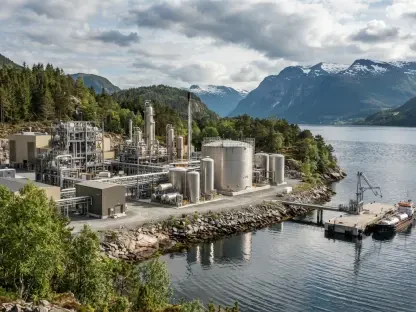
Beyond the immediate goals of domestic stability, there is a strategic focus on positioning the nation as a major player in the emerging global green hydrogen market. By leveraging high solar irradiance and geographic proximity to European energy markets, the country seeks to transform itself from a net importer into a significant clean energy exporter. However, this high-tech ambition depends heavily on successfully integrating large-scale desalination projects to provide the purified water required for electrolysis in an increasingly water-scarce region. Developing the specialized logistics and pipeline infrastructure needed to manage hydrogen transport will also require extensive international partnerships and technical expertise. If successful, this industry could provide a new pillar for economic growth, creating high-skilled jobs and fostering a domestic ecosystem of innovation centered around carbon-neutral fuel production and advanced chemical engineering.
The transformation of the national grid was ultimately about climate-proofing a system that remained vital for the broader economic survival of the entire population. Without a reliable and resilient energy supply, core sectors like manufacturing, tourism, and digital services could not have thrived or attracted the necessary international investment to remain competitive. By strengthening the physical infrastructure and updating the regulatory environment, the state laid the essential groundwork for a twenty-first-century economy that was better equipped to handle the realities of a warming planet. The lessons learned from the deployment of high-capacity transformers and the integration of solar parks provided a blueprint for future industrial development. Moving forward, the focus shifted toward maintaining this momentum through continuous technological adaptation and the expansion of cross-border energy interconnections. These past actions ensured that the nation did not just react to crises but actively shaped its own path toward a sustainable and secure energy future.