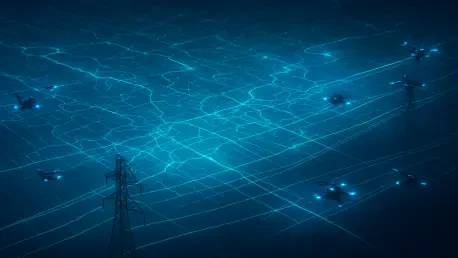

SSE’s plan to invest approximately $43.75 billion into energy infrastructure by 2030 underscores the growing necessity for automated and accurate data collection methods. This significant financial commitment is set against a backdrop of increasing pressure to modernize the United Kingdom’s power grid, ensuring it can handle the influx of renewable energy sources while maintaining strict safety standards. The scale of the task is immense, encompassing thousands of kilometers of transmission lines that traverse some of the most challenging terrains in mainland Britain. Traditional manual inspections are increasingly seen as inadequate for the speed and precision required in 2026. Consequently, the partnership expansion between Cyberhawk and SSE represents a fundamental shift toward a technology-first approach. By deploying advanced unmanned aerial systems, the utility giant is not just improving its data gathering but is fundamentally reimagining how asset health is monitored and managed in an increasingly digital and electrified world.
The Transition to Autonomous Inspection: Enhancing Worker Safety
The formalization of a multi-year agreement between Cyberhawk and SSE marks a pivotal moment for the commercial drone industry, signaling that aerial robotics have moved beyond experimental phases into core business functions. This contract includes an initial three-year term with a two-year extension option, specifically targeting the regulated network businesses of SSEN Transmission and SSEN Distribution. These entities are responsible for the vital task of transporting electricity from generation sites to end-users, a process that historically involved labor-intensive and often dangerous manual inspections. By utilizing unmanned aerial systems, technicians can now capture high-resolution imagery and topographical data without ever leaving the ground. This shift not only mitigates the inherent risks associated with climbing transmission towers or navigating hazardous environments but also significantly accelerates the inspection cycle, allowing for more frequent and detailed assessments of asset health.
Beyond the physical hardware of the drones themselves, the true value of this partnership lies in the sophisticated data processing capabilities provided by the iHawk software platform. This AI-driven tool serves as a centralized hub for all inspection imagery and geospatial data, transforming thousands of individual photographs into a cohesive, searchable database. By leveraging machine learning algorithms, the system can automatically identify anomalies such as corrosion or structural weaknesses that might be invisible to the naked eye or overlooked during a standard flyover. This level of automated analysis allows SSE to move from a reactive maintenance model to a proactive one, where resources are allocated based on actual asset condition rather than arbitrary schedules. The integration of such data-centric workflows ensures that every flight provides maximum utility, creating a digital record that informs long-term strategic planning and immediate repair priorities for the network.
Renewable Growth and Asset Intelligence: The Offshore Wind Shift
One of the most significant developments in the renewed collaboration is the inclusion of offshore wind turbine inspections, a sector traditionally known for its high logistical complexity and extreme costs. Known as Lot 2 in the contractual framework, this expansion represents a strategic move into the renewable energy space, where SSE is rapidly scaling its capacity. Inspecting offshore turbines involves navigating turbulent maritime environments and reaching heights that pose significant safety challenges for human climbers. Drones equipped with specialized sensors and high-definition cameras can perform these tasks with greater precision and speed, capturing detailed images of turbine blades while the units remain operational in many cases. This capability is crucial for maintaining the efficiency of the UK’s offshore wind fleet, as even minor defects in blade integrity can lead to significant energy losses if left unaddressed during the harsh months when energy demand peaks across the nation.
In the final analysis, the strategic alignment between Cyberhawk and SSE established a new standard for how modern energy giants handled the immense burden of infrastructure upkeep. Decision-makers recognized that the old methods of physical inspection were no longer sufficient for a grid that grew more complex every day. By committing to a software-first approach through platforms like iHawk, the companies ensured that every byte of data collected served a specific purpose in prolonging asset life and preventing outages. Stakeholders across the industry saw that investing in these automated systems yielded immediate returns in worker safety and long-term gains in operational continuity. Moving forward, the industry learned that the true strength of a power grid resided not just in its physical wires, but in the intelligence used to monitor them. To maintain this momentum, organizations had to prioritize the continuous training of personnel in digital literacy and the adoption of open-data standards.