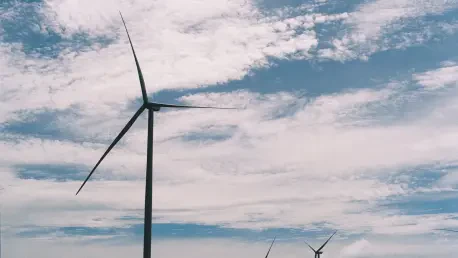

Triple Point Resources has identified a strategic opportunity to reduce provincial electricity system costs by up to $700 million over the next ten years through advanced storage. As the province transitions toward a cleaner and more decentralized power grid, the integration of the Fischells Salt Dome Power Generation Project has emerged as a cornerstone of this modern strategy. This project utilizes Compressed Air Energy Storage technology to mitigate the inherent variability of renewable energy sources. By converting surplus electricity into high-pressure air stored within massive, naturally occurring salt formations, the facility serves as a large-scale energy reservoir. This capability is essential for balancing supply and demand, particularly during seasonal shifts when renewable output may not align with consumption. The implementation of such advanced subterranean storage marks a departure from traditional utility management, positioning the region as a leader in sustainable infrastructure.
Technical Performance and Infrastructure Efficiency
Geological Storage: The Mechanical Advantage
The geological integrity of the Fischells salt domes provides a unique mechanical advantage over conventional lithium-ion battery arrays. In this system, electric compressors utilize excess grid power to force ambient air into subterranean caverns at extreme pressures, where the energy remains stored until required. Unlike chemical storage, this method does not degrade over thousands of cycles, offering a lifespan that spans several decades. When demand spikes, the pressurized air is released to drive a turbine, generating electricity that is fed back into the provincial network within minutes. This rapid-response capability is vital for maintaining the frequency and voltage stability of the grid, especially as traditional thermal power plants are phased out. By harnessing these natural geological structures, the project effectively minimizes the environmental footprint associated with manufacturing and disposing of rare-earth batteries, providing a cleaner alternative for long-duration energy management.
Grid Optimization: Strengthening the Transmission Backbone
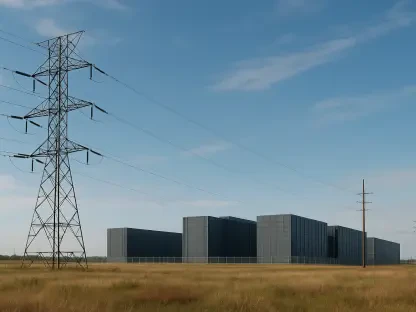
Technical assessments conducted by BBA have highlighted how this storage facility significantly optimizes the existing transmission infrastructure across Newfoundland and Labrador. One of the primary benefits is the enhancement of grid flexibility, which allows the utility to manage the flow of electricity more precisely during peak load periods. The project acts as a strategic buffer in western Newfoundland, where transmission bottlenecks have historically created challenges for power distribution. By storing energy locally, the Fischells facility reduces the need for expensive upgrades to high-voltage lines, maximizing the efficiency of the current system. This improved utilization ensures that wind energy projects can be integrated more reliably without compromising the safety or performance of the grid. Furthermore, the ability to provide localized grid services helps to stabilize electricity prices by reducing the technical losses associated with long-distance power transmission, creating a more resilient energy profile.
Financial Transformation and Sustainable Policy
Economic Benefits: Reducing the Cost of Clean Power
A preliminary financial analysis by Triple Point suggests that the Fischells Salt Dome Project is not only a technical necessity but an economic imperative for the region. The project is estimated to generate substantial net cost savings by reducing the reliance on expensive thermal generation units that typically require imported fuels. These savings, projected to reach hundreds of millions over the next decade, are derived from the project’s ability to provide capacity and ancillary services at a lower cost than fossil-fuel-based alternatives. By integrating this large-scale storage solution, the provincial electricity system can avoid the steep costs associated with peak-demand spikes and carbon pricing penalties. This financial stability is crucial for ensuring that the transition to green energy remains affordable for all stakeholders. The facility transforms a dormant geological asset into a valuable economic engine, providing a clear path toward fiscal responsibility while meeting the province’s ambitious environmental targets.
Strategic Integration: Shaping the Future Energy Landscape
In the years following the facility’s commissioning, provincial authorities established a clear regulatory framework that facilitated the rapid development of subterranean energy assets. The shift toward this advanced storage model was characterized by a collaborative effort between engineers and environmentalists, ensuring that the salt dome conversions met rigorous safety standards. Decision-makers successfully prioritized the deployment of Compressed Air Energy Storage to complement the expanding wind energy sector, which effectively stabilized the island’s energy prices and reduced greenhouse gas emissions. This proactive approach allowed the province to phase out older, high-emission thermal plants much sooner than originally anticipated. Moving forward, the focus shifted toward scaling these technologies to support international green hydrogen exports, leveraging the lessons from the Fischells facility. The successful operation of this site provided a blueprint for using natural features for energy security.