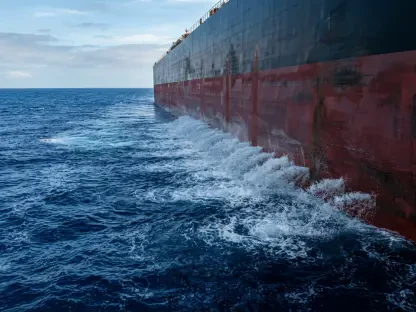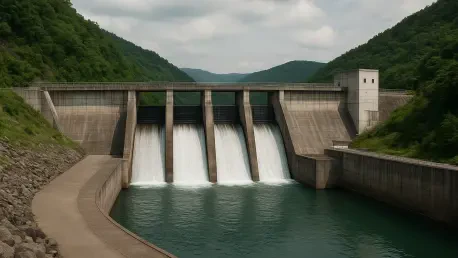

Transporting oversized components via the Caledonian Canal will require a specialized transfer point between sea-bound ships and smaller barges designed for inland navigation. This necessity has driven the Inverness Harbour Trust to initiate a major expansion of its infrastructure between the Longman and North Citadel Quays. By integrating a new sheet-piled quay, a floating pontoon, and a robust linkspan, the port is positioning itself as a critical node for roll-on, roll-off cargo. The facility is specifically engineered to handle vessels weighing up to 1,350 tonnes, ensuring that massive turbines and construction materials destined for hydro-electric schemes in the Great Glen can be moved efficiently. This development represents a sophisticated engineering response to the logistical bottlenecks inherent in highland geography, where narrow roads often struggle to accommodate the immense scale of modern energy equipment. This maritime solution not only addresses the immediate needs of the energy sector but also reinforces the port’s role as a primary gateway for heavy freight in the North of Scotland.
Transforming Regional Logistics: A Shift Toward Maritime Freight
This shift toward maritime freight naturally leads to a significant reduction in the logistical pressure currently placed on the Highland road network. By moving heavy plant machinery and construction materials by water, the project aims to minimize traffic congestion and the physical degradation of regional highways. This approach represents a structural realignment of industrial transport, leveraging the natural advantages of the Moray Firth to bypass narrow, winding land routes. For local commuters and businesses, this transition means fewer delays caused by slow-moving wide-load convoys that frequently bottleneck the A9 and surrounding local roads. Moreover, the integration of these specialized berths allows for a seamless transition between deep-sea vessels and inland barges, optimizing the supply chain for renewable energy developers. This maritime-first strategy not only enhances project timelines but also fosters a more sustainable relationship between the industrial sector and the regional infrastructure it relies upon.
Beyond alleviating road traffic, this initiative serves to restore the Caledonian Canal to its historic function as a vital commercial logistics artery. While the canal has seen high levels of recreational use in recent years, its industrial capacity remained underutilized until the current surge in renewable energy demand. The expansion at Inverness Harbour facilitates a return to these commercial roots, transforming the waterway into a corridor for high-value engineering components. As the first phases of the Great Glen hydro-power schemes commence in late 2026, the reliance on this waterborne route will become increasingly critical for regional success. By re-establishing this connection, the harbour trust is not only facilitating specific energy projects but is also laying the groundwork for a broader maritime economy. This approach ensures that the region remains competitive and capable of hosting diverse industrial activities that require high-capacity, low-impact transport solutions for the long term.
Environmental Stewardship: Balancing Industrial Progress and Local Impact
However, balancing these industrial gains requires a rigorous commitment to environmental stewardship, particularly during the ongoing impact screening stage. The Inverness Harbour Trust has acknowledged the complexities of dredging and construction noise, implementing comprehensive risk assessments to protect local biodiversity. To safeguard marine wildlife, the project includes the use of silt curtains and underwater acoustic monitoring to minimize the disturbance to sensitive species in the Moray Firth. Additionally, strict operational hours have been established to reduce the impact of construction activities on the residents of South Kessock and Merkinch. Preliminary technical reports indicate that the new quay infrastructure will not negatively affect local flood levels or coastal processes, providing essential reassurance to the community. This transparent and scientific approach ensures that the growth of the green energy sector does not compromise the environmental integrity or the social fabric of the surrounding area.
The strategic decision to invest in this permanent infrastructure reflected a commitment to regional stability and industrial resilience. By establishing a dedicated Ro-Ro facility, the trust provided a scalable solution that addressed immediate energy needs while securing future logistical capacity. Stakeholders recognized that the successful completion of this project served as a blueprint for how remote regions could integrate sustainable transport into their industrial planning. The focus transitioned from short-term problem-solving to long-term asset management, ensuring that the harbour remained a pivotal hub for the next five decades. To ensure continued success, local planners encouraged the adoption of similar water-first logistics models in other Highland developments to further decrease road dependency. This proactive investment eventually transformed the region’s transport dynamics, proving that maritime-centric planning was the most effective way to support large-scale renewable projects without compromising local infrastructure.