
Despite the widespread availability of curbside recycling programs across Southern California, many residents remain unaware that thousands of tons of hazardous materials and textiles still end up in regional landfills every single year. While the standard blue bin accepts plastic bottles and cardboard, it often serves as a false sense of security for more complex waste streams that require specialized handling. To bridge this gap, Ventura County has organized a significant collection event at the Government Center on November 20, specifically targeting items that typically fall through the cracks of municipal waste management systems. This initiative is not merely a cleanup effort but a strategic intervention designed to divert high-impact materials like electronic waste and textiles from the environment. By providing a centralized location for these hard-to-dispose-of items, the county is setting a precedent for how local governments can manage modern consumption habits through 2027 and beyond. The event emphasizes that recycling is a dynamic process requiring active participation.
Collaborative Frameworks for Material Recovery
Social Rehabilitation: The Impact of Industrial Partnerships
The success of this recycling initiative relies heavily on a strategic partnership between the Ventura County Public Works Agency, the General Services Agency, and Homeboy Industries. This collaboration demonstrates a unique intersection of environmental stewardship and social rehabilitation, as Homeboy Industries provides job training and employment for formerly incarcerated individuals and former gang members through its recycling programs. By utilizing a workforce that is often marginalized, the county ensures that the labor involved in sorting and processing complex waste serves a greater humanitarian purpose. This model transforms waste management from a purely logistical challenge into a platform for community development and personal growth. Participants in the program gain valuable technical skills while the county benefits from a reliable partner capable of handling the intricacies of material deconstruction. This approach suggests that sustainable practices are most effective when they address both social equity and environmental health.
Material Recovery: Repurposing Textiles for Industrial Use
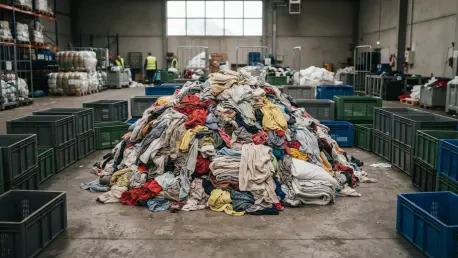
Textile waste presents a particular challenge for local municipalities because thrift stores often only accept items in pristine condition, leading to the disposal of slightly damaged or worn fabrics. The November 20 event addresses this inefficiency by accepting a wide range of clean textiles, including towels, sheets, and curtains, which might otherwise be rejected by traditional donation centers. Once collected, these materials are not merely discarded but are instead repurposed into essential industrial components like insulation, carpet padding, and mattress stuffing. This domestic recycling process reduces the reliance on virgin materials and keeps bulky fibers out of regional landfills, where they would otherwise take decades to decompose. By focusing on the material recovery of fabrics that are no longer fit for wear, the county is effectively closing the loop on textile consumption. This systematic diversion ensures that every scrap of clean fabric is recognized as a valuable commodity rather than a burden on the waste infrastructure.
Protecting the Environment Through Proper Management
Environmental Safety: Mitigating Risks of Hazardous Waste
Handling hazardous items such as electronic waste, old batteries, and fluorescent bulbs requires a level of care that goes far beyond the capabilities of standard residential collection routes. These items often contain toxic substances like mercury, lead, and cadmium, which pose significant risks to groundwater and soil quality if they are crushed in a garbage truck or left to rot in a landfill. The specialized event at the Ventura County Government Center provides a safe outlet for the public to dispose of these materials—a service that is frequently restricted to internal county departments. Beyond preventing environmental contamination, the recycling of electronics allows for the recovery of rare earth metals and other precious components that are vital for the manufacturing of new technological devices. This recovery process is essential for reducing the environmental footprint of mining operations. By simplifying the disposal process, the county mitigates the risk of illegal dumping and ensures hazardous components are safely processed.
Sustainable Future: Actionable Steps for Circular Living
The most effective path toward long-term waste reduction involves a combination of large-scale collection events and proactive individual lifestyle adjustments that emphasize repair over replacement. Local initiatives, such as the clothing exchange hosted by the Blue Ridge Market and Learning Center and upcoming creative workshops, offer practical ways for residents to extend the lifespan of their belongings before they reach the end of their utility. Residents are encouraged to seek out localized swap meets and repair cafes as the primary method for maintaining a sustainable household through 2028. These community-driven activities complement the formal recycling infrastructure by reducing the total volume of waste generated at the source. Moving forward, the focus shifts toward a holistic model where recycling serves as the final step in a cycle of reuse and careful maintenance. By adopting these strategies, individuals contribute to a broader culture of conservation that prioritizes the inherent value of existing products.