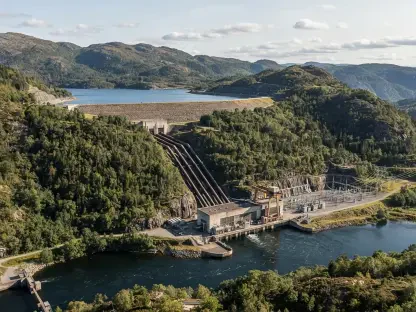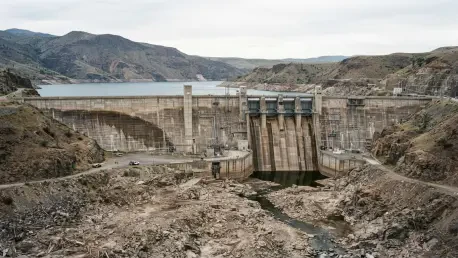

The rhythm of the Zambezi River has long dictated the economic heartbeat of Southern Africa, yet a shifting climate and the persistent El Niño phenomenon are currently threatening to silence the massive turbines that provide electricity to millions of homes and industries. The Zambezi River Authority (ZRA) has recently issued a stark warning regarding the 2026/27 rainfall season, indicating that the region must prepare for a significant reduction in hydroelectric capacity. As the reservoir levels at Lake Kariba continue to drop toward critical lows, the allocation for power generation is set to be slashed from 36 billion cubic meters to just 23 billion cubic meters in 2027. This proactive but painful measure reflects an attempt to prevent a total shutdown of the world’s largest man-made reservoir. With usable water expected to dwindle to a mere 5.83 billion cubic meters by the end of 2027, the dual engines of the Zambian and Zimbabwean economies are facing an unprecedented test of resilience. This situation is not merely a local inconvenience; it represents a systemic threat to the stability of the entire Southern African Power Pool, forcing governments to reconcile with a future where water is no longer a reliable energy source.
Water Scarcity: The Fragility of Shared Hydroelectric Resources
The dependency on the Zambezi River extends far beyond the immediate borders of the Kariba Dam, creating a ripple effect that touches nearly every aspect of regional development. For decades, the steady flow of water provided a cheap and relatively clean source of baseload power, allowing Zambia and Zimbabwe to expand their industrial bases without the heavy carbon footprint of coal. However, the current hydrological data suggests that this era of abundance has ended, as the cyclical patterns of drought become more frequent and severe. The ZRA’s decision to split the remaining water allocation equally between Zambia’s ZESCO and the Zimbabwe Power Company underscores the desperation of the current moment. This reduction necessitates immediate rolling blackout schedules that could last for sixteen to eighteen hours a day in some urban centers. Such disruptions are not just logistical hurdles; they represent a fundamental de-industrialization risk that could take years to reverse if the rains fail to return.
While the immediate focus remains on Kariba, the broader hydrological landscape of Southern Africa is showing similar signs of distress as smaller tributaries also begin to dry up. Mozambique and Malawi, which also rely heavily on river systems for their domestic electricity needs, find themselves caught in the same climate-driven trap. The Cahora Bassa station in Mozambique, often viewed as a regional backup, is unfortunately part of the same Zambezi basin and faces nearly identical environmental pressures. Consequently, the assumption that one country can simply import its way out of a drought is becoming increasingly untenable. The lack of diversification in energy portfolios has left these nations vulnerable to a single point of failure: the sky. Without a diversified mix including wind, solar, and perhaps a return to modernized coal or gas, the regional energy grid remains hostage to the whims of the annual rainfall, which is now proving to be an unreliable partner in the quest for economic growth.
Regional Relief: The Uncertain Role of South African Exports
In this darkening landscape, many eyes have turned toward South Africa’s Eskom as a potential savior due to its energy mix being predominantly based on coal rather than water. Eskom has reported a projected surplus of approximately two to three gigawatts, which could theoretically be channeled northward to alleviate the shortages in the Zambezi basin. However, this potential relief is far from guaranteed because South Africa’s domestic demand and strict reserve margin requirements must be satisfied before a single megawatt can be exported. The political pressure on Eskom to maintain its own grid stability is immense, especially following years of its own internal energy crises. Even if a surplus exists, the pricing of this emergency power is likely to be significantly higher than the domestic cost of hydropower, creating a financial burden for struggling economies. This economic reality means that while South Africa might have the electrons, the cost of acquiring them could be prohibitive for struggling nations.
Beyond the availability of surplus energy, the physical act of moving power across borders remains one of the most significant hurdles to regional stability. The Southern African Power Pool (SAPP) was designed to foster cooperation, yet recent performance data indicates that transmission constraints blocked roughly 33% of matched electricity bids. This means that even when a seller had excess power and a buyer was willing to pay for it, the aging and congested transmission lines were unable to handle the load. These bottlenecks effectively isolate energy-surplus regions from energy-deficit ones, rendering the concept of a shared regional market somewhat academic during times of peak crisis. To solve this, a massive infusion of capital is required to upgrade high-voltage lines and substations that have seen little investment since the late twentieth century. Without these upgrades, the region will continue to face a situation where power exists in one country while its neighbor remains in the dark, unable to bridge the gap.
Strategic Transitions: Building Resilience Beyond the Drought
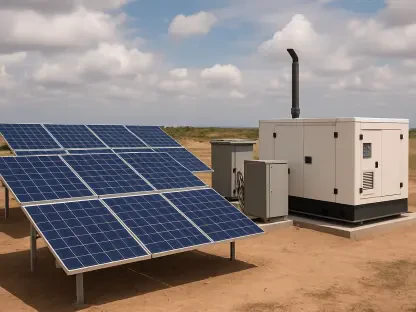
Addressing the energy shortfall required a multi-pronged approach that moved beyond the immediate management of reservoir levels and toward structural reform. Regional leaders recognized that the long-term solution involved the rapid deployment of decentralized solar and wind projects to complement the existing hydroelectric base. By diversifying the energy mix, countries like Zambia and Zimbabwe began to reduce their total dependence on the Zambezi River, effectively creating a buffer against future El Niño cycles. Additionally, the modernization of the Southern African Power Pool’s transmission infrastructure became a top priority for international development banks. These investments focused on removing the physical bottlenecks that previously prevented the efficient trade of electricity across borders. Governments also implemented more aggressive demand-side management programs, incentivizing industrial efficiency and household conservation to stretch every available megawatt. This period marked a transition from a passive reliance on nature to active, engineered resilience.
The crisis eventually served as a catalyst for deeper regional integration as neighbors realized that no single nation could survive the hydrological shifts in isolation. Cooperative agreements were signed to synchronize national energy policies and harmonize the regulatory frameworks governing cross-border power sales. This alignment allowed for more predictable investment climates, attracting private sector players who were previously hesitant to enter the volatile Southern African market. Furthermore, the integration of utility-scale battery energy storage systems helped smooth out the intermittency of the new renewable sources, providing much-needed stability to the regional grid. By the time the rainfall patterns returned to more historic norms, the foundation for a much more robust and flexible energy ecosystem had been firmly established. The lessons learned during the lean years between 2026 and 2028 proved that the region’s survival depended on its ability to coordinate resources and innovate under pressure, rather than simply waiting for the clouds to break.