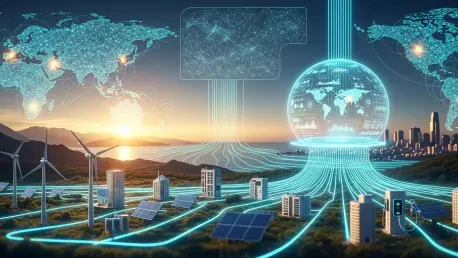

The traditional architecture of centralized power generation is rapidly yielding to a sophisticated network of interconnected digital assets that redefine how energy is produced and managed. For over a century, the global power grid operated on a straightforward, one-way model where massive coal or gas plants sent electricity across vast distances to passive consumers. However, as 2026 unfolds, this aging framework is struggling to keep pace with the volatile nature of wind and solar energy, leading to a surge in demand for Virtual Power Plants (VPPs). These systems represent a fundamental shift toward a decentralized and digital framework, using cloud-based software to orchestrate thousands of small-scale energy resources. From residential solar panels to industrial battery storage, these assets are now being linked to function as a single, cohesive power source. This transition is not just a technological upgrade; it is a complete reimagining of energy economics. By using advanced algorithms and real-time data monitoring, VPPs allow for a level of grid flexibility that was previously impossible, ensuring that the supply remains steady even when the sun sets or the wind dies down. The rapid expansion of this market, currently projected to grow significantly from 2026 toward 2035, reflects an urgent global need for a more resilient and sustainable infrastructure that can withstand the pressures of modern consumption.
Core Drivers of Decentralized Energy
Bridging the Gap: Integrating Renewables and Stability
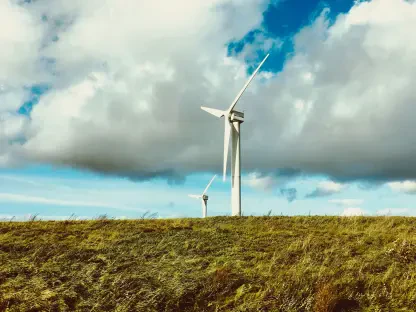
One of the most significant challenges facing modern energy operators is the inherent instability of renewable energy sources, which do not provide the same “baseload” reliability as traditional thermal plants. Because solar and wind production are entirely dependent on fluctuating environmental conditions, the grid often faces sudden spikes or drops in power that can lead to damaging frequency imbalances. Virtual Power Plants serve as an essential stabilizing force by aggregating thousands of “behind-the-meter” assets, such as home batteries and smart appliances, into a responsive reserve. When the wind stops blowing across a regional turbine farm, the VPP software can instantly signal thousands of residential battery systems to discharge their stored energy back into the grid. This coordinated response happens in milliseconds, providing a buffer that prevents blackouts and ensures a smooth flow of electricity. By turning millions of small participants into a collective shock absorber, VPPs allow for a much higher percentage of renewable energy to be integrated into the national grid without compromising the structural integrity of the existing infrastructure.
The reliance on carbon-intensive “peaker” plants is also being challenged by the increased efficiency of these digital energy networks. Traditionally, utilities have maintained expensive gas-fired plants that sit idle most of the time, only firing up during periods of peak demand, such as late afternoon on a hot summer day. These plants are both environmentally damaging and economically inefficient. VPPs offer a cleaner alternative by utilizing demand-side management to shave off these peaks. Instead of generating more power through fossil fuels, the VPP platform can temporarily reduce the power consumption of industrial cooling systems or electric vehicle chargers across a wide geographical area. This reduction in load has the same net effect on the grid as starting up a new power plant, but it is achieved through software-driven efficiency rather than combustion. As global carbon reduction targets become more stringent between 2026 and 2030, the ability to replace these high-emission peaker plants with orchestrated pools of clean, decentralized assets will be a primary driver for utility investment in VPP technology.
Infrastructure Evolution: Smart Grids and Storage
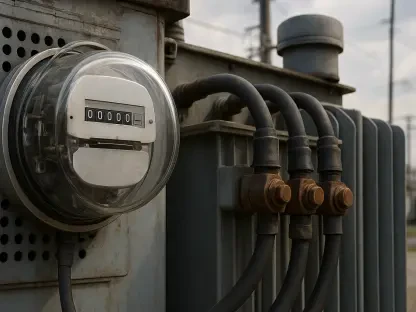
The transition toward a decentralized energy model is being underpinned by a massive global investment in smart grid technology and advanced metering infrastructure. Governments are currently prioritizing the deployment of smart meters that allow for high-speed, two-way communication between the utility provider and the end consumer. This digital link is the nervous system of any Virtual Power Plant, as it provides the real-time visibility required to manage thousands of different energy nodes simultaneously. Without this level of data granularity, it would be impossible for a central operator to know exactly how much capacity is available in a specific neighborhood or commercial district at any given moment. These smart grids also enable “time-of-use” pricing models, which provide financial incentives for consumers to allow their devices to be managed by a VPP. By creating a more transparent and interactive relationship between the producer and the user, smart infrastructure provides the foundational platform upon which the entire decentralized energy economy is being built during this decade.
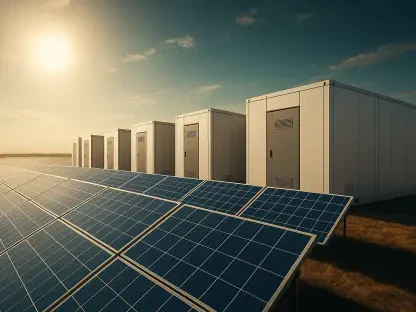
Parallel to these digital upgrades, the dramatic decline in the cost of lithium-ion and solid-state battery storage has made localized energy independence a reality for many households and businesses. A decade ago, home battery systems were niche luxury items, but they are now becoming standard components of residential solar installations. This proliferation of storage capacity provides the raw material that VPPs need to function effectively as a utility-scale resource. When an individual home stores solar energy during the day, it creates a flexible asset that the VPP can tap into during the evening peak. Furthermore, commercial enterprises are increasingly installing large-scale battery systems to avoid “demand charges” on their utility bills. These commercial assets are particularly valuable to VPP operators because they offer high-capacity discharge capabilities in concentrated locations. The synergy between falling storage costs and rising grid complexity has created a perfect environment for VPPs to move from experimental pilots to mainstream grid management tools, providing the flexible capacity that traditional infrastructure simply cannot match.
Technological Advancement and Implementation Barriers
Emerging Intelligence: AI and Electric Mobility
Artificial Intelligence and machine learning are the primary engines driving the increased sophistication of Virtual Power Plant orchestration. Modern VPP platforms use predictive analytics to analyze vast amounts of data, including hyper-local weather forecasts, historical usage patterns, and real-time market prices. By processing this information, the AI can anticipate exactly when a surge in demand will occur and prepare the network of batteries and EVs to respond before the grid actually feels the strain. This proactive management is a significant leap forward from the reactive strategies used in the past. For instance, if the algorithm predicts a sudden cloud cover over a major solar farm, it can preemptively ramp up discharge from interconnected batteries to maintain frequency stability. This level of automation reduces the need for human intervention and allows the system to operate at a scale that would be impossible for traditional dispatchers to manage manually, making the decentralized grid more autonomous and resilient as we move further into the 2026-2030 period.
The rapid electrification of the transportation sector is providing a massive, mobile battery resource that was previously untapped by the energy industry. Vehicle-to-Grid (V2G) technology is transforming electric cars from mere consumers of electricity into active participants in the energy market. When a fleet of electric vehicles is plugged into smart chargers at an office complex or residential parking garage, they represent a colossal amount of potential energy. A VPP can “borrow” small amounts of power from these parked cars during peak hours and then refill them later when demand is low and prices are cheaper. For the car owner, this creates a new stream of passive income, as utilities are willing to pay for the use of this storage capacity. This bidirectional flow of energy effectively turns the national vehicle fleet into a giant, distributed battery that can stabilize the grid on a scale that fixed storage cannot. As EV adoption continues to soar through 2026 and beyond, the integration of transportation and energy sectors will become one of the most powerful tools for managing the global transition to a sustainable grid.
Structural Hurdles: Regulations and Cybersecurity
Despite the clear benefits of decentralized energy, the widespread adoption of Virtual Power Plants is often hindered by regulatory frameworks that were designed for an era of centralized monopolies. Many regional energy markets still lack the necessary rules to allow small-scale “prosumers” to sell their excess energy back to the grid at fair market rates. In some jurisdictions, the process for connecting a VPP to the wholesale energy market is prohibitively complex and expensive, creating a barrier to entry for innovative tech firms. Furthermore, utility companies that own both the generation and distribution assets may view VPPs as a threat to their traditional business models, leading to resistance in adopting the necessary software standards for interoperability. To overcome these obstacles, regulators must move toward more open market designs, such as the frameworks being explored in North America under FERC Order 2222. These policies are designed to level the playing field, ensuring that distributed resources are compensated for the value they provide to grid stability and carbon reduction.
The digital nature of Virtual Power Plants also introduces a new frontier of risk in the form of cybersecurity threats. Because a VPP relies on a vast network of internet-connected devices, it creates a significantly larger “attack surface” for hackers compared to a single, isolated power station. A sophisticated cyberattack on a VPP platform could potentially disrupt power for thousands of homes by sending conflicting commands to residential batteries or smart thermostats. Protecting this digital-physical interface has become a top priority for developers, who are now incorporating blockchain technology and end-to-end encryption to secure the communication between the central controller and the individual devices. Additionally, there is a lack of global standardization for how these devices communicate, often referred to as the “interoperability challenge.” Different manufacturers use different protocols, making it difficult for a single VPP software to manage a diverse fleet of hardware seamlessly. Overcoming these technical and security barriers will require a collaborative effort between tech companies, utilities, and national security agencies to ensure that the digital grid is as safe as it is efficient.
Market Distribution and the Industry Outlook
Regional Progress: Comparing Global Adoption Patterns
The adoption of Virtual Power Plant technology is currently unfolding at different speeds across the globe, influenced by local policy, climate goals, and the existing state of infrastructure. North America and Europe are currently the dominant players, driven by aggressive decarbonization mandates and a mature ecosystem of technology providers. In the United States, states like California and New York are leading the way by integrating VPPs into their long-term energy planning to meet ambitious clean energy targets. Similarly, the European Union’s focus on energy sovereignty and the “Green Deal” has accelerated the deployment of decentralized systems across Germany, the UK, and the Nordic countries. These regions have benefited from robust financial incentives and a clear regulatory push toward digitalizing the energy sector. However, the fastest growth is now being seen in the Asia Pacific region, where rapid urbanization and a massive influx of renewable energy investments are creating a critical need for advanced grid management solutions in emerging economies.
Australia has emerged as a global laboratory for VPP development, largely due to its world-leading levels of residential solar penetration. In South Australia, where nearly half of all homes have rooftop solar, VPP trials have already demonstrated that thousands of interconnected home batteries can provide the same grid services as a large coal plant. Japan is also making significant strides as it seeks to diversify its energy mix and improve resilience following the challenges of the previous decade. These markets are particularly attractive to investors because they offer high electricity prices and a clear need for peak-shaving solutions. As we look toward 2030, the lessons learned from these early adopters will likely serve as a blueprint for other regions, such as Southeast Asia and South America, where decentralized grids offer a cost-effective way to provide reliable electricity to rapidly growing populations without the need for expensive, centralized infrastructure projects.
The Future Paradigm: Prosumers and Industry Giants
The competitive landscape of the energy industry is being reshaped by a mix of traditional industrial conglomerates and disruptive technology firms that are vying for control of the digital grid. Established giants like Siemens, Schneider Electric, and ABB are pivoting their business models toward software-defined energy management, leveraging their deep expertise in industrial hardware. At the same time, companies like Tesla and various specialized software startups are entering the fray with consumer-centric platforms that emphasize user experience and automated savings. This competition is driving a rapid pace of innovation, leading to more user-friendly interfaces that allow homeowners to track their energy contributions in real-time. The goal for these companies is no longer just to sell hardware, but to manage the ecosystem that connects that hardware to the wider energy market. This shift marks the end of the era of passive consumption and the beginning of the “prosumer” economy, where every building and vehicle is a potential source of revenue for its owner.
Looking beyond the immediate horizon, the integration of Virtual Power Plants will be the essential digital link that makes a truly sustainable and resilient energy future possible. As the world continues to move away from fossil fuels, the ability to orchestrate a vast and diverse array of clean energy assets will be the defining characteristic of a successful economy. VPPs are not just a temporary fix for grid instability; they represent a permanent move toward a more democratic and efficient energy system. In this new model, the distinction between a utility company and a consumer becomes increasingly blurred, as power flows in both directions and value is created at the edge of the grid. This transition will require continued investment in both hardware and human capital, as a new generation of engineers and data scientists is needed to build and maintain these complex digital systems. Ultimately, the successful deployment of VPPs will ensure that the global energy grid is capable of meeting the demands of a high-tech, electrified society while significantly reducing its environmental footprint.
Strategic Pathways: The Road Toward Energy Resilience
The journey toward a fully integrated digital grid required more than just technological breakthroughs; it demanded a fundamental shift in how societies valued energy resilience and local participation. Stakeholders discovered that by prioritizing interoperability and cybersecurity from the earliest stages of development, they could unlock the latent potential of millions of residential assets that were previously ignored by central planners. Regulators who moved quickly to adopt flexible pricing models and open-access market rules saw a much faster decarbonization of their local grids compared to those who clung to legacy systems and protected traditional utility monopolies. These early successes proved that a decentralized approach was not only technically feasible but also economically superior when accounting for the avoided costs of grid upgrades and carbon emissions. Investment in localized storage and smart orchestration proved to be a more cost-effective strategy than building massive, long-distance transmission lines that were increasingly prone to disruption from extreme weather events.
Ultimately, the successful deployment of virtual power plants demonstrated that a decentralized approach was the most robust defense against the increasing volatility of both the climate and global energy markets. To maintain this momentum, policymakers must now focus on harmonizing international standards for energy data to allow for the seamless scaling of VPP platforms across national borders. Continued investment in public-private partnerships will also be crucial for ensuring that the benefits of this technology reach all segments of society, including low-income communities that stand to gain the most from lower energy costs and improved local air quality. As the industry moves into the late 2020s, the focus must remain on building a grid that is flexible by design rather than by necessity. By treating every home, business, and vehicle as a vital node in a collective energy network, the global community can create a system that is not only cleaner and more efficient but also inherently more secure against the challenges of the future.