
California’s once-vaunted strategy of using household batteries to prevent blackouts is now hanging by a thread as state leaders weigh the cost of fiscal stability against the price of energy reliability. This innovative approach, known as a virtual power plant, allows the state to tap into thousands of small, distributed energy resources to stabilize the electrical grid during peak demand. However, the Newsom administration has proposed significant shifts in how these programs are funded and managed, leading to a heated debate over whether the state is prioritizing short-term budget balancing over long-term climate goals. The primary objective of this discussion is to explore the implications of these proposed cuts and understand the potential consequences for both the energy industry and ordinary ratepayers who have invested in green technology.
As the state navigates a complex fiscal environment, the future of the Demand Side Grid Support (DSGS) program remains uncertain. This initiative has been a cornerstone of California’s efforts to modernize its energy infrastructure without relying solely on traditional, polluting power plants. By examining the technical and economic facets of this policy shift, one can better grasp how the transition from a specialized state program to a utility-managed framework might alter the landscape of energy independence. Readers can expect to learn about the differences between proactive grid management and emergency response, the economic benefits of distributed energy, and the challenges of maintaining a reliable grid in an era of extreme weather and rising costs.
Key Questions Regarding the Future of Virtual Power Plants
Why Is the Demand Side Grid Support Program Currently at Risk?
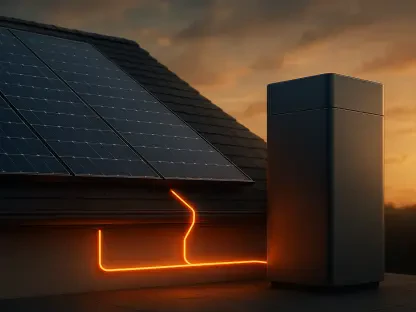
The Demand Side Grid Support program was established by the California Energy Commission as a direct response to the increasing frequency of grid emergencies and the need for more flexible energy resources. By paying owners of residential and commercial batteries to discharge power during times of high demand, the state created a reliable buffer that reduced the risk of rolling blackouts. This mechanism proved particularly effective during intense summer heatwaves, showing that a decentralized network of batteries could perform as well as, or even better than, traditional peaking plants. Despite this success, the program faces a precarious future because the state is attempting to reconcile a significant budget deficit by consolidating various energy initiatives.
Governor Newsom’s latest fiscal proposal seeks to eliminate independent funding for the program starting in 2027, with the current year serving as a bridge period for existing participants. The administration intends to shift the responsibilities and the participant base of this initiative into the Emergency Load Reduction Program, which is overseen by the California Public Utilities Commission. While this move is framed as an administrative simplification, critics argue that it ignores the unique operational successes of the current model. The transition threatens to dismantle a system that has already demonstrated its ability to provide hundreds of megawatts of clean power exactly when the grid needs it most.
What Happens if Oversight Shifts to the Emergency Load Reduction Program?
The proposed transfer of participants from a state-run program to one managed by major investor-owned utilities like PG&E and Southern California Edison has sparked a wave of concern among clean energy advocates. There is a fundamental difference in how these two programs operate: one is a proactive tool for daily grid balancing, while the other is traditionally viewed as a last-resort measure for acute emergencies. Industry leaders from companies like Tesla and Sunrun suggest that utility management often brings higher administrative hurdles and lower enrollment capacity. This shift could stifle the growth of virtual power plants just as they are becoming a vital component of the energy mix.
Moreover, the Emergency Load Reduction Program has historically been less frequent in its dispatch, which may reduce the financial incentives for consumers to participate in grid-sharing activities. If the payout for contributing power becomes less predictable or more difficult to access, the rate of residential battery adoption could slow down significantly. This loss of momentum would be detrimental to the state’s energy reliability, as a smaller pool of distributed resources makes the entire grid more vulnerable to fluctuations. The pushback from environmental nonprofits highlights the risk of losing a highly efficient, technology-driven solution in favor of a more rigid, utility-centric framework.
How Do Budget Cuts Influence Long-Term Electricity Affordability?
California is currently grappling with an affordability crisis, where retail electricity rates are among the highest in the nation due to massive investments in wildfire mitigation and aging infrastructure. Proponents of distributed energy resources argue that maintaining programs like the DSGS is actually a cost-saving measure in the long run. By leveraging existing private investments in home batteries, the state avoids the need to build expensive new transmission lines and centralized power plants. A study conducted by the Brattle Group indicated that maintaining the current program structure through 2028 could generate over two hundred million dollars in net system savings, a benefit that would eventually be passed down to ratepayers.
In contrast, cutting these programs may lead to higher long-term costs as the state is forced to find more expensive ways to meet peak demand. When the grid is stressed, the cost of purchasing emergency power from out-of-state or turning on inefficient gas plants can be astronomical. By eliminating the incentives for virtual power plants, the state may inadvertently drive up the total cost of energy for everyone. The debate underscores a critical tension: while the government seeks to save money in the current budget cycle, the resulting lack of flexible grid resources could lead to much higher infrastructure bills and emergency energy costs in the coming years.
Summary of the Current Energy Transition
The current landscape of California’s energy policy is defined by a struggle to balance fiscal responsibility with the urgent need for a modernized, resilient grid. While the administration views the consolidation of demand-response programs as a necessary step to address budget shortfalls, the clean energy sector warns of a potential step backward in innovation. The Demand Side Grid Support program represents a successful proof of concept for virtual power plants, and its absorption into a utility-managed framework raises questions about future efficiency and participant engagement. As the state moves toward the 2027 transition deadline, the focus remains on ensuring that the progress made in decentralized energy is not lost to bureaucratic reshuffling.
Maintaining the momentum of green technology adoption is essential for achieving long-term climate and reliability goals. The economic data suggests that virtual power plants offer a pathway to lower system costs and enhanced grid stability, provided that the regulatory environment remains supportive and predictable. The ongoing negotiations between the legislature and the governor’s office will ultimately decide whether California continues to lead the nation in distributed energy or if it reverts to a more traditional, less flexible utility model. For now, the bridge funding provides a temporary reprieve, but the long-term strategy for energy independence remains a subject of intense deliberation.
Final Reflections on California’s Grid Evolution
The evolution of the state’s power grid reached a critical juncture when the proposed budget revisions forced a re-evaluation of how public funds supported private energy assets. This situation served as a reminder that technological advancement often outpaced the regulatory frameworks designed to manage it. It became clear that the success of any virtual power plant depended not just on the software or the hardware, but on a stable policy environment that encouraged consumer participation. Stakeholders recognized that a move away from specialized support might have slowed the transition to a more democratic and resilient energy system.
Moving forward, the focus shifted toward finding hybrid models that could combine the stability of utility oversight with the agility of independent programs. Advocates suggested that future policies should prioritize transparent data sharing and streamlined enrollment to keep consumer interest high. The state also looked into expanding the types of devices that could contribute to the grid, such as electric vehicles and smart appliances, to diversify the pool of available resources. These actions ensured that the lessons learned from the fiscal challenges were applied to create a more robust and adaptable energy strategy for the next decade.