
The convergence of specialized agricultural techniques and sustainable energy infrastructure has reached a significant milestone in the Colombian Caribbean through the deployment of advanced solar technology specifically designed to support high-value medicinal crops. This development in Baranoa represents a shift toward energy-intensive pharmaceutical production that reduces reliance on the traditional power grid while setting a new standard for regional industry. By focusing on the rigorous requirements of medical cannabis, the project addresses the critical need for precise climate control and consistent irrigation systems. The facility serves as a practical demonstration of how modern industrial standards can be achieved while prioritizing environmental stewardship through carbon reduction. As electricity costs continue to fluctuate across the region, establishing a dedicated and renewable power source provides the financial stability necessary for long-term agricultural investment. This initiative highlights the importance of self-sufficiency in a sector that demands extreme precision at every stage of the growing cycle, from initial plant propagation to the final harvesting and medical processing.
Integrating Advanced Solar Technology Into Specialized Agriculture
Technical Infrastructure and Energy Generation Capacity
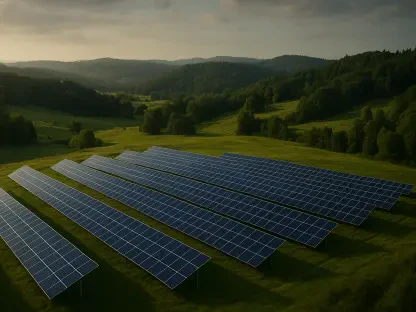
The heart of this operation is a sophisticated solar array consisting of 147 high-efficiency panels that have been meticulously installed to maximize sunlight capture in the tropical climate of Baranoa. This infrastructure boasts a capacity of 105.1-kilowatt-peak, which is engineered to generate approximately 178,670 kilowatt-hours annually. Such a substantial energy output is necessary to sustain the specialized equipment used in the cultivation of pharmaceutical-grade cannabis, which requires constant power for ventilation and automated nutrient delivery systems. By utilizing high-efficiency photovoltaic cells, the facility ensures that the energy yield remains consistent despite seasonal changes in cloud cover. This technical setup not only provides a reliable energy baseline but also minimizes the operational risks associated with voltage drops or power surges often encountered in rural areas. The integration of these panels represents a move toward decentralized power systems where agricultural entities become their own utility providers.
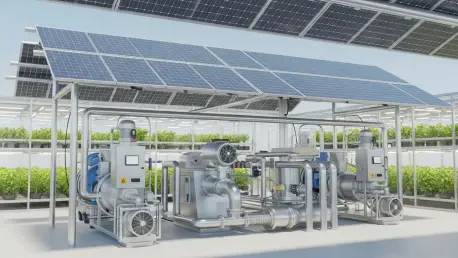
Building on this technical foundation, the energy produced by the solar farm is channeled directly into the complex environmental control systems that maintain the health of the cannabis plants. Pharmaceutical-grade production requires strict adherence to temperature and humidity parameters to ensure the chemical consistency of the final product. Without a stable power supply, even a brief failure in climate control could lead to the loss of an entire harvest, resulting in significant financial setbacks. Consequently, the solar farm acts as a primary energy source that stabilizes these vital processes, allowing for the continuous operation of high-powered grow lights and industrial dehumidifiers. This approach demonstrates a sophisticated use of renewable energy that goes beyond simple lighting to power the complex machinery of a modern bio-factory. By successfully marrying large-scale solar generation with indoor agricultural requirements, the project showcases the feasibility of maintaining high-tech cultivation environments in geographically challenging locations.
Strategic Implementation of the Agrivoltaic Model
The Colombian Ministry of Mines and Energy has identified this project as a blueprint for the “agrivoltaics” concept, where energy generation and crop production occupy the same land footprint to maximize efficiency. Traditionally, large-scale solar farms have required the clearing of vast tracts of land, but this model integrates the panels into the agricultural landscape, creating a symbiotic relationship between technology and nature. By selecting medical cannabis rather than more traditional sectors like coffee or cattle, the government is signaling a commitment to modernizing industries that offer high export value. This strategic choice highlights the potential for renewable energy to elevate the productivity of non-traditional agricultural exports. The project serves as a pilot for future developments across the Colombian countryside, suggesting that the path to modernization lies in the adoption of hybrid land-use strategies that support both national energy security and global trade.
Minister Edwin Palma has emphasized that achieving energy independence is vital for protecting emerging businesses from the volatility of high electricity bills and supply fluctuations. This shift in policy reflects a broader realization that the transition to clean energy must be paired with economic incentives for the private sector to ensure widespread adoption. By fostering an environment where renewable energy directly lowers production costs, the government encourages more companies to invest in sustainable infrastructure. This initiative is not merely about environmental protection; it is a calculated move to enhance the regional competitiveness of the Colombian pharmaceutical sector. As more agricultural producers look to stabilize their overhead costs, the success of the Baranoa facility provides a clear roadmap for integrating decentralized power into diverse farming operations. This forward-thinking strategy positions the nation as a leader in the intersection of green energy and high-tech biotechnology.
Socioeconomic Impacts and Environmental Sustainability
Economic Resilience Through Energy Independence
The move toward on-site renewable energy generation is a direct response to the need for greater economic resilience within the Colombian medical cannabis industry. By generating their own electricity, producers can significantly lower their long-term operational expenditures, which is crucial in a global market where price competition is increasingly fierce. This energy independence shields the company from the rising costs of the national grid, allowing for more predictable financial planning and resource allocation. Furthermore, the reduction in overhead costs allows the business to reinvest savings into research and development, further enhancing the quality and efficacy of their medicinal products. This cycle of savings and reinvestment is essential for sustaining growth in a high-tech agricultural sector that requires constant innovation. The ability to control energy costs directly translates into a more stable business model that can withstand global market shifts.
In addition to internal cost savings, the project enhances the local economy by creating specialized jobs in both the renewable energy and pharmaceutical sectors. The installation and maintenance of 147 solar panels require skilled technicians, while the high-tech cultivation facility employs workers trained in biotechnology and precision agriculture. This convergence of industries fosters a more diverse and skilled workforce in the Baranoa region, moving away from labor-intensive traditional farming toward tech-driven employment. The presence of such a facility also attracts interest from international investors who prioritize environmental, social, and governance standards in their portfolios. As global demand for sustainably produced medical products grows, companies that can prove their green credentials through initiatives like solar-powered production will have a distinct advantage. This project serves as a beacon for ethical investment, proving that economic viability and environmental responsibility are not mutually exclusive goals.
Environmental Stewardship and Industry Transformation
Integrating clean energy into the agricultural landscape provides a concrete path toward achieving national decarbonization goals and long-term environmental sustainability. The solar farm in Baranoa is expected to prevent the emission of approximately 35.7 tons of carbon dioxide annually, contributing to the collective effort to mitigate the impacts of climate change. This environmental benefit is particularly important for an industry like medical cannabis, which is often criticized for its high energy consumption when grown in controlled environments. By transitioning to solar power, the facility demonstrates that large-scale agricultural production can be decarbonized without sacrificing yield or quality. This commitment to green energy aligns with global efforts to reduce the carbon footprint of the pharmaceutical supply chain. As more industries adopt similar models, the cumulative impact on the nation’s total carbon emissions will be substantial, helping to meet international climate commitments.
Industry leaders and government officials agreed that the future of the Colombian countryside depended on the successful integration of high-tech crops and decentralized renewable power. The implementation of the solar project in Baranoa provided a functional prototype for self-sufficient agroindustrial models that other regions could replicate. To move forward, stakeholders should prioritize the expansion of microgrid technologies and the development of specialized tax incentives for agricultural producers who adopt renewable energy. It was clear that the transition to sustainable power required not only technical innovation but also supportive policy frameworks that encouraged long-term capital investment. By focusing on energy-intensive sectors like medical cannabis, the industry established a benchmark for how specialized agriculture could lead the way in environmental stewardship. Future considerations included the integration of battery storage systems to ensure twenty-four-hour energy reliability, further decoupling high-value production from the constraints of the traditional power infrastructure.