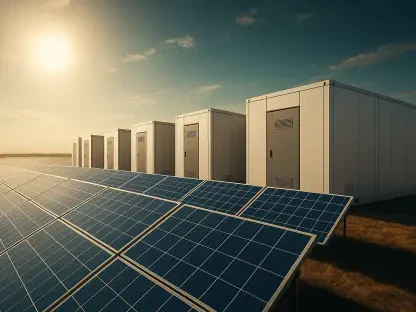

A massive surge in global energy consumption is currently testing the limits of infrastructure that was largely designed for a different technological era entirely. As nations race toward carbon neutrality, the focus has shifted from merely increasing generation capacity to securing the integrity and reliability of the transmission networks that carry this vital resource. Modern power systems are undergoing a radical transformation, moving away from the static, centralized architectures of the past toward highly dynamic, decentralized models that integrate a vast array of renewable sources. This transition is not simply about replacing coal with wind or solar; it is about creating a sophisticated digital layer that acts as the brain of the energy system. Without this intelligence, the inherent variability of green energy would lead to frequent instability, making digitalization the cornerstone of national security and economic growth. Investment in these digital frameworks ensures that electricity remains a constant, reliable force in an increasingly volatile world.
The Challenges: Navigating the Decentralized Energy Landscape
The rapid expansion of the digital economy has placed unprecedented pressure on existing power grids, particularly as high-performance computing and massive data centers become the backbone of modern industry. These facilities require a level of power stability and uptime that legacy systems, originally built for one-way flows from large coal or nuclear plants, were never intended to provide. In regions striving to become global technology hubs, the disparity between aging infrastructure and modern demand is becoming a critical bottleneck. These older networks often lack the sensory capabilities to detect localized fluctuations in real-time, leading to a higher risk of cascading failures when demand peaks unexpectedly. To bridge this gap, engineers are now prioritizing the deployment of high-resolution sensors and edge computing devices. These tools allow for more granular monitoring of power quality, ensuring that the heavy electrical loads required by advanced manufacturing do not compromise the stability of the broader regional network.
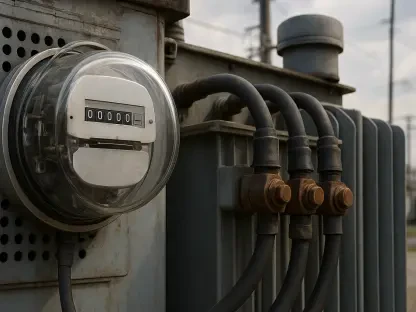
Beyond industrial demand, the rise of the “prosumer”—a consumer who also generates energy via rooftop solar or stores it in electric vehicle batteries—is fundamentally altering the physics of the grid. While these distributed energy resources offer a path to sustainability, they also introduce significant visibility challenges for traditional distribution system operators. When thousands of individual homes are feeding power back into the system simultaneously, it creates complex reverse power flows that can damage equipment or cause local voltage spikes. Without a robust digital interface to manage these interactions, grid operators remain blind to a significant portion of the energy activity occurring at the residential level. Addressing this lack of transparency requires the widespread adoption of smart metering and advanced distribution management systems that can aggregate and orchestrate these small-scale sources. By turning millions of decentralized assets into a coordinated virtual power plant, digitalization allows the grid to absorb more renewable energy without sacrificing the predictability that modern societies require.
Autonomous Intelligence: The Modern Nervous System
Digitalization operates as the essential nervous system of the contemporary power grid, offering the sophisticated visibility and control necessary to balance increasingly erratic energy flows. Central to this evolution is the deployment of artificial intelligence and digital twin technology, which allows operators to maintain a living, virtual replica of the entire physical network. These digital simulations provide a safe environment to test stress responses and predict equipment failure long before it occurs in the real world. By analyzing vast amounts of historical and real-time data, AI algorithms can forecast weather-related interruptions or demand surges with remarkable precision. This predictive capability transforms grid management from a reactive discipline into a proactive strategy, where potential crises are mitigated through early intervention. As the complexity of integrating millions of smart devices grows beyond human cognitive capacity, these autonomous digital tools become the only viable way to ensure that energy supply and demand remain perfectly synchronized at every microsecond of operation.
One of the most revolutionary aspects of this digital shift is the development of self-healing networks that can isolate faults and restore power without human assistance. When a physical disruption occurs, such as a line break caused by extreme weather, autonomous switches and intelligent controllers immediately identify the location of the fault. These systems then reroute electricity through alternative pathways, effectively “healing” the network and minimizing the impact on consumers. This capability is complemented by dynamic demand management, which utilizes connected devices to adjust consumption patterns based on current grid conditions. For instance, smart chargers for electric vehicles can be programmed to pause charging during peak hours or even discharge energy back into the grid when the system is under extreme pressure. This bidirectional relationship turns millions of vehicles into a giant, flexible buffer that helps maintain frequency and voltage stability. Such autonomous interventions are crucial for building a resilient infrastructure that can withstand both physical damage and the unpredictable nature of modern energy generation.
Regulatory Reform: Transitioning toward Integrated Frameworks
While the technological foundations for a resilient grid are rapidly maturing, outdated regulatory frameworks continue to pose a significant barrier to the full adoption of digital solutions. Many current policies were drafted during an era when the only meaningful investments were in “hard” physical assets, such as large-scale transmission lines and central power stations. Consequently, the financial incentives for utilities often favor building more concrete infrastructure rather than investing in “soft” digital upgrades and software-driven optimization. To overcome this inertia, governments must reform market mechanisms to prioritize flexibility, efficiency, and intelligence over sheer physical volume. This means creating revenue models that reward operators for maintaining grid stability through smart algorithms and demand-side management. By aligning financial incentives with the goals of digitalization, the energy sector can accelerate the deployment of the advanced sensors and AI-driven platforms needed to manage a modern, clean energy economy. The transition requires a move toward performance-based regulation that values the outcome of a resilient supply.
The ultimate goal of digitalization is the creation of a truly integrated “System of Systems,” where electricity, natural gas, and hydrogen infrastructures are digitally linked to maximize efficiency. This level of synergy allows for sophisticated sector coupling, where excess renewable electricity can be converted into hydrogen for long-term storage or industrial use. Achieving this interconnectedness depends heavily on data standardization and the adoption of open, shared protocols that allow disparate software platforms to communicate across different utilities and sectors. Breaking down these traditional data silos ensures that information flows as freely as the energy itself, providing a holistic view of the entire national energy landscape. Such a coordinated approach enables operators to optimize resources across different energy carriers, ensuring that no watt of renewable power is wasted. By building a unified digital ecosystem, the energy sector can move beyond the limitations of isolated networks, creating a robust and flexible foundation that is capable of meeting the evolving energy demands of both heavy industry and local communities through 2030 and beyond.
Strategic Implementation: Lessons in Resilience and Actionable Insights
The journey toward a fully digitalized and resilient power grid was marked by a fundamental shift in how global leaders approached energy security and infrastructure investment. Decision-makers moved beyond the traditional focus on generation capacity and instead prioritized the integration of advanced software layers that could orchestrate complex, decentralized systems. This transition required the adoption of rigorous data security protocols to protect the grid from emerging cyber threats, ensuring that digitalization did not create new vulnerabilities. Organizations that successfully navigated this period were those that embraced cross-sector collaboration and invested heavily in workforce training to manage high-tech assets. These entities also pioneered the use of predictive analytics to reduce operational costs and enhance the longevity of their physical equipment. By looking back at these developments, it became clear that the most resilient systems were those that treated data as a primary resource, as valuable as the electricity itself. This historical shift laid the essential groundwork for a stable, carbon-neutral energy future that now supports global economic prosperity.
The final phase of this transformation was characterized by a broad commitment to standardizing communication protocols across all levels of the energy value chain. By establishing these common digital languages, the energy sector eliminated the fragmentation that once hindered the rapid scaling of smart technologies. Authorities also updated building codes and industrial standards to ensure that all new connections were “grid-ready,” meaning they could participate in autonomous demand-response programs from the moment they were activated. This proactive approach turned every home and factory into an active participant in maintaining grid stability. Furthermore, the successful integration of digital twins and AI-driven forecasting allowed operators to navigate the uncertainties of a changing climate with unprecedented confidence. These actions collectively ensured that the energy infrastructure remained robust enough to handle the surge in demand from the global electrification of transport and heating. Ultimately, the lessons learned from this digital overhaul provided a definitive blueprint for how modern societies could balance the competing demands of sustainability, reliability, and economic growth through innovative technological integration.