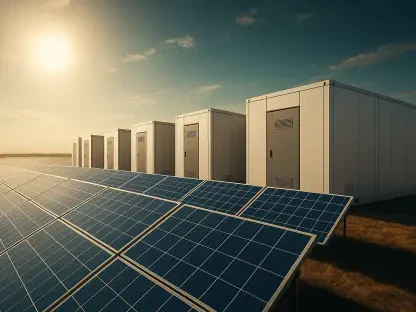

Utility companies including PSE&G and JCP&L will eventually verify the performance of residential batteries to determine the appropriate incentive payouts. As New Jersey accelerates its transition toward a decentralized energy landscape, the Board of Public Utilities has introduced a framework that transforms private energy storage into a collective public asset. This ambitious 150-megawatt capacity block is designed to alleviate the pressure on an aging electrical grid by incentivizing homeowners and businesses to install smart battery systems. Unlike traditional power plants that operate from a central location, this virtual infrastructure leverages thousands of smaller units distributed throughout the state. By integrating these systems into the daily management of the electrical load, New Jersey aims to create a more resilient and cost-effective energy market. This shift reflects a growing recognition that the path to energy security involves turning every building into a source of stability for the entire community.
Transforming Home Batteries Into Grid Assets
At the heart of this proposal lies a performance-based incentive structure that redefines how residential and commercial batteries contribute to the regional power network. For several years, backup batteries were primarily marketed as personal insurance policies against storm-related blackouts, providing peace of mind but remaining idle most of the time. The new program shifts this paradigm by offering annual payments over a ten-year duration to participants who allow their stored energy to be utilized during peak demand periods. This change effectively turns a static piece of hardware into a dynamic grid participant, where the value of the battery is determined by its ability to discharge power when it is most needed. By providing a clear financial return, the state encourages a broader segment of the population to invest in storage technology, which in turn strengthens the collective capacity of the grid to handle unexpected fluctuations in energy supply and demand today.
Implementation of these distributed resources will be spearheaded by the state’s investor-owned utilities, including Atlantic City Electric and Rockland Electric. These companies are tasked with the technical integration of residential batteries into their dispatch protocols, ensuring that the systems can respond instantly to signals from grid operators. During periods of extreme stress, such as intense heatwaves or severe winter storms, these utilities will trigger a coordinated release of stored energy to offset the high demand. This localized response helps to mitigate the risk of widespread outages and reduces the need for the state to purchase expensive emergency power from out-of-state sources. The success of the program depends on the ability of these utilities to maintain seamless communication with individual battery inverters while accurately tracking the volume of electricity contributed. This level of coordination ensures that the grid remains stable even as consumption patterns become more unpredictable.
Financial Impacts and Market Stability
The economic rationale for a statewide virtual power plant is largely driven by the rising costs associated with expanding traditional transmission lines and building peak-load power stations. Constructing new physical infrastructure in a densely populated state like New Jersey is both expensive and time-consuming, often taking years to clear environmental and regulatory hurdles. By contrast, deploying distributed storage can be accomplished much faster and at a lower overall cost to the ratepayer. When batteries release energy during peak hours, they reduce the ‘peak load,’ which is the most expensive time to buy electricity. This strategic load shifting prevents the state from having to over-invest in infrastructure that only gets used a few days out of the year. Furthermore, by optimizing the use of existing green energy sources, such as rooftop solar, the state can ensure that renewable energy is not wasted during periods of low demand, providing a benefit even to those who do not own a battery.
Transitioning to a model of active energy participation represents a fundamental shift in how residents and businesses interact with the marketplace. In the past, consumers were passive recipients of electricity, with little influence over the price or reliability of the supply. The virtual power plant model empowers the average New Jerseyan to become a micro-producer, contributing to the balance of the regional grid while being compensated for their role. This democratization of energy production fosters a more competitive market where decentralized resources can challenge the dominance of large-scale utilities and traditional fossil fuel generators. As more people join the network, the cumulative effect becomes significant enough to influence regional energy prices and reduce the reliance on carbon-intensive ‘peaker’ plants. This move toward market decentralization is essential for building a modern economy that is both environmentally sustainable and economically resilient for all types of users across the state.
The Implementation Roadmap: Transitioning to Open Access
For the individual homeowner, the primary appeal of participating in the virtual power plant program is the significant improvement in the return on investment for solar-plus-storage systems. While the environmental benefits have always been clear, the high upfront cost of lithium-ion batteries has historically been a barrier to entry for many families. The introduction of recurring incentive payments, combined with existing federal tax credits, makes these systems financially accessible to a much wider demographic. However, the program also introduces new considerations regarding the daily operation of home energy systems, such as how much charge must be reserved for personal backup during a potential storm. Regulators are currently working to define the ‘event durations’ and discharge limits to ensure that homeowners are never left in the dark when they need their batteries most. Finding this balance between public grid support and private backup security is essential for gaining the trust of the public to reach the state goals.
The roadmap for this initiative established several critical milestones that guided the state through a successful transition toward a fully integrated power grid. Following a period of extensive stakeholder engagement and public comment, New Jersey finalized the rules for an interim program that launched mid-2027 to establish formal operations. This initial phase allowed utilities and regulators to fine-tune the communication protocols and verification systems required for high-volume energy aggregation. By 2029, the state expanded this framework into an open-access model that permitted these aggregated resources to compete directly within the wholesale energy markets. This progression ensured that the virtual power plant evolved from a subsidized pilot into a self-sustaining component of the regional economy. Moving forward, stakeholders prioritized the continuous updating of hardware standards to keep pace with rapid advancements in battery chemistry and software intelligence. These actions solidified the leadership in decentralized energy and provided a scalable blueprint.