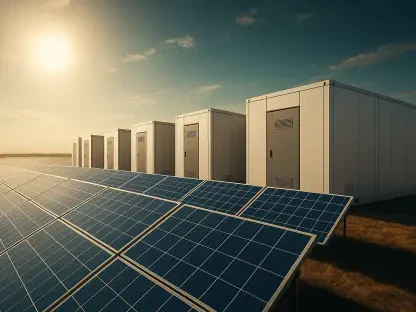

The traditional architecture of the New Jersey energy grid is currently being dismantled in favor of a sophisticated, decentralized network that treats every home battery and electric vehicle as a critical power source. This shift represents a fundamental reimagining of how electricity is generated, stored, and distributed, moving away from massive, central plants toward an interconnected web of distributed resources. By aggregating thousands of small-scale assets into a cohesive Virtual Power Plant, or VPP, the New Jersey Board of Public Utilities is attempting to build a flexible supply of power that can be dispatched precisely when demand peaks. This approach not only enhances the overall reliability of the grid but also reduces the long-term reliance on expensive and aging fossil-fuel infrastructure. As the state moves forward with this ambitious plan, the integration of smart appliances and residential storage systems is becoming a cornerstone of a modern energy strategy that prioritizes local resilience and technological innovation.
Strategic Transition: Phased Implementation and Market Maturation
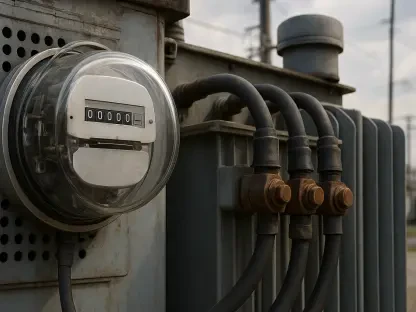
The strategic roadmap for this transition begins with an initial implementation phase scheduled for mid-2027, focusing on establishing a solid foundation through major electric utilities. During this period, utilities will utilize their existing smart meter infrastructure and established demand-response platforms to evaluate how distributed energy resources interact with the larger grid. This transitional stage is designed to provide a controlled environment where technical performance and data accuracy can be rigorously tested before the program is opened to the broader commercial market. By starting with utility-led programs, the state can identify potential bottlenecks in communication protocols or energy dispatching logic without risking widespread instability. These early pilots are crucial for determining the actual capacity of aggregated residential batteries and how effectively they can contribute to local grid support during periods of extreme weather or high demand. This data-driven approach ensures that the eventual full-scale rollout is supported by a robust understanding of operational constraints.
Following the initial testing period, the program is slated to evolve into a permanent, market-driven model by 2029, allowing for a much more dynamic and competitive energy landscape. This second phase aims to create a friction-free environment where third-party aggregators and independent technology companies can compete alongside traditional utilities to manage distributed assets. By opening the market to private investment, New Jersey hopes to spur a new wave of innovation in software management and consumer-facing energy products. In this mature stage, homeowners and businesses will find it increasingly easy to enroll their devices into the network, knowing that they are participating in a transparent and efficient regional energy market. This shift toward a competitive framework is intended to drive down costs for participants while maximizing the total available power for the grid. The ultimate goal is to transform the VPP from a niche experimental program into a core component of the state’s energy mix, providing a scalable and responsive tool for grid operators to manage supply and demand.
Economic Architecture: Financial Structures and Participation Incentives
A primary pillar of the state’s proposal involves the creation of clear financial pathways for participants, centered on the concept of non-discriminatory access and technological neutrality. One of the most significant features of this new framework is the implementation of payment stacking, which allows the owners of distributed resources to receive compensation from multiple sources simultaneously. For instance, a homeowner with a solar-plus-storage system could be paid by a local utility for providing local grid services, such as voltage regulation, while also earning revenue from the regional wholesale market for contributing to broader energy reserves. This multi-layered incentive structure is designed to maximize the economic value of private investments in clean energy technology, making it more attractive for residents to participate. However, the Board of Public Utilities must carefully define these roles to ensure that the services provided do not overlap in a way that leads to double-counting or market inefficiencies. Maintaining this balance is essential for ensuring that the system remains fair for both the participants and the general ratepayers.
Different utility companies are currently experimenting with various incentive models to determine which approach most effectively encourages long-term consumer engagement. Public Service Electric and Gas Company, or PSE&G, has proposed a model that provides upfront financial assistance to help customers overcome the initial high cost of installing home battery systems. In this arrangement, the cost of the hardware is effectively subsidized or financed through the customer’s utility bill over several years, lowering the barrier to entry for many households. Other providers are exploring performance-based compensation models where participants receive direct cash payments at the end of each year based on how much energy they shared with the grid during peak windows. These diverse strategies are being tested to find the right combination of immediate rewards and long-term financial benefits that will prevent participants from opting out of the program after the initial novelty wears off. Success in these pilots will likely dictate the standard financial templates that will be used when the market-driven phase begins toward the end of the decade.
Sustainable Integration: Navigating Operational Risks and Policy Goals
Despite the clear benefits of a decentralized grid, the state must navigate significant technical and social challenges to ensure the long-term viability of Virtual Power Plants. One of the most pressing concerns for regulators is the risk of customer attrition, which occurs when participants decide to disconnect their devices or opt out of the program due to intrusive management practices. If a significant number of residents choose to withdraw their resources simultaneously, it could undermine the reliability of the grid and leave operators without the expected power reserves during a crisis. To mitigate this risk, the software systems managing these assets must be designed to be as unobtrusive as possible, ensuring that the homeowner’s primary needs, such as a fully charged vehicle or a warm house, are always prioritized. Additionally, the integration of thousands of disparate software platforms into a single, cohesive dispatching system requires high levels of cybersecurity and data interoperability. Ensuring that different brands of smart appliances can talk to a central grid controller is a massive undertaking.
The successful integration of Virtual Power Plants into the New Jersey energy landscape provided a clear pathway for achieving ambitious carbon-neutrality goals without the need for prohibitive infrastructure spending. By prioritizing software-driven solutions and private technology investments over traditional brick-and-mortar utility projects, the state managed to build a more resilient and flexible power grid. This evolution necessitated a close collaboration between regulators, utility providers, and private tech companies to ensure that the decentralized system remained stable under various conditions. The lessons learned from the early transitional phases allowed for a more seamless transition to the market-driven model that eventually dominated the energy sector. Looking ahead, the focus shifted toward expanding these capabilities to include more diverse assets and refining the algorithms that governed automated energy dispatching. The policy framework established during this period served as a model for other states seeking to modernize their grids in an era of increasing electrification. Ultimately, the move toward distributed resources secured a cleaner and more cost-effective energy future for all residents.