
The unprecedented surge in energy consumption triggered by the rapid expansion of the data center industry has pushed regional power grids to their absolute limits and forced policymakers to reconsider old energy paradigms. Illinois stands at a significant crossroads where the demand for massive computing power intersects with the state’s commitment to a carbon-free future. This tension has historically created a volatile market environment characterized by rising electricity prices and delays in connecting new resources to the electrical grid. To address these systemic pressures, the state has moved beyond reactionary measures and toward a more integrated, strategic framework known as the Clean and Reliable Grid Affordability (CRGA) Act.
The genesis of this legislation was rooted in the realization that traditional market signals alone could not keep pace with the sheer speed of modern industrial growth. As regional grid operators like MISO and PJM struggled with backlog issues and fluctuating load forecasts, Illinois leaders recognized that a lack of foresight could lead to severe price spikes for everyday ratepayers. By shifting the focus from short-term market reactions to comprehensive long-term planning, the CRGA Act sought to provide a steady hand in an otherwise turbulent sector. This approach was designed not just to keep the lights on, but to do so in a way that prioritizes affordability and environmental stewardship.
From Market Volatility to Strategic Planning: The Genesis of the CRGA Act
The transition to a proactive energy model became essential as the limitations of a deregulated, market-only approach became increasingly apparent. For years, the state relied on price signals to attract new generation, but the current era of rapid electrification and data center proliferation rendered those signals too slow and too unpredictable. Industry observers noted that without a centralized planning mechanism, the state risked a scenario where infrastructure development lagged years behind the actual needs of the economy. The CRGA Act filled this gap by introducing a roadmap that synchronized the growth of energy-intensive industries with the deployment of clean energy resources.
Furthermore, the economic implications of this shift were profound, as the legislation aimed to decouple grid reliability from the volatility of fossil fuel markets. By anchoring the state’s strategy in diversified, local energy production, policymakers sought to shield consumers from the external shocks that often characterize global natural gas and coal supply chains. The act emphasized that reliability does not require a return to the expensive and polluting “baseload” tropes of the past. Instead, it proposed that a well-planned grid, supported by technological foresight, could offer superior price stability while meeting the rigorous demands of a 21st-century digital economy.
Deconstructing the Pillars of a Modernized Electrical Infrastructure
The shift toward a modernized grid required a fundamental reevaluation of what constitutes a reliable power source. Traditional infrastructure often relied on a few massive, centralized plants to meet the state’s needs, but this centralized model has shown signs of strain under the weight of modern demand spikes. Experts in the field argued that a more resilient system must be built on a foundation of diversity and decentralization. By spreading energy production and management across a wider array of technologies and locations, the grid became less vulnerable to single points of failure and more capable of responding to local needs in real time.
This modernization effort was not merely about adding more capacity; it was about the intelligent orchestration of that capacity. The CRGA Act provided the legislative scaffolding for integrating sophisticated demand-side management with utility-scale renewable projects. This integrated resource planning allowed the state to treat energy efficiency and residential storage as tangible grid assets, effectively turning passive consumers into active participants in the power ecosystem. This structural evolution marked a departure from the one-way flow of electricity, moving instead toward a dynamic, two-way exchange that optimized every kilowatt-hour generated within the state’s borders.
The Limitations of Legacy Power: Why Centralized Fossil Fuels Fail the Speed Test
In the face of immediate capacity shortfalls, the historical impulse was often to greenlight new natural gas turbines or extend the life of aging coal plants. However, these legacy solutions frequently failed the “speed to power” test required by the modern economy. Constructing a new centralized power facility can take years, if not a decade, due to complex permitting, supply chain bottlenecks for large components, and environmental reviews. By the time these plants eventually came online, the market conditions and technological landscape had often shifted so significantly that the assets became economically or environmentally obsolete before they could provide a return on investment.
Moreover, the high capital costs associated with centralized fossil fuel projects often resulted in significant budget overruns that were ultimately passed down to the ratepayer. These projects locked communities into decades of carbon emissions and fuel price dependency, creating a rigid system that was unable to adapt to the falling costs of renewable technologies. Industry leaders increasingly observed that the inflexibility of these large-scale investments made them a risky bet compared to the modular and rapid deployment of wind, solar, and battery storage. The inability of legacy power to pivot quickly to meet sudden load growth exposed the fundamental mismatch between 20th-century technology and modern energy needs.
Harvesting Residential Energy: The Rise of Virtual Power Plants as a Grid Solution
A transformative component of the new energy landscape was the rise of Virtual Power Plants (VPPs), which aggregated thousands of small-scale residential assets into a singular, dispatchable resource. By linking smart thermostats, home batteries, and electric vehicle chargers, the state could effectively create a “plant” that existed across the entire distribution network. During periods of peak demand, the grid could instantly call upon these distributed assets to reduce strain or inject stored power back into the system. This capability offered a level of agility that traditional power plants could never match, providing instantaneous response times to stabilize frequency and manage load.
The rollout of VPPs in Illinois followed a strategic two-phase approach designed to maximize immediate impact while building toward a sophisticated future. The initial phase focused on incentivizing residential battery owners to discharge their systems during the hottest summer afternoons, directly reducing the need for expensive and dirty peaker plants. The second phase involved deeper integration, allowing the grid to orchestrate millions of devices with precision. This decentralized power not only lowered the clearing prices in capacity auctions for everyone but also empowered individuals to reduce their own energy bills. The success of this model illustrated that the most effective way to manage a massive surge in demand was to look toward the grid’s edge rather than just its center.
Storage as the Grid’s Swiss Army Knife: Navigating the 3GW Mandate
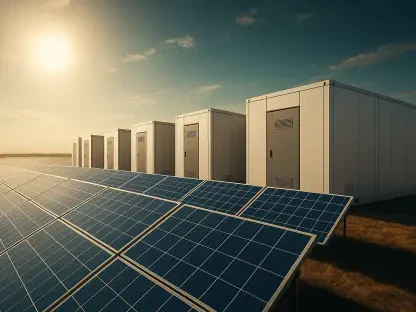
The state’s commitment to achieving 3 gigawatts of utility-scale energy storage by 2030 represented a critical pillar of the CRGA Act. Storage was often described as the “Swiss Army Knife” of the modern grid because of its versatile ability to provide multiple services simultaneously. Beyond simply shifting solar production from midday to the evening peak, large-scale batteries provided essential grid services like frequency regulation and voltage support. This flexibility allowed the existing infrastructure to operate more efficiently, delaying or even eliminating the need for costly substation upgrades and new transmission lines that would otherwise be required to handle data center loads.
However, navigating the path to this 3GW mandate required more than just setting targets; it necessitated a shift in how storage was valued and compensated in the marketplace. For a long time, energy markets were designed for generators that consumed fuel, making it difficult for storage providers to monetize the full spectrum of their grid-stabilizing benefits. The CRGA Act sought to modernize these valuation frameworks, ensuring that the long-term reliability provided by batteries was reflected in state planning and procurement. By treating storage as a core component of the integrated resource plan, Illinois ensured that the grid remained balanced and resilient even as intermittent renewable energy became the dominant source of power.
Lessons in Resilience: Contrast and Comparison With National Policy Shifts
While Illinois leaned into a proactive planning model, other states across the nation struggled with conflicting policy signals that often undermined their own energy goals. In some regions, a false binary emerged where leaders felt forced to choose between climate targets and immediate reliability, leading to a rollback of environmental standards in a desperate bid to keep existing plants operational. For instance, some traditionally progressive states faced challenges when they attempted to cut energy efficiency programs while simultaneously trying to manage rising costs. These “unforced errors” highlighted the danger of viewing the energy transition as a series of disconnected reactions rather than a unified strategy.
In contrast, the Illinois model demonstrated that climate commitments and ratepayer protection could be mutually reinforcing. By viewing renewable energy and demand-side management as the fastest and most cost-effective resources available, the state avoided the backtrack seen elsewhere. Experts noted that states like California and New York often faced legislative or executive hurdles that left proven renewable resources underutilized during critical times. Illinois’ decision to codify a long-term resource plan helped it avoid these pitfalls, creating a stable regulatory environment that attracted investment and ensured that every part of the energy system was pulling in the same direction toward a reliable, carbon-free future.
Navigating the Energy Transition: Practical Strategies for Industry Leaders
For industry leaders and grid operators, the primary takeaway from the current energy transition was the necessity of agility in infrastructure deployment. The time when a utility could rely on a single ten-year construction project to meet growth was over; the new standard required a diverse portfolio of resources that could be deployed in months rather than years. This meant prioritizing local solar, storage, and demand-response programs that could be scaled quickly to meet the immediate needs of the data center sector. Leaders who embraced this modular approach found themselves better positioned to manage the rapid load growth without compromising on reliability or cost.
Furthermore, successful navigation of this transition required a commitment to technological orchestration and sophisticated data management. The shift toward VPPs and integrated storage meant that utilities had to become as much technology companies as they were power providers. Investing in the software and communications infrastructure necessary to manage a decentralized grid was no longer optional. By fostering partnerships between technology developers and traditional power providers, industry leaders could unlock the full potential of distributed resources, creating a more flexible and responsive system that benefited the entire economy while keeping energy prices competitive for all consumers.
The Verdict on Illinois’ Proactive Model: A New Standard for Resource Adequacy
The implementation of the CRGA Act provided a clear signal that Illinois was ready to move beyond the reactive cycles of the past. By institutionalizing the roles of decentralized storage and integrated planning, the state demonstrated how to align environmental targets with the practical realities of a growing economy. The shift away from centralized fossil fuels toward a more agile and diverse grid ultimately protected consumers from the volatility of international fuel markets and established a durable framework for reliability. This approach offered a significant contribution to the national conversation on energy independence and resource adequacy.
The legislative process highlighted that the path toward a sustainable future required both technological innovation and political foresight. Leaders prioritized long-term stability over short-term fixes, ensuring that the energy transition remained equitable and affordable for the broader population. The act functioned as a necessary correction to a market that had become too slow to react to the digital age’s demands. By embracing the flexibility of modern storage and virtual power plants, the state effectively redesigned its electrical heart to beat in sync with the needs of its people and its industries.