
The crumbling infrastructure of Cuba’s electrical grid has transformed daily life into a series of strategic maneuvers against the clock and the heat as residents navigate prolonged blackouts that frequently stretch beyond twelve hours. This persistent instability stems from a reliance on antiquated thermoelectric plants, many of which have surpassed their expected operational lifespan by several decades. While the government has attempted to patch these systems with stopgap measures, the sheer scale of the maintenance deficit has led to a cascading series of failures across the island’s primary energy nodes. The situation is further exacerbated by a chronic shortage of liquid fuels, as domestic production remains insufficient and traditional allies struggle to meet previous export quotas. Consequently, the national energy system exists in a state of perpetual fragility, where even a minor technical glitch at a major facility can trigger a localized or regional outage.
Geopolitical Factors and the Floating Solution
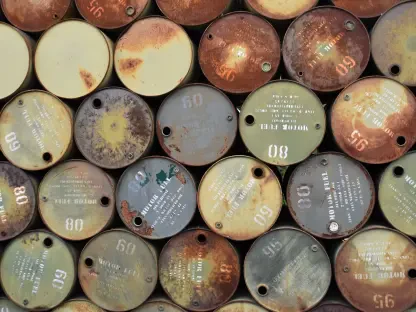
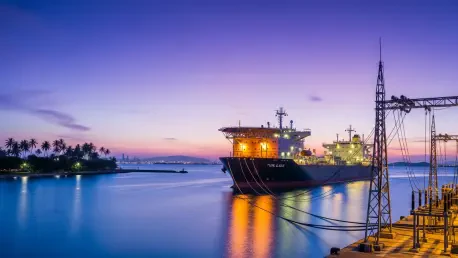
External dependencies continue to dictate the rhythm of Cuban energy production, particularly as the nation remains tethered to volatile international supply chains for heavy crude oil. For years, the government looked toward bilateral agreements with Venezuela and Mexico to sustain its thermal generators, yet shifting political climates and economic pressures in those countries have made these deliveries increasingly unreliable. This uncertainty has forced Cuban authorities to seek unconventional alternatives to supplement the failing onshore grid, most notably through the leasing of floating power plants from Turkish commercial entities. These powerships, anchored in harbors like Havana and Mariel, provide a crucial injection of megawatts that temporarily stabilizes the system during peak demand periods. However, this reliance on external, mobile generation is an expensive endeavor that consumes scarce foreign currency reserves without addressing the fundamental decay within the grid.
The integration of these maritime power units represents a shift toward modularity, but it highlights the deeper inability to modernize the permanent terrestrial network due to financial constraints. Maintenance cycles for the largest plants are frequently deferred, leading to a process where parts from one unit are repurposed to keep another functioning. International partners from Russia and China have offered technical assistance and credit lines for specific overhaul projects, but the results have been hampered by logistical bottlenecks and the persistent impact of the long-standing trade embargo. This environment creates a cycle of reactive repairs rather than proactive development, leaving the population in a state of constant anxiety regarding the reliability of food refrigeration and industrial productivity. Without a massive influx of capital directed toward the wholesale replacement of boiler systems and turbines, the strategy remains a race to prevent a total national collapse.
Diversification Strategies and Future Resilience
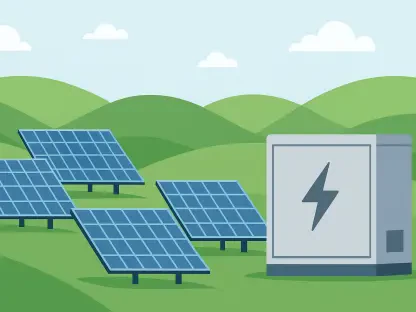
Acknowledging the limitations of fossil-fuel-based systems, the Cuban administration has pivoted toward a more aggressive promotion of renewable energy sources, targeting the installation of over 1,000 megawatts of solar capacity from 2026 to 2028. This transition involves a massive logistics operation involving the deployment of tens of thousands of photovoltaic panels across multiple provinces to create a more decentralized and resilient power structure. By diversifying the energy mix, the goal is to reduce the vulnerability of the entire country to failures at a few centralized hubs. Smaller solar parks are being constructed with the help of foreign investment frameworks that allow for more flexible management of these assets compared to the rigid state-controlled models of the past. These microgrids offer a glimpse into a possible future where rural communities can maintain essential services even when the primary high-voltage transmission lines fail due to weather events or technical malfunctions.
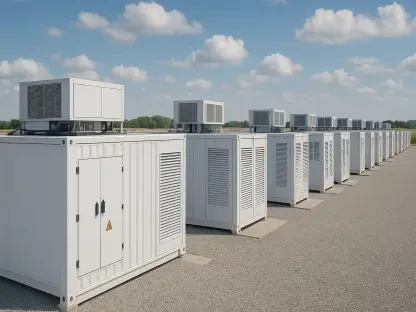
The path forward necessitated a fundamental restructuring of how energy was distributed and managed, prioritizing small-scale efficiency over the monolithic failures of the twentieth-century model. Strategic planners eventually moved toward a hybrid approach that integrated decentralized battery storage with the existing solar infrastructure to mitigate the fluctuations inherent in weather-dependent generation. Authorities also facilitated a modest deregulation of the energy sector, allowing private enterprises to invest in localized cooling and processing facilities that operated independently of the main grid. These steps proved essential for stabilizing the economy and reducing the social tension caused by years of chronic power shortages. While the legacy of the old system lingered, the gradual implementation of these technical and regulatory reforms established a more sustainable framework for national growth. The focus shifted to the creation of a modern energy portfolio that valued long-term durability.