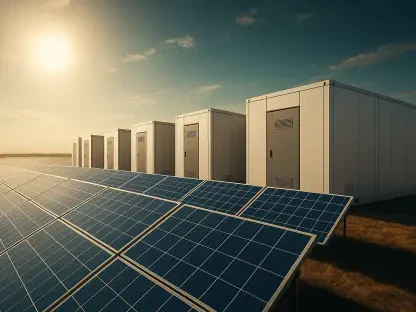

Success for the new energy storage division will be measured by the firm’s ability to convert preliminary agreements into binding commercial orders from state-backed agencies. This pivot represents a fundamental restructuring of the organization’s core identity, moving away from the consumer-facing volatility of the electric vehicle market toward the robust stability of national energy infrastructure. The transition, which is set to be fully unveiled under the new Ola Energy brand, marks a departure from the ostentatious public displays that defined the company’s early years. Instead of focusing on retail expansion alone, the management is now channeling its considerable engineering resources into utility-scale storage solutions designed to withstand the rigors of industrial demand. This strategic realignment is not merely a change in branding but a total recalibration of the business model to prioritize high-margin, long-term contracts. By centering its operations around energy storage, the firm is positioning itself to become a critical component of the renewable energy transition, effectively bridging the gap between generation and consumption on a massive scale.
Corporate Maturation: The Transition to Strategic Digital Communication
The leadership’s decision to move toward a digital-only announcement format for the current launch period signals a profound shift in corporate philosophy. Historically, the firm relied on high-decibel physical events held at the Tamil Nadu Gigafactory to capture the imagination of the public and investors alike. However, the current emphasis on digital communication suggests a newfound focus on capital preservation and engineering substance over marketing theatrics. This pivot allows the management to direct funds that were previously allocated for large-scale logistics and event production back into core research and development. In a landscape where technological differentiation is becoming the primary driver of value, reducing the overhead of corporate spectacles ensures that every dollar spent contributes directly to product refinement. This evolution reflects a growing institutional maturity, as the company seeks to distance itself from its early reputation as a disruptive startup and instead establish itself as a disciplined and focused industrial heavyweight.
Beyond the immediate financial benefits of a streamlined communication strategy, the move indicates a deeper commitment to operational excellence. By minimizing public-facing distractions, the engineering teams are granted the autonomy to focus on the intricate challenges of scaling complex energy systems. This disciplined approach is essential for a firm looking to compete on a global stage where reliability and cost-efficiency are paramount. The reallocation of resources toward R&D is particularly critical as the industry faces increasing pressure to innovate within the battery chemistry space. Furthermore, this strategic silence between major updates fosters an environment of anticipation based on tangible progress rather than speculative hype. By prioritizing execution over exposure, the company is building a foundation of credibility that is necessary to secure the trust of government agencies and large-scale utility providers. The organization is moving past its growth-at-all-costs phase to enter a more sustainable period of focused technological advancement.
Market Penetration: Scaling Industrial Capacity and Operational Stability
While the company’s strategic focus has expanded into the utility sector, it maintains a formidable presence in the domestic market, evidenced by a 97% growth in registrations during mid-2026. This ongoing success in the retail segment provides the necessary financial liquidity to support its more ambitious energy projects. However, the true indicator of its future trajectory lies in its strategic partnership with Axis Energy, which aims to deploy 20 GWh of storage capacity through 2032. This alliance serves as a critical proof-of-concept, demonstrating that the company’s indigenous battery technology is ready for large-scale commercial application. By securing such massive projects, the organization is effectively diversifying its revenue streams and insulating itself from the intense price competition and saturation of the electric scooter market. These high-margin contracts offer a level of predictability that retail sales cannot match, providing a stable backbone for long-term corporate planning. The collaboration also provides the firm with invaluable insights into grid requirements.
The preceding period was defined by the aggressive expansion of the firm’s manufacturing footprint and the conceptual development of its energy storage portfolio. Moving forward, the priority shifted to the rigorous testing of pilot projects to ensure that the integrated systems could handle the stresses of real-world grid management. Engineers prioritized the optimization of energy density within the LFP modules, successfully reducing the physical footprint of storage sites. To ensure long-term success, the company focused on finalizing binding purchase agreements and establishing a robust after-sales service network for utility clients. Developing specialized maintenance teams and software updates for aging battery clusters became a necessary next step to guarantee the multi-decade reliability that grid operators required. Additionally, exploring second-life battery applications for retired EV cells provided an additional layer of sustainability and cost-efficiency to the storage business. By maintaining a focus on production consistency, the firm secured its role in the energy transition.