
Navigating the Global Energy Surge: A New Era for Siemens Energy
The rapid acceleration of global electrification has created an unprecedented strain on existing power systems, forcing industrial leaders to rethink how they scale infrastructure to match a digital-first economy. As nations prioritize both technological integration and carbon reduction, the energy landscape is witnessing a massive transformation. Siemens Energy has emerged as a central figure in this shift, reporting a fiscal period defined by aggressive growth and strategic scaling. The current market environment demands more than just capacity; it requires a sophisticated approach to revitalizing core business segments while adapting to the historical surge in electricity consumption across every continent.
Building on a Legacy of Industrial Innovation
Building on a legacy of industrial innovation allows for a deeper understanding of the present trajectory. Historically, the sector transitioned from a heavy reliance on fossil fuels toward a diversified mix of gas and renewable sources. This evolution was not merely about changing fuels but about preparing for the modern electrification movement. Siemens Energy’s ability to pivot its traditional manufacturing expertise toward the complex requirements of high-tech grids is the result of years of industrial refinement. As the demand for stable power intersects with cleaner energy needs, this historical depth provides the framework to manage massive backlogs and engineering hurdles effectively.
Strategic Growth Drivers in the Modern Power Market
The Gas Services Boom: Powering the Data Revolution
A primary driver of recent success involves the high demand for gas turbines, particularly to support the rapid growth of data centers. With a backlog nearing 70 gigawatts and significant new orders secured recently, the company is moving to close the supply-demand gap. By increasing its medium-sized gas turbine capacity toward 100 units by 2028 and expanding large turbine production, the firm addresses a critical industrial need. These turbines provide the reliable, firm power necessary for artificial intelligence and cloud computing clusters that require uninterrupted service to maintain global connectivity.
Modernizing the Global Grid: Infrastructure for an Electrified Future
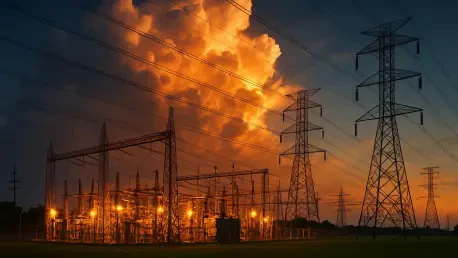
Beyond power generation, the systems that transport electricity face immense pressure to modernize. The Grid Technologies division recently saw a substantial increase in orders, reflecting a worldwide push for more resilient infrastructure. With a backlog of €51 billion in transformers and switchgear, the target is a 50% boost in manufacturing capacity by 2030. Although lead times for this hardware can exceed three years, the addressable market remains vast. This division has shifted from being a supporting component to a primary engine of financial health within the broader energy market.
Wind Energy Resilience: The Recovery of Siemens Gamesa
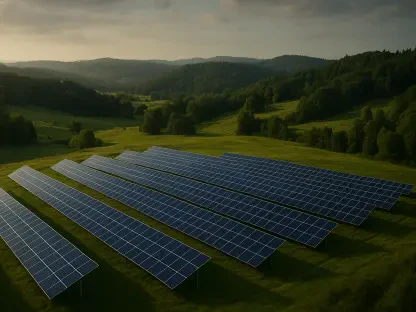
The turnaround of the wind turbine division represents a significant milestone in corporate resilience. After facing years of financial headwinds, the division reported its first profitable results since late 2022, signaling that internal restructuring measures began to stabilize the business. Navigating fierce international competition required a focus on quality and operational efficiency. Furthermore, the transition toward a unified identity under the Omterra brand suggests a move to streamline operations. This shift indicates that the company successfully managed the complexities of the renewable sector while maintaining a competitive edge.
Future Outlook: Scalability, Rebranding, and Global Competitiveness
The transition to the Omterra brand signifies a consolidation intended to optimize performance in a high-stakes market. Future success will likely depend on balancing technological innovations in turbine efficiency with the economic realities of fluctuating material costs. Global trade tensions and supply chain stability will also play a role in how manufacturing scales. Analysts expect that the ability to deliver high-quality hardware at scale will remain the key differentiator for firms competing in a market that could reach 120 gigawatts of annual demand.
Key Takeaways for Stakeholders in the Energy Sector
For investors and policymakers, the persistent rise in power demand is a long-term structural trend rather than a temporary spike. Organizations must prepare for extended hardware lead times by securing supply chains early and identifying reliable partners. The recovery seen in the wind sector demonstrates that strategic restructuring can restore profitability even in volatile markets. Adapting to this environment means acknowledging that the energy transition requires a massive expansion of physical infrastructure to support the innovations of the modern world.
Securing the Power of Tomorrow
Siemens Energy’s expansion efforts confirmed that reliable power remained the bedrock of the global economy. By scaling gas and grid technologies while stabilizing wind operations, the firm navigated a complex era of industrial change. The massive backlogs emphasized that energy infrastructure was a vital pillar of stability during a time of rapid technological advancement. Industrial leaders who prioritized manufacturing capacity effectively met the high electrification requirements of their era. Ultimately, the journey toward a more efficient future relied on securing the physical foundations of power generation and distribution.