
California’s electrical grid is currently navigating a quiet revolution as millions of small-scale batteries tucked away in suburban garages prepare to function as a unified, massive power plant for the first time. Distributed Energy Resources (DERs) are transforming from passive, behind-the-meter assets into critical components of modern grid stability.
As California moves to bridge the gap between retail utility programs and wholesale power markets, the shift from localized curtailment to sophisticated energy orchestration marks a turning point for the global energy transition. This article explores the regulatory shifts, technical frameworks, and market implications of integrating residential batteries and solar into the broader transmission grid.
The Evolution of Distributed Energy Adoption
Market Growth and the 2-Gigawatt Potential
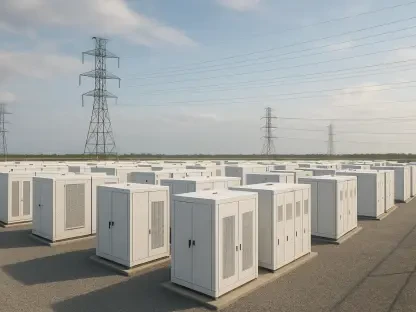
Current data indicates a massive reservoir of untapped energy stored in behind-the-meter (BTM) battery systems across the residential sector. This latent power, often used for simple backup during emergencies, represents a significant opportunity for strengthening grid resilience during peak demand periods.
Projections from advocacy groups like Advanced Energy United suggest that regulatory shifts could unlock over 2 GW of BTM resources for wholesale market participation. Adoption statistics reflect a transition toward resource adequacy, where decentralized storage is prioritized to meet peak demand during extreme weather events. By treating these systems as reliable contributors, operators can significantly reduce the risk of supply shortages.
Transitioning from Passive to Active Grid Assets
Real-world application of the Sub-Load Aggregation Point (Sub-LAP) framework allows CAISO to manage grid stress across more than 20 discrete regions. This granular approach ensures local energy surpluses are directed toward high-demand areas, optimizing existing distribution infrastructure without requiring massive new transmission projects.
Virtual power plants (VPPs) demonstrate how aggregators can now export power until net load reaches zero, bypassing traditional interconnection hurdles. Case studies of utility pilots show how bridging the retail-wholesale gap incentivizes homeowners to utilize storage for more than personal backup. This transition allows for a more flexible and responsive grid architecture that supports statewide reliability.
Expert Perspectives on Regulatory and Technical Integration
Industry thought leaders emphasize that current accounting rules have historically locked out BTM batteries, creating a bottleneck for clean energy deployment. These rules often viewed household exports through an overly simplistic lens that failed to account for their collective impact on the broader transmission network.
Experts highlight the deliverability challenge: the technical necessity of ensuring locally generated power can effectively support the transmission system. Professional consensus suggests that treating DERs as discrete resources—rather than simple load curtailment—is essential for a resilient grid. Regulatory specialists point to the dual-track approach between CAISO and CPUC as a necessary mechanism for long-term valuation and funding.
The Future Landscape of Distributed Energy
The future of DER integration hinges on aligning regulatory timelines, with permanent valuation reforms expected to reach full implementation by early 2027. This coordinated rollout is vital for providing market certainty to developers and technology providers who are currently planning long-term infrastructure and software upgrades.
Potential developments include moving away from the generation interconnection queue for small aggregators, simplifying the path to market for consumer technology. Broader implications suggest a shift toward a decentralized energy ecosystem, reducing reliance on fossil-fuel power plants during heatwaves. Long-term challenges involve maintaining net zero load thresholds while scaling technology to meet ambitious clean energy goals from 2026 to 2030.
Conclusion: Orchestrating a Decentralized Power Grid
The analysis underscored that the technology for a resilient grid already existed in garages and on rooftops; the remaining hurdles were primarily administrative. The convergence of technical frameworks and valuation methodologies represented a pragmatic victory for grid reliability and consumer affordability.
As the state refined these integration models, it set a global precedent for transforming private energy investments into public grid assets. This process necessitated a swift regulatory response that addressed market complexities and technical barriers. Ultimately, the successful orchestration of decentralized power provided a sustainable solution for long-term energy stability and improved reliability across the entire transmission network.