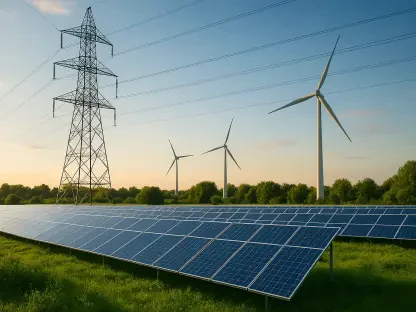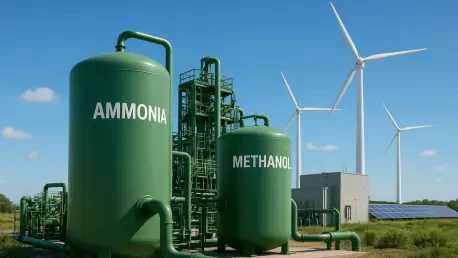

The shipping industry is expected to account for 27.0% of the green molecule application market by 2026 as bunkering needs generate recurring revenue streams. This pivotal shift highlights a transformation in how industrial chemicals are perceived, moving them from the periphery of commerce to the very heart of the global energy transition. As nations strive to meet increasingly stringent climate targets, the focus has shifted toward Power-to-X technologies, where renewable electricity is converted into energy-dense molecules like green ammonia and renewable methanol. These substances act as vital conduits for transporting sun and wind energy across oceans, providing a tangible solution for sectors that cannot be easily electrified. By decoupling industrial growth from carbon-intensive processes, these molecules are laying the groundwork for a resilient, net-zero economy. The transformation is not merely environmental but structural, as traditional supply chains are reconfigured to accommodate the storage and distribution of carbon-neutral feedstocks. In this new landscape, the ability to produce and trade these green molecules defines the competitive edge of entire regions, signaling the dawn of a post-fossil fuel era where molecular energy storage is as critical as the electricity grid itself.
Market Valuation: Scaling Toward a Multi-Billion Dollar Industry
The market for green ammonia and renewable methanol is currently positioned for explosive growth over the next decade, driven by a fundamental change in industrial energy consumption. Starting from a valuation of USD 6.2 billion in 2026, the sector is projected to escalate to USD 33.6 billion by 2036. This represents a compound annual growth rate of 18.4%, signaling a massive shift in how global enterprises prioritize decarbonization. Previously, renewable molecules were the subject of voluntary corporate initiatives and small-scale pilot programs. However, the market has now entered a phase where reducing emissions is a regulatory and operational necessity for global survival and compliance. This rapid expansion is underpinned by significant capital investments in production facilities and the infrastructure required to move these fuels from remote renewable-rich zones to industrial hubs. As costs for electrolyzers continue to fall, the economic viability of these molecules improves, attracting institutional investors who seek long-term stability in the burgeoning green economy.
Regulatory Necessity: From Voluntary Goals to Mandatory Compliance
The transition to green molecules is no longer a matter of corporate preference but is driven by a complex web of international regulations and carbon pricing mechanisms. Governments worldwide are implementing stricter mandates that penalize carbon-intensive operations, forcing industries like heavy manufacturing and long-haul transport to seek cleaner alternatives. This regulatory pressure has created a “recurring purchase” model, particularly in the maritime and agricultural sectors, which ensures long-term stability for producers. Once a vessel or a fertilizer plant converts its operations to utilize renewable feedstock, it generates a steady, predictable demand that remains insulated from the traditional volatility of fossil fuel markets. This shift ensures that the market remains robust even as newer energy technologies continue to emerge, providing a reliable foundation for the next stage of industrial evolution. The move toward mandatory compliance has effectively de-risked the sector, allowing for the massive scaling of production capacity required to meet global demand.
Green AmmoniLeveraging Infrastructure for Immediate Impact
In the current year, green ammonia is expected to command a dominant 61.0% share of the renewable molecule market. Its leadership is primarily attributed to the “plug-and-play” nature of the molecule within existing industrial infrastructure. The global fertilizer industry already possesses vast, sophisticated networks for the storage and transport of ammonia, making the switch from fossil-based versions relatively seamless. Unlike other hydrogen carriers that require entirely new distribution systems, green ammonia can utilize the same tanks, pipelines, and ships that have been in use for decades. This compatibility significantly lowers the barriers to entry for large-scale adoption, allowing chemical giants to decarbonize their operations without the need for a total overhaul of their physical assets. By replacing gray ammonia with green alternatives produced via water electrolysis, the agricultural sector can drastically reduce its carbon footprint while maintaining the yields necessary to feed an increasing global population.
Hydrogen Carriers: Ammonia as the Key to International Trade
Ammonia is increasingly viewed as an ideal hydrogen carrier for international trade due to its superior energy density and ease of handling. Compared to pure hydrogen, which requires extreme cryogenic temperatures for liquefaction, ammonia is significantly easier and cheaper to liquefy and transport over long distances. This makes it a preferred medium for exporting renewable energy from regions with abundant sun and wind to energy-hungry nations with limited land for domestic production. By converting renewable electricity into ammonia, countries can “package” their natural resources for global export. Agricultural giants and heavy industry players can then utilize this imported green ammonia to lower the carbon footprint of their production chains without retooling their entire distribution networks. This strategic advantage has positioned ammonia not just as a chemical feedstock, but as a primary energy commodity that facilitates a more liquid and flexible global market for renewable energy.
Renewable Methanol: Versatility in Liquid Fuel Applications
While green ammonia leads in volume, renewable methanol holds a critical position for applications requiring a liquid fuel that remains stable at ambient temperatures. Often referred to as e-methanol or bio-methanol, this molecule provides a versatile pathway for the chemical industry to move away from petroleum-based inputs. Its primary advantage lies in its high energy density and its ability to be handled using existing liquid fuel infrastructure, such as standard storage tanks and bunkering equipment. Beyond its use as a fuel, renewable methanol serves as an essential feedstock for producing green plastics, solvents, and various other chemical precursors. This versatility ensures that methanol remains a vital component of the net-zero strategy, offering a way to decarbonize complex supply chains that rely on liquid chemicals. As the demand for sustainable consumer goods grows, the role of renewable methanol in the chemical industry is expected to expand, providing a carbon-neutral alternative to traditional petrochemicals.
Internal Combustion Compatibility: Methanol in the Shipping Sector
Renewable methanol has emerged as a frontrunner in the maritime industry due to its compatibility with existing internal combustion engine technologies. Unlike other alternative fuels that may require entirely new propulsion systems, methanol can be used in dual-fuel engines with relatively minor modifications. This has led major shipping lines to deploy vessels that can run on either conventional fuels or green methanol, providing operational flexibility during the transition period. Once these ships enter scheduled service, they require regular refueling at major ports, turning technology adoption into a decade-long revenue stream for methanol producers. The ease of handling methanol, which does not require the same specialized pressurized or refrigerated storage as ammonia or hydrogen, makes it particularly attractive for container ships and smaller commercial vessels. This practical advantage has accelerated the adoption of methanol as a primary marine fuel, driving significant investment in bunkering facilities across the globe.
Electrolysis Technology: The Foundation of Green Production
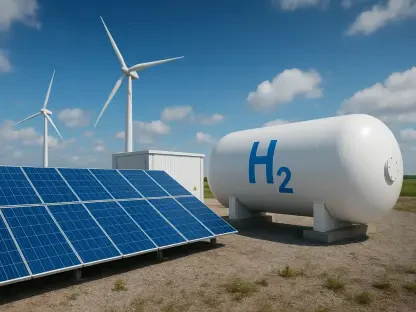
The production of green molecules relies heavily on the scaling of electrolyzer technology and the availability of low-cost renewable power. The process involves using electricity from wind or solar farms to split water into hydrogen and oxygen, with the resulting green hydrogen then being combined with nitrogen or carbon dioxide. The success of this pathway is entirely dependent on the continued decline in the cost of renewable energy and the increasing efficiency of large-scale electrolysis plants. Technological advancements in proton exchange membrane and alkaline electrolyzers have enabled producers to operate more flexibly, allowing them to ramp production up or down based on the availability of renewable power. This integration is essential for creating a cost-competitive product that can eventually reach parity with fossil-fuel-based alternatives. As the industry scales, the focus is shifting toward maximizing the utilization rates of these plants to ensure a steady supply of green molecules for the global market.
Carbon Sourcing: The Importance of Biogenic Carbon for Methanol
For methanol to be classified as truly renewable, the carbon source used in its production must be atmospheric or biogenic rather than fossil-derived. This requirement has led to the development of a circular carbon economy where emissions from industrial processes or biomass gasification are captured and repurposed into high-value liquid fuels. Biogenic carbon dioxide, often sourced from ethanol plants or municipal waste facilities, provides a sustainable carbon stream that does not add new carbon to the atmosphere when the fuel is eventually burned. This approach creates a closed-loop system that is essential for achieving long-term climate goals. The logistics of sourcing and transporting this carbon are becoming a major focus for methanol producers, who must ensure that their feedstocks meet strict sustainability criteria to qualify for green premiums. This focus on carbon provenance is a defining characteristic of the renewable methanol market, distinguishing it from traditional chemical manufacturing.
Thermochemical Pathways: Gasification of Biomass and Waste
Thermochemical routes, such as the gasification of sustainable biomass and municipal solid waste, offer an alternative pathway for producing renewable molecules. While these methods are technically mature, they face significant logistical challenges regarding the collection and consistency of feedstock. Nevertheless, they provide a vital waste-to-energy solution for many urbanized regions, turning discarded materials into valuable energy carriers. By gasifying biomass, producers can create a synthesis gas that is subsequently processed into methanol or ammonia. This method is particularly useful in regions where renewable electricity is less abundant but organic waste streams are plentiful. These facilities also help to reduce the amount of waste sent to landfills, providing an additional environmental benefit beyond carbon reduction. As waste management technologies improve, the integration of gasification into the green molecule supply chain is expected to play an increasingly important role in localized energy production.
Maritime Decarbonization: The Pressure for Rapid Emission Cuts
The shipping industry is under intense pressure from international bodies to reduce greenhouse gas emissions rapidly, leading to a surge in demand for carbon-neutral fuels. This sector is particularly hard to abate through simple electrification because of the immense power requirements and the long durations of international voyages. Green ammonia and renewable methanol have emerged as the most viable solutions for meeting these stringent targets. Marine fuel demand is expected to be a primary driver of market growth, as shipping companies look to future-proof their fleets against upcoming carbon taxes and environmental regulations. The transition is being led by early adopters who are investing in “green corridors” where bunkering infrastructure is prioritized at key ports. These initiatives are essential for creating the scale necessary to bring down the cost of green fuels, making them accessible to the broader maritime community.
Agricultural Transformation: Decarbonizing the Food Supply Chain
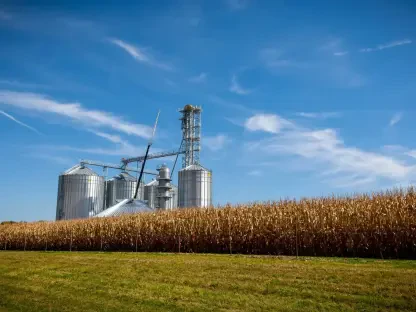
Agriculture remains the largest traditional consumer of ammonia, and the shift toward green variants is being driven by the emergence of “green premiums.” Food retailers and consumers are increasingly willing to pay more for crops grown with low-carbon fertilizers, providing an economic incentive for farmers to adopt sustainable practices. This sector provides the massive volume and scale necessary to drive down production costs for green ammonia through economies of scale. Major fertilizer producers are already converting portions of their production capacity to green ammonia to meet this rising demand. By decarbonizing the production of nitrogen-based fertilizers, the industry can significantly reduce the overall environmental impact of global food systems. This transition is also supported by government subsidies aimed at improving soil health and reducing the carbon intensity of farming, further accelerating the adoption of green molecules in the rural economy.
Middle Eastern Ambitions: Saudi Arabia as a Global Export Hub
The geography of the green molecule market is increasingly defined by the emergence of resource-rich exporters, with Saudi Arabia positioning itself as a global leader. By leveraging its immense solar and wind resources, the kingdom is developing massive projects like NEOM, which integrate renewable generation with large-scale ammonia synthesis. These facilities are designed from the ground up to produce carbon-free products for the international market, taking advantage of low-cost land and high-capacity factors for renewable energy. Saudi Arabia’s strategic location between Europe and Asia also allows it to serve as a primary energy hub, exporting green molecules to industrial centers across both continents. This strategy represents a significant shift for the region as it seeks to diversify its economy away from oil and gas while maintaining its status as a dominant global energy provider. The scale of these investments signals a long-term commitment to the hydrogen economy.
Australian Innovation: Clean Energy Precincts and Infrastructure
Australia is adopting a strategy focused on integrating renewable hydrogen into existing industrial clusters to create dedicated clean energy precincts. These precincts allow for shared infrastructure, such as pipelines and storage facilities, which significantly reduces the per-unit cost of producing and exporting green ammonia. By utilizing its vast landmass and abundant renewable resources, Australia aims to become a premier energy exporter to the Asia-Pacific region. The development of these clusters also supports domestic industry by providing a steady supply of low-carbon feedstocks for chemical manufacturing and mining. This integrated approach helps to stabilize the local energy grid by providing a large-scale sink for excess renewable power during periods of high production. The creation of specialized export hubs is a key component of Australia’s national hydrogen strategy, ensuring the country remains competitive in a rapidly evolving global energy market.
Importer Strategies: Developing Infrastructure in Germany and Japan
In contrast to the exporters, industrial nations like Germany and Japan are focusing on infrastructure development and “import qualification” to support their transition to green molecules. As major energy consumers with limited land for massive renewable arrays, these countries must rely on imported energy to meet their net-zero targets. They are currently developing the specialized bunkering and port facilities necessary to receive, store, and distribute large quantities of green ammonia and methanol. These investments are accompanied by the establishment of international supply chains and long-term procurement agreements with producing nations. By securing a reliable supply of green molecules, these countries aim to maintain their industrial competitiveness while fulfilling their climate commitments. The focus is on creating a seamless transition from fossil-based imports to renewable alternatives, ensuring energy security and economic stability in a decarbonized world.
Financing Models: Long-Term Contracts and Revenue Visibility
The capital-intensive nature of green molecule projects requires innovative financing and sales structures to attract the necessary investment. The “Long-term Contract” model has emerged as the leading approach, as lenders typically require significant revenue visibility before financing multi-billion-dollar production facilities. These contracts bridge the gap between high initial costs and long-term climate goals, providing certainty for both producers and off-takers. By securing long-term agreements, project developers can obtain better financing terms, which in turn helps to lower the final price of the green molecules. This model is particularly effective in the maritime and industrial sectors, where companies require a guaranteed supply of fuel to operate their assets. As the market matures, these contracts are becoming increasingly standardized, facilitating a more efficient allocation of capital and accelerating the deployment of new production capacity.
Vertical Integration: Shipowners Moving Upstream in the Supply Chain
A significant trend in the market is the rise of joint ventures and vertical integration, where end-users like major shipping firms move “upstream” to invest directly in production facilities. This strategy allows them to secure a future fuel supply as regulations tighten and competition for green molecules increases. By participating in the production side of the business, these firms can gain better control over their fuel costs and ensure that the molecules they use meet their specific sustainability standards. This move toward vertical integration also helps to distribute the financial risk of new projects between the producer and the consumer. It fosters a more collaborative approach to decarbonization, where the entire value chain is aligned toward a common goal. This trend is expected to continue as the global demand for green molecules outpaces current production capacity, making supply security a top priority for large-scale energy consumers.
Grid Stabilization: Production Plants as Industrial Buffers
Production plants for green ammonia and methanol are beginning to act as vital “grid buffers,” helping to stabilize the broader electricity grid. By ramping up production when renewable energy is abundant and prices are low, these facilities provide a flexible load that can absorb excess power that would otherwise be wasted. Conversely, they can scale back operations during periods of peak demand or low renewable generation, reducing the strain on the electricity network. This integration is essential for managing the inherent intermittency of wind and solar power, making the overall energy system more resilient. The ability of Power-to-X facilities to provide grid services adds an additional layer of value to these projects, improving their overall economic viability. As more renewable energy is added to the grid, the role of these plants as flexible energy sinks will become increasingly important for maintaining a stable and reliable power supply.
Future Path: Transitioning to Standardized Global Commodities
The industry successfully transitioned to a model where price stability was achieved through the standardization of products and contracts. Policy frameworks matured to support international trade, and the integration of green molecules into the global economy moved from a niche experiment to a foundational reality. The focus shifted toward optimizing the entire lifecycle of these fuels, ensuring that every step from production to final use adhered to the highest environmental standards. This maturation allowed the maritime and agricultural sectors to operate with greater confidence, knowing that a steady supply of carbon-neutral feedstocks was available to meet their needs. The global community recognized that these molecules were not just alternatives to fossil fuels but were the essential building blocks of a new, sustainable industrial era. These advancements secured a more sustainable path for hard-to-abate sectors, ensuring that economic growth could finally be decoupled from environmental degradation.