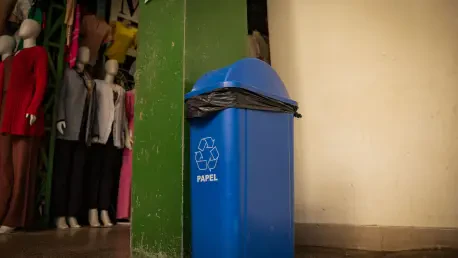

As urban areas grapple with the mounting pressures of environmental sustainability and waste reduction, local authorities are looking toward more sophisticated methods of resource recovery. The shift to a separated recycling model requires households to use color-coded sacks for different materials to ensure higher quality and easier processing of recyclate. This initiative, scheduled for rollout in November 2026, marks a pivotal moment for Carmarthenshire as it moves away from the longstanding mixed recycling system. By transitioning to a more granular sorting process, the county aims to transform the way waste is viewed, treating it as a valuable commodity rather than a burden. This change is not merely a local administrative update but a fundamental realignment with national goals designed to minimize the carbon footprint of waste management operations. Approximately one-third of the households will lead this transition, serving as a blueprint for the eventual region-wide adoption of these high-efficiency practices across the entire county.
Strategic Goals and Service Expansion
Aligning with National Standards: The Collections Blueprint
The decision to implement the “Separated Recycling” service is a deliberate move to harmonize local efforts with the Welsh Government’s Collections Blueprint. This policy framework serves as a gold standard for waste collection, promoting a uniform approach across all 22 local authorities in Wales to maximize the volume and purity of recovered materials. By becoming the 19th authority to adopt this model, Carmarthenshire is positioning itself as a participant in a nationwide effort to create a circular economy.
The blueprint emphasizes the importance of source-separated collections, which significantly reduces the presence of non-recyclable contaminants that often degrade the quality of mixed batches. This strategic alignment ensures that the materials collected from Carmarthenshire doorsteps can be funneled directly into high-value manufacturing processes. This initiative shields taxpayers from the threat of substantial financial penalties, which are imposed on local authorities that fail to meet stringent national recycling targets, ensuring long-term fiscal stability.
Expanding Recyclable Items: New Materials and Equipment
Under the new service, residents will be able to recycle items previously excluded from curbside pickup, such as household batteries and plastic wrapping. To facilitate this, the council will provide color-coded sacks and continued supplies of food waste liners. These new tools are essential for the granular sorting required to maintain the value of the recyclate. The introduction of specialized collection streams for these materials reflects a commitment to tackling modern waste challenges such as the rising volume of single-use packaging and electronic waste.
For households not included in the first phase of the rollout, the traditional blue bag system will remain in place temporarily to ensure consistent waste disposal options for everyone during the transition. This period of dual-system operation allows the council to manage the distribution of new equipment and the retraining of collection crews without overwhelming the existing logistics. By maintaining the availability of blue bags and caddy liners, the council ensures that no resident is left without the means to dispose of waste responsibly as the program slowly expands.
Operational Logistics and Resident Support
Managing Schedule Adjustments: The Logistics of Transition
The logistical complexity of shifting to a separated recycling model necessitates a complete review of collection routes across the entire county. Consequently, residents should prepare for changes to their scheduled pickup days, even if their specific neighborhood is not part of the initial phase of the new service. This county-wide overhaul is required to optimize vehicle movements and ensure that the various collection streams are managed efficiently. While the policy of collecting three black bags every three weeks remains, the timing will be adjusted.
Recognizing that the schedule shift could lead to a temporary extension of the waiting period between refuse collections, the council has developed a strategy to support affected households. In instances where the gap results in a period longer than three weeks for black bag pickups, teams will be deployed to provide one-off extra collections. This measure prevents the buildup of refuse and alleviates concerns during the first few weeks of the new system. Affected households will receive specific notification regarding these arrangements to ensure a smooth service experience.
Proactive Communication: Guiding the Community Through Change
Successful implementation relies on clear communication, spearheaded by a multi-stage notification process that includes letters, educational booklets, and “what goes where” guides. A multi-stage campaign has already been initiated, beginning with preliminary letters sent during the summer. As the November start date approaches, residents will receive information packs specifying their new collection dates and sorting requirements. These resources are designed to reduce the learning curve associated with the new system, fostering a sense of shared responsibility.
The council has also introduced digital tools, such as an online postcode checker and text message reminders, to help residents adapt. An interactive online tool allows residents to instantly verify their new collection dates and track the delivery of their recycling equipment. Furthermore, the council introduced a notification service where residents can sign up for free email or text message alerts for timely reminders. These digital resources minimize confusion and ensure that the community is well-prepared for the new requirements by the autumn season, driving higher participation.
Future Outlook and Strategic Outcomes
The transition to the new waste management system in Carmarthenshire marked a successful pivot toward a circular economy and enhanced resource efficiency. By prioritizing source separation, the council effectively improved the quality of recovered materials and ensured compliance with national environmental standards. The initiative demonstrated that proactive communication and logistical flexibility were key components in managing large-scale infrastructure changes. This collective effort not only protected the local government from financial penalties but also established a higher standard for sustainability within the region.
Looking forward, the data collected during this initial phase provided valuable insights for the next steps in expanding the service to the remaining households. Residents were encouraged to continue using the digital support tools to stay informed about future updates. This project set a new benchmark for municipal waste services, proving that strategic planning and community engagement could lead to meaningful ecological improvements while maintaining fiscal responsibility for all taxpayers. The success of the rollout confirmed that localized efforts are essential to meeting broader national climate goals and fostering long-term environmental stewardship.